




Do You Need a Permit to Renovate in Vancouver? A Room-by-Room Breakdown (2026)
One of the most common questions Vancouver homeowners ask before starting a renovation is simple: do I need a permit to renovate in Vancouver? The answer depends entirely on what you are changing, where you are changing it, and how significant the work is. Get it wrong, and you could face stop-work orders, fines, a notice registered against your title, or a failed home sale years down the road.
This guide cuts through the confusion with a room-by-room breakdown of what triggers a permit requirement in the City of Vancouver in 2026. Whether you are planning a kitchen gut renovation, adding a secondary suite in your basement, or simply swapping out light fixtures, you will find the answer here.
Already planning your project? Start with our Vancouver Renovation Guide for a complete overview of the process from budget to build.
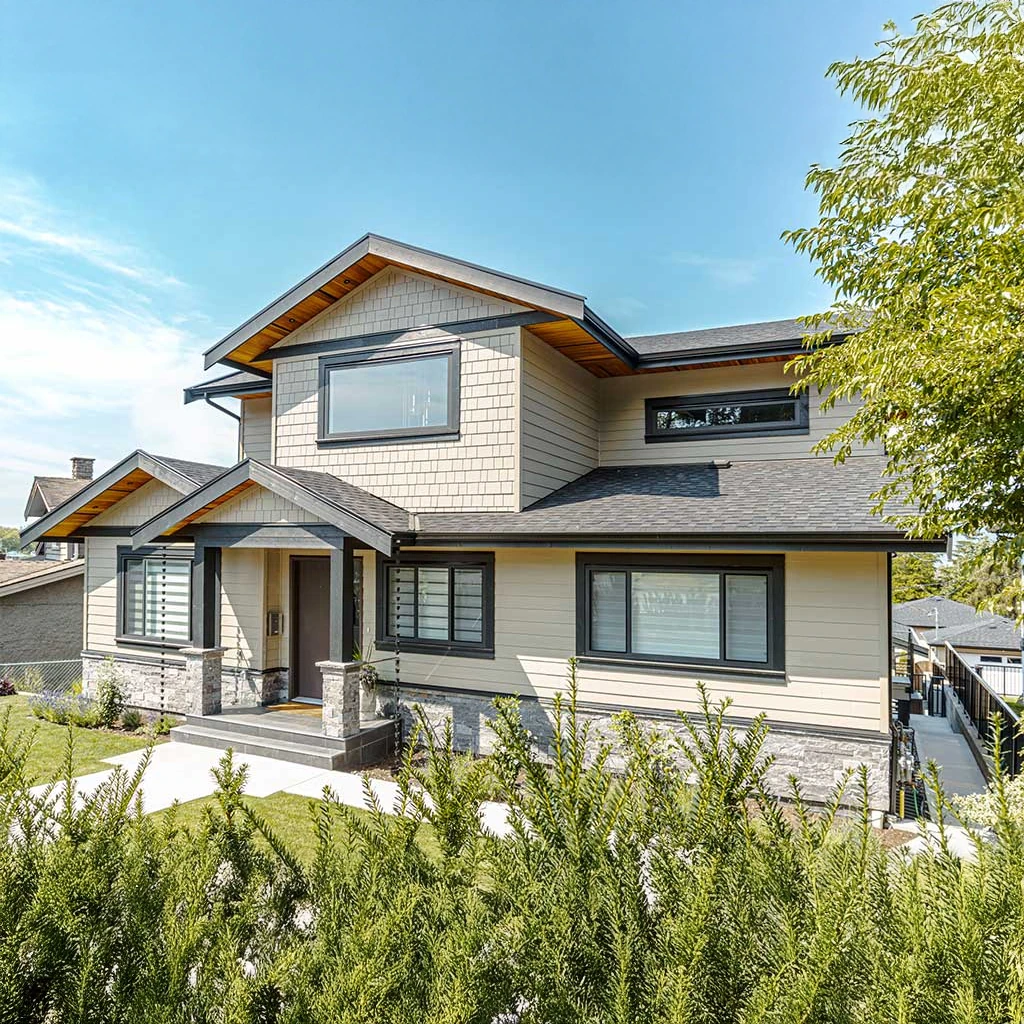 Home addition renovation in Metro Vancouver” class=”wp-image-12760″ />
Two exterior projects that have become extremely common in Vancouver merit extra attention
Vancouver General Contractors
The Simple Rule for Vancouver Building Permits
Before diving into the room-by-room tables, it helps to understand the underlying logic. Vancouver’s permit system is governed by two primary frameworks: the BC Building Code, which sets minimum safety standards for construction province-wide, and the City of Vancouver Zoning and Development By-law, which controls how properties can be used and what can be built on them. Permits exist where safety or land use is at stake — not as a bureaucratic hurdle, but as a mechanism to ensure that licensed trades perform the work, that inspectors verify it meets code, and that future owners and insurers know what they are inheriting.
Permits Are Generally Required When You Are:
- Changing or removing structural elements (walls, beams, columns, foundations)
- Adding, moving, or extending plumbing (new drain lines, supply lines, fixtures in new locations)
- Adding new electrical circuits, sub-panels, or service upgrades
- Adding a new room, dwelling unit, or secondary suite
- Changing the building envelope (windows, doors, siding, roofline)
- Installing or replacing gas appliances or gas lines
- Adding mechanical systems such as HVAC, heat pumps, or HRVs
Permits Are Generally NOT Required When You Are:
- Painting interior or exterior surfaces (with exceptions in heritage areas)
- Replacing flooring like-for-like (hardwood, LVP, tile, carpet)
- Replacing cabinet doors or fronts without altering the structure
- Swapping a light fixture on an existing circuit with no new wiring
- Replacing a toilet, vanity, or tub fixture at the same location
- Installing countertops or backsplash (purely cosmetic)
- Replacing windows at the same rough opening size
The guiding principle is straightforward: when in doubt, pull the permit. Unpermitted work creates real liability. It can void your home insurance when you need it most, surface as a problem on title during a sale, and cost far more to remediate retroactively than it would have cost to permit the work upfront. The City of Vancouver’s online permit finder at vancouver.ca lets you search by permit type and scope to confirm requirements for your specific project before you begin.
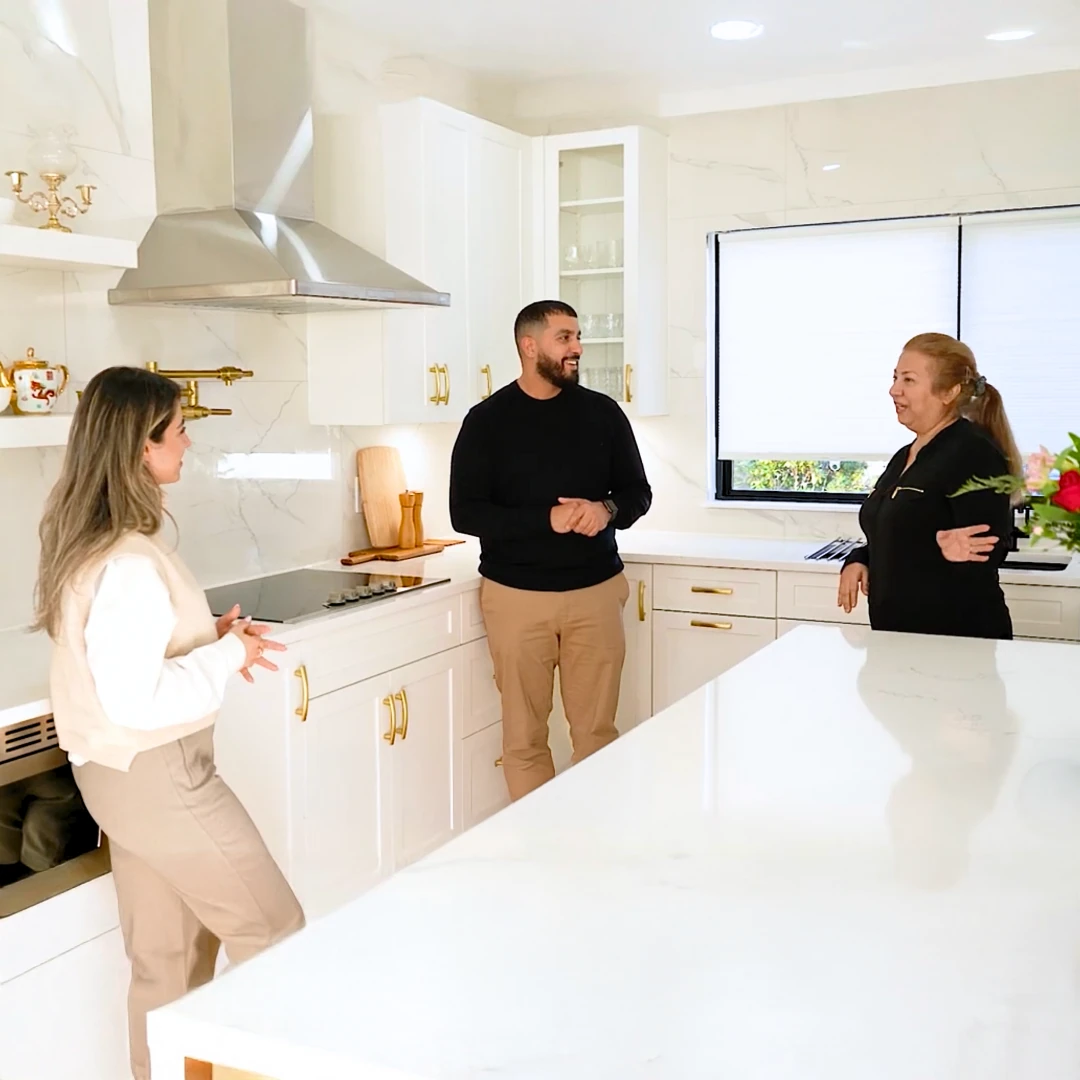
Kitchen Renovation: What Needs a Permit?
Kitchen renovations range from swapping cabinet hardware to full gut-and-rebuild projects that touch plumbing, gas, structural, and electrical systems simultaneously. The scope of your kitchen renovation determines exactly which permits apply.
| Task | Permit Required? | Notes |
|---|---|---|
| Replace cabinet doors or fronts | No | Like-for-like, no structural change |
| Replace countertops | No | Cosmetic work |
| New backsplash | No | Cosmetic work |
| Replace appliances | No | Plug-in appliances only |
| Gas range installation or conversion | Yes | Gas permit via Technical Safety BC / licensed gas fitter |
| New gas line | Yes | Gas permit + building permit |
| Remove or alter wall between kitchen and living room | Yes | Structural permit required; engineer may be needed |
| Move kitchen sink to a new location | Yes | Plumbing permit; drain relocation required |
| Add kitchen island with electrical outlets | Yes | Electrical permit for new circuit |
| Add over-range microwave with new exterior venting | Sometimes | If cutting new vent penetration through exterior wall: building permit |
| Add pot filler | Yes | Plumbing permit; in-wall supply line required |
| Upgrade electrical panel for new kitchen circuits | Yes | Electrical permit; often involves service upgrade |
A full kitchen renovation typically requires three separate permits: a building permit (if structural walls are altered), an electrical permit (for new circuits, island outlets, under-cabinet lighting), and a gas permit if you are installing or moving a gas range or adding a gas line to the island. Each permit has its own inspection stage. A qualified general contractor will coordinate all three permit types and schedule inspections so your project does not stall waiting on one trade while another is idle.
Bathroom Renovation: What Needs a Permit?
Bathrooms are the room where permit questions come up most frequently, largely because so much of the work involves plumbing and electrical in a wet environment — a combination that the BC Building Code treats with particular care for safety reasons.
| Task | Permit Required? | Notes |
|---|---|---|
| Replace toilet | No | Like-for-like at same location |
| Replace vanity | No | Same plumbing connections, no relocation |
| Replace tub or shower fixtures | No | No new rough-in required |
| Retile shower or floor | No | Cosmetic; existing waterproofing assumed intact |
| Install new exhaust fan | Sometimes | New wiring = electrical permit; new exterior penetration = building permit |
| Move shower to a new location | Yes | Plumbing permit; drain rough-in relocated |
| Add a new bathroom | Yes | Plumbing + building permit; potentially electrical |
| Convert tub to walk-in shower (same footprint) | No | Same drain location, same footprint — cosmetic conversion |
| Add in-floor radiant heating | Yes | Electrical permit; new 240V dedicated circuit required |
| Steam shower installation | Yes | Mechanical + building permit; waterproofing and ventilation requirements |
| Expand bathroom into adjacent space | Yes | Building permit (structural); plumbing if drain relocated |
| Add master ensuite | Yes | Building + plumbing + electrical permits |
The most common permit mistake in bathroom renovations is assuming that a tub-to-shower conversion or an exhaust fan swap is permit-free. In many cases it is — but the moment new wiring is run or a new penetration is cut through the building envelope, a permit is required. A licensed electrician pulling an electrical permit is not an obstacle; it is the mechanism that ensures your exhaust fan vents to the exterior properly and your heated floor circuit is protected with a GFCI breaker before the tile goes down over it.
Basement Renovation: What Needs a Permit?
Basement renovations in Vancouver generate more permit questions than almost any other project type. This is partly because basement finishing is so often done informally — previous owners may have framed walls and added a bathroom without permits — and partly because the stakes are high. A basement suite is a legal, habitable dwelling unit, and it must meet fire separation, egress, and ventilation requirements that only a permitted project can verify.
| Task | Permit Required? | Notes |
|---|---|---|
| Frame interior walls | Yes | Building permit even for non-load-bearing interior partitions |
| Install drywall | No — unless new walls | Replacing existing drywall: no; finishing framed walls: permit already required for framing |
| Add pot lights | Yes | Electrical permit for new wiring and fixtures |
| Add a bathroom | Yes | Plumbing + building permit |
| Add a secondary suite | Yes | Building permit + secondary suite permit; fire separation and egress requirements apply |
| Add egress windows | Yes | Building permit; minimum opening size requirements under BC Building Code |
| Install subfloor or insulation (no framing) | No | Floating subfloor or rigid insulation without new walls: cosmetic |
| Install new HVAC zone | Yes | Mechanical permit |
| Install separate electrical sub-panel | Yes | Electrical permit |
| Add a bedroom (enclose a room) | Yes | Building permit; egress window of minimum size required for sleeping rooms |
One point that surprises many homeowners: framing interior walls in a basement requires a building permit even if the walls are non-load-bearing. The City of Vancouver takes this position because once walls are framed and drywalled, inspectors cannot verify what is inside them — whether fire blocking is present, whether electrical is properly run, whether insulation meets thermal requirements. A permit and inspection before drywalling closes up the walls is the only way to establish a documented record.
Secondary suite work is in a category of its own. Vancouver has specific secondary suite regulations under the Zoning and Development By-law that govern ceiling height (minimum 1.95m), fire separation (typically 45-minute between suite and main dwelling), egress, and ventilation. If your basement suite was built without permits, the City may require full remediation before issuing a retroactive permit — meaning walls opened, inspections completed, and any deficiencies corrected.
Living Room and Main Floor: What Needs a Permit?
Main floor living areas are where the most common renovation is the open-concept wall removal — and that is also where the most common permit mistake is made. Removing a wall without a permit, particularly a load-bearing wall, is one of the most dangerous things a homeowner can do to their home. Even a non-load-bearing wall may conceal electrical, plumbing, or HVAC runs that need to be properly relocated.
| Task | Permit Required? | Notes |
|---|---|---|
| Painting (interior) | No | |
| New flooring | No | Hardwood, LVP, carpet — all cosmetic |
| Replace light fixtures (same circuit) | No | Fixture swap with no new wiring |
| Open concept wall removal | Yes | Structural + building permit; engineer’s drawings typically required for load-bearing walls |
| Add electrical outlets (new circuit) | Yes | Electrical permit |
| Install gas fireplace (new installation) | Yes | Gas permit + building permit for venting penetration |
| Replace gas fireplace insert (gas-to-gas) | Yes | Gas permit; Technical Safety BC inspection |
| Convert wood-burning fireplace to gas | Yes | Gas permit + building permit |
| Install pot lights (new wiring) | Yes | Electrical permit |
| Install ceiling fan (new wiring or new box) | Yes | Electrical permit |
| Refinish hardwood floors | No | |
| Replace windows (like-for-like opening size) | No | Same rough opening, same configuration |
| Enlarge a window opening | Yes | Building permit; structural alteration to framing required |
The gas fireplace category deserves special mention. In Vancouver, all gas work — including fireplace inserts, gas range connections, and gas line extensions — falls under Technical Safety BC jurisdiction and must be performed by a licensed gas contractor. The gas permit and inspection are separate from the City of Vancouver building permit, though both may be required for the same project. Do not assume that because your contractor is licensed that the permit was pulled — always ask for a copy of the permit and the final inspection sign-off.
Bedroom Renovation: What Needs a Permit?
Bedroom renovations are typically straightforward from a permit perspective — most cosmetic changes require nothing. The exceptions arise around egress windows (a critical life-safety issue for sleeping rooms), wall modifications, and electrical work.
| Task | Permit Required? | Notes |
|---|---|---|
| Painting, new flooring | No | |
| Add closet organizer | No | Pre-built or built-in at same location: no structural change |
| Convert bedroom to walk-in closet | No — usually | If walls are being moved: building permit required |
| Add egress window (correct minimum size) | Yes | Building permit; minimum 0.35m² clear opening, min 380mm height and width under BC Building Code |
| Enlarge a window opening | Yes | Building permit; structural framing alteration |
| Add ceiling fan (new electrical box or new wiring) | Yes | Electrical permit |
| Add bedroom in basement | Yes | Building permit + egress window required for sleeping room |
| Create new bedroom by splitting existing room | Yes | Building permit; new walls, possibly new electrical circuit |
Egress window requirements are non-negotiable for sleeping rooms. Under the BC Building Code, a bedroom window must provide a clear opening of at least 0.35 square metres, with a minimum clear height of 380mm and minimum clear width of 380mm. This is a life-safety requirement — in a fire, the window is your secondary exit. Any bedroom that lacks a compliant egress window and is located in a basement cannot legally be called a bedroom, and a property that has been marketed or rented with such a room as a bedroom creates liability for the seller.
Exterior Renovations: What Needs a Permit?
Exterior work in Vancouver ranges from no-permit-required repainting to full building permit processes for decks, fences, garages, and laneway houses. The key variables are whether the work changes the building envelope, alters the structure, or involves new utilities.
| Task | Permit Required? | Notes |
|---|---|---|
| Exterior painting | No | Heritage areas: check character overlay rules before changing colour |
| Replace siding (like-for-like material) | No | Same material, same configuration |
| Change siding type or material | Sometimes | If altering building envelope assembly: building permit |
| Re-roof (same material and pitch) | No | Like-for-like replacement |
| Change roof pitch or add dormers | Yes | Building permit; potentially development permit for envelope change |
| Add deck (less than 600mm above grade) | No | Low-level deck or patio |
| Add deck (more than 600mm above grade) | Yes | Building permit; guardrail requirements apply |
| Build fence over 1.2m in height | Yes | Building permit in City of Vancouver; height limits vary by zone and location on lot |
| Add detached garage or carport | Yes | Building permit; zoning setback and FSR rules apply |
| Add laneway house | Yes | Full building permit + development permit; laneway housing design guidelines apply |
| Install rooftop solar panels | Yes | Electrical permit; structural review may be required for roof loading |
| Add EV charger (Level 2) | Yes | Electrical permit; dedicated 240V circuit required |
| Hot tub installation | Yes | Building + electrical permit; setback and fence/barrier requirements |
| Swimming pool | Yes | Building permit; fencing requirements under BC Building Code and City by-law |
Two exterior projects that have become extremely common in Vancouver merit extra attention. Laneway houses (also called coach houses or garden suites) require a full building permit and must comply with Vancouver’s Laneway House Design Guidelines, including height limits, setbacks, maximum floor area, and the requirement for a separate entrance. Processing times for laneway house permits can be significant — budget for four to six months in the permitting phase alone for complex projects.
EV charger installations have surged with electric vehicle adoption, and many homeowners are surprised to learn they require an electrical permit even though the work seems straightforward. The City of Vancouver requires a permit for any new 240V circuit, and the permit includes an electrical inspection to verify the panel has adequate capacity, the wiring gauge is correct, and the outdoor outlet is weatherproof and properly protected.
HVAC and Mechanical: What Needs a Permit?
Mechanical systems are almost universally permit-required in Vancouver. The overlap between gas, electrical, and mechanical trades means that HVAC work frequently triggers multiple permit types simultaneously. A licensed mechanical contractor or HVAC company will handle permit applications as a matter of course — but it is worth understanding what is involved so you can verify the work is being done correctly.
| Task | Permit Required? | Notes |
|---|---|---|
| Replace furnace (like-for-like) | Yes | Mechanical permit via Technical Safety BC / licensed contractor |
| Add central air conditioning | Yes | Electrical permit + gas permit if gas-assisted; refrigerant handling requires certified technician |
| Install heat pump | Yes | Electrical + mechanical permit; rebates available via BC Hydro and CleanBC |
| Install ductless mini-split | Yes | Electrical + mechanical permit; refrigerant requires certified technician |
| Replace water heater (tank-style, like-for-like) | Yes | Plumbing permit; gas or electrical depending on fuel type |
| Install on-demand (tankless) water heater | Yes | Plumbing permit + gas or electrical permit; may require upgraded gas line or panel circuit |
| Add Heat Recovery Ventilator (HRV) | Yes | Mechanical permit; increasingly required in new and substantially renovated homes |
| Upgrade to 200-amp electrical service | Yes | Electrical permit; BC Hydro notification required; licensed electrician only |
With the City of Vancouver’s CleanBC goals and the BC Step Code pushing toward electrification, heat pump installations and electrical service upgrades have become among the most common HVAC projects in Vancouver. The good news is that permits for heat pumps and service upgrades are well-understood by the trades that do this work daily, and rebate programs through BC Hydro and CleanBC often cover a significant portion of the cost. Your contractor should be factoring permit costs and timelines into any heat pump or electrification quote.
Vancouver’s Heritage and Character Overlay Rules
Vancouver has a significant inventory of older homes, and many of them fall under one of several heritage or character protection frameworks that add a layer of review on top of standard permit requirements. Understanding where your home sits in this system can save you a very expensive surprise mid-project.
Character House Overlay
Homes built before 1940 in many Vancouver neighbourhoods — including Kitsilano, Mount Pleasant, Grandview-Woodland, Hastings-Sunrise, and Dunbar — are subject to the Character House Overlay. This designation does not freeze the interior of your home. Interior renovations — kitchen gut, bathroom addition, basement suite — proceed under standard permits with no additional character review. What the overlay controls is the exterior character-defining features: original wood windows, porch details, decorative brackets, dormers, and the roofline profile.
If your project involves any exterior changes on a character house, those changes must preserve or faithfully replicate the original character features. Replacing wood windows with vinyl windows of a different profile, removing a porch, or changing the roofline will trigger a character house design review as part of the permit process. This does not necessarily prevent the change — it requires that the change be sympathetic to the original character.
Shaughnessy Heritage Conservation Area
The Shaughnessy neighbourhood operates under the strictest heritage protection framework in Vancouver. The Shaughnessy Heritage Conservation Area requires Heritage Commission review for virtually all exterior changes, including alterations to windows, siding, roofing materials, landscaping features visible from the street, and additions. Interior renovations are generally exempt from heritage review, but any exterior alteration — even re-roofing with a different material — requires Heritage staff approval before a building permit is issued.
Designated Heritage Buildings
Properties with a formal heritage designation on title face the most restrictive requirements of all. Heritage designation is a registered covenant on title and applies to specific buildings, not just areas. Designated heritage buildings require Heritage Commission approval for exterior changes, and in some cases for interior changes that affect character-defining interior features. The City of Vancouver offers heritage density bonusing and other compensation mechanisms for owners who maintain designated buildings.
How to Check Your Property’s Status
Before planning any exterior renovation in Vancouver, visit vancouver.ca and use the “Find regulations for your property” tool. Enter your address and the system will return your zoning designation, any overlays that apply, and links to the relevant by-laws. This step takes five minutes and can prevent a redesign that costs five thousand dollars.
What Happens If You Renovate Without a Permit?
This is the section that homeowners who “just want to get the work done” need to read carefully. The consequences of unpermitted work in Vancouver are real, they are significant, and they have a long tail.
Stop Work Order
If a City of Vancouver inspector becomes aware of unpermitted construction — whether through a neighbor complaint, a visible exterior change, or a routine inspection of an adjacent project — they can issue a Stop Work Order on the spot. All construction halts immediately. No further work can proceed until the order is resolved, which typically means either obtaining a permit retroactively or removing the unpermitted work.
Order to Comply
Following a Stop Work Order or an independent inspection finding, the City typically issues an Order to Comply with a deadline — often 30 days — to either obtain a retroactive permit and pass inspections, or to remove the unpermitted work and restore the property to its pre-construction state. The clock starts ticking on the day the order is issued.
Fines
Under the Vancouver Charter and the City’s by-laws, fines for continuing to work in violation of a Stop Work Order or for failing to comply with an Order to Comply can reach up to $10,000 per day. These fines are not theoretical — the City does issue and enforce them, particularly for serious violations involving suites, structural work, or fire separations.
Section 57 Notice on Title
One of the most significant consequences of unpermitted work is a Section 57 notice registered against your property title. Under the Vancouver Charter, the City can register a notice against the title of any property where a by-law violation has been identified. This notice is visible to anyone who searches the title — including mortgage lenders, buyers, and their lawyers. A Section 57 notice can prevent you from selling your home, obtaining refinancing, or drawing down on a home equity line of credit until the violation is resolved.
Retroactive Permits
It is sometimes possible to obtain a retroactive building permit for work that was completed without a permit. However, retroactive permitting is not a simple paperwork process. For structural, electrical, and plumbing work that is now concealed behind drywall, the City will typically require that walls be opened to allow inspection of the concealed work. If the work does not meet current code, it must be corrected before the permit can be finaled. Retroactive permits also carry a fee surcharge — typically 25% above the standard permit fee — as an administrative penalty.
Real Estate Disclosure
BC’s Property Disclosure Statement, which sellers of residential property are expected to complete, asks directly whether the seller is aware of any unpermitted renovations or additions. Failing to disclose known unpermitted work creates legal liability for the seller. Buyers and their realtors are increasingly sophisticated about checking for permit histories through the City’s online permit records, and a property with a history of unpermitted work — particularly unpermitted suites — will sell at a discount or not at all to buyers with mortgage financing.
Insurance
Perhaps the most financially devastating consequence of unpermitted work is an insurance claim denial. If a fire, flood, or structural failure occurs and the investigation reveals that unpermitted work contributed to or caused the loss, your insurer has grounds to deny the claim entirely. An unpermitted electrical circuit that causes a fire, or an unpermitted structural alteration that contributes to a collapse — these are scenarios where homeowners have found themselves facing complete, uninsured losses.
VGC’s perspective is consistent: the permit process exists to protect you. It ensures that the trades doing your work are licensed and accountable. It ensures that an independent City inspector — not just your contractor — verifies that the work is safe and code-compliant. And it creates a permanent record that protects your home’s value and your ability to insure and sell it. The permit fee is the cheapest insurance you can buy on any renovation project.
How to Apply for a Building Permit in Vancouver
The City of Vancouver has made significant improvements to its permit application process in recent years. Most permit types can now be initiated online, and simple permits are often issued the same day.
The Vancouver Permit Office Online Portal (VPO)
All permit applications in Vancouver are submitted through the Vancouver Permit Office Online (VPO) system at vposs.vancouver.ca. The process is:
- Create a VPO account (or log in if you have an existing account)
- Select the permit type that matches your project scope
- Complete the project description and answer scoping questions
- Upload required drawings, specifications, and supporting documents
- Pay the permit fee
- Receive a file number and track application status online
Permit Types and Processing Times
Simple permits — electrical, plumbing, and gas for straightforward work like a panel upgrade, new circuit, or fixture relocation — are often issued same-day or within a few business days when submitted by a licensed contractor with a complete application.
Fast Track building permits are available for straightforward residential projects that meet specific criteria. Fast Track targets a maximum three-business-day plan check review. Projects that qualify include like-for-like renovations, secondary suite additions in existing buildings, and simple decks. Fast Track applications require complete, code-compliant drawings submitted at the time of application — incomplete submissions do not qualify.
Standard building permit review times vary significantly by project complexity. Simple residential renovations typically take two to six weeks for plan check. Complex residential projects — laneway houses, major structural alterations, new secondary suites — can take six to sixteen weeks or longer. Projects that also require a Development Permit (for zoning variances or new construction) face an additional review stream that can add months to the timeline.
Can Homeowners Apply Themselves?
Yes — homeowners can apply for building permits for work on their own homes. There is no requirement that a contractor submit the application. However, the drawings and specifications submitted must meet BC Building Code and City of Vancouver requirements. A homeowner-prepared sketch that does not meet drafting or code standards will be rejected at plan check, restarting the clock. For anything beyond a simple permit, drawings prepared or reviewed by a qualified designer or architect will move through plan check faster and with fewer revision cycles.
At VGC, we manage permit applications for all of our projects as part of our project management service. We know what reviewers look for, how to pre-coordinate with City staff on complex projects, and how to avoid the application errors that add weeks to timelines. Incorrect or incomplete applications are the single most common cause of permit delays — and those delays have real costs in contractor scheduling, material lead times, and project financing. If you are planning a renovation and want to understand what permits your project will need and how long they will take, contact our team for a consultation.
More Permits & Regulations Guides

Vancouver vs. Burnaby Building Permit: Key Differences for Renovation Projects

After-the-Fact Permit vs. Getting It Right Upfront in Metro Vancouver

Owner-Builder vs. Hiring a Contractor in BC: When Can You DIY Your Renovation?

Ventilation Requirements for Bathrooms, Kitchens, and Suites in BC
Insulation R-Value Requirements by Climate Zone in BC
Ready to start your renovation?
Frequently Asked Questions About Vancouver Renovation Permits
Do I need a permit to replace windows in Vancouver?
If you are replacing windows at the same rough opening size — same width, same height, same configuration — no building permit is required. This is considered a like-for-like replacement. However, if you are enlarging the window opening, changing the window type (for example, adding an egress window where a small hopper window existed), or the property is subject to a character house overlay, a building permit is required. In heritage areas, character window features may also require design review before a permit is issued.
Can I renovate without a permit in Vancouver?
You can legally perform cosmetic renovations — painting, flooring, cabinet replacement, countertop replacement, like-for-like fixture swaps — without a permit. Any work involving structural changes, new electrical circuits, new plumbing, gas work, or new mechanical systems requires the appropriate permit. Performing permit-required work without a permit is a by-law violation that can result in fines, Stop Work Orders, Section 57 title notices, and insurance claim denials.
How much does a building permit cost in Vancouver?
Vancouver building permit fees are calculated based on the estimated construction value of the project. The fee schedule is published by the City and is updated periodically. As a rough guide, a residential renovation with a declared value of $50,000 will typically incur a permit fee in the range of $1,000 to $2,000. Electrical and plumbing permits have their own separate fee structures. For complex projects, the total permit fees across all trade permits can reach several thousand dollars — but this remains a small fraction of total project cost and a worthwhile investment in documentation and compliance.
How long does it take to get a building permit in Vancouver?
Simple trade permits (electrical, plumbing, gas) for straightforward work are often issued same-day or within a few business days when submitted by a licensed contractor. Fast Track building permits for qualifying residential projects target three business days for plan check. Standard residential building permits take two to six weeks for simple renovations and six to sixteen weeks or longer for complex projects. Development permits required alongside building permits add additional time. The key variable is application completeness — incomplete or non-compliant drawings restart the review clock.
Do I need a permit to paint the exterior of my house?
No — exterior painting does not require a building permit in Vancouver. However, if your property is within a heritage conservation area such as Shaughnessy, or has a character house overlay, changing the exterior paint colour to something inconsistent with the heritage character of the neighbourhood may require design review or staff approval. Check your property’s overlay status before making significant exterior colour changes on older homes.
Do I need a permit to remove a wall in Vancouver?
Yes. Any wall removal — whether or not the wall is load-bearing — requires a building permit in Vancouver. For non-load-bearing walls, the permit process is relatively straightforward. For load-bearing walls, engineer’s drawings showing the beam replacement and point load transfers are required as part of the permit application. Attempting to remove a load-bearing wall without an engineer’s assessment and a building permit is one of the most dangerous things you can do in a renovation — and one of the most common causes of structural failures in older homes.
What happens if I get caught renovating without a permit?
The City of Vancouver can issue a Stop Work Order halting all construction, followed by an Order to Comply requiring you to either obtain a retroactive permit or remove the unpermitted work within a set period. Fines can reach $10,000 per day for continued non-compliance. A Section 57 notice can be registered against your property title. Beyond City enforcement, unpermitted work creates insurance exposure and sale disclosure obligations that can affect your property’s value and marketability for years.
Do I need a permit to replace my roof in Vancouver?
Replacing your roof with the same material at the same pitch does not require a building permit — it is considered maintenance. However, changing the roofing material type (for example, from asphalt shingles to metal), altering the roof pitch, adding dormers, or making any other structural changes to the roof requires a building permit. In heritage conservation areas, roofing material changes may also require design review.
Can I do my own electrical work in Vancouver?
In British Columbia, homeowners may perform electrical work in their own primary residence, but the work must comply with the BC Electrical Code and must be inspected by BC Safety Authority (Technical Safety BC). A homeowner electrical permit is required — this is not the same as a licensed electrical contractor permit. The scope of work you can perform as a homeowner is also limited; complex work such as service upgrades should be performed by a licensed electrician. As a practical matter, most VGC clients hire licensed electricians for all electrical work to ensure code compliance and proper documentation.
Do I need a permit to add a deck in Vancouver?
It depends on the height. A deck that is less than 600mm (approximately 24 inches) above grade does not require a building permit. A deck that is 600mm or more above grade requires a building permit, and guardrail requirements under the BC Building Code apply. Attached decks may also be subject to property setback requirements under the Zoning and Development By-law. Check your zoning designation before building to ensure the deck location complies with setbacks from property lines.
What is the Fast Track permit stream?
The City of Vancouver’s Fast Track permit stream is designed for straightforward residential building permit applications that meet specific criteria. Fast Track targets a maximum three-business-day plan check review time. Projects that may qualify include secondary suite additions in existing buildings, simple structural renovations, and deck additions. Fast Track requires that the application be complete and code-compliant at time of submission — applications with missing information or drawing deficiencies do not qualify and are transferred to the standard review stream.
Can I get a permit after the work is done?
In most cases, yes — retroactive permits are possible. However, they are more expensive (typically a 25% fee surcharge), more complex, and require that concealed work such as framing, electrical, and plumbing be exposed for inspection. If the work does not meet current code, corrections must be made before the permit can be closed. Some work — such as improperly located structural changes or non-compliant fire separations — may need to be partially demolished and rebuilt to bring it into compliance. Retroactive permitting is almost always more expensive and disruptive than permitting the work correctly before it begins.
Do I need a permit to add insulation?
Adding insulation to an existing space without disturbing framing — for example, adding blown-in insulation to an attic, or installing rigid insulation on a basement slab — does not typically require a permit. However, if you are adding insulation as part of a larger renovation that includes new framing, new walls, or an energy upgrade that involves the building envelope (such as exterior insulation cladding), the broader project will require a permit. Spray foam insulation in some applications also has specific requirements under the BC Building Code regarding fire protection.
Who is responsible for getting the permit — the homeowner or the contractor?
Legally, the responsibility for ensuring that permit-required work is permitted rests with the property owner. In practice, licensed general contractors manage permit applications on behalf of their clients as part of the project scope. A reputable contractor will include permit costs in their quote, pull all required permits before work begins, schedule inspections at the required stages, and provide you with a copy of the finaled permit at project close. If a contractor tells you that permits are unnecessary or suggests you apply yourself to save money, treat that as a significant red flag. You — as the property owner — carry the liability for unpermitted work, regardless of who performed it.
Do I need a permit to add a fence in Vancouver?
In the City of Vancouver, a fence that exceeds 1.2 metres (approximately 4 feet) in height requires a building permit. Height limits for fences also vary by location on the lot — front yard fences have stricter height limits than rear yard fences under the Zoning and Development By-law. Before building any fence taller than a low garden border, verify the height allowance for your specific zone and lot location, and apply for a permit if required. Fences in Shaughnessy or other heritage areas may require additional design review.
Get a Free Renovation Quote
Metro Vancouver’s trusted general contractors. Free consultations across Vancouver, Burnaby, Richmond, North Shore & beyond.
Get Your Free Quote →Have questions about permits for your specific renovation project? The permit landscape in Vancouver is detailed and the consequences of getting it wrong are significant. VGC’s project team manages permits for all of our renovation projects — from initial scoping to final sign-off. Contact us to discuss your project and get a clear picture of what permits apply, what the timeline looks like, and what it will cost. You can also explore our full Vancouver Renovation Guide for a comprehensive overview of planning and executing a renovation in the Lower Mainland.
Ready to start your project? Vancouver General Contractors (VGC) provides free, fixed-price quotes for homeowners across Metro Vancouver. Learn more about our renovation services Vancouver services or request a free quote today.

Comments are closed