




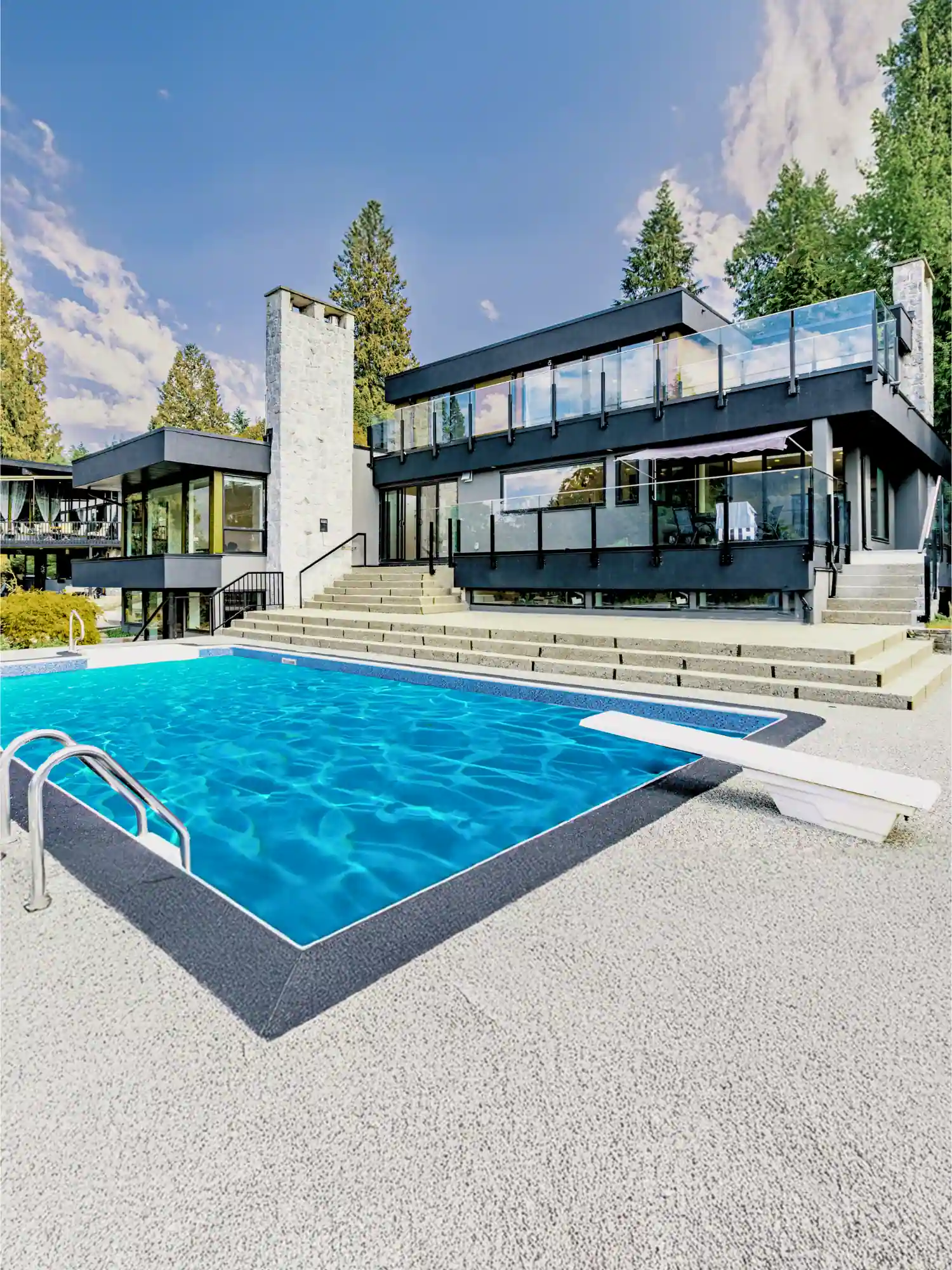
Dunbar & Southlands Renovation Guide: West Side Character Homes & Costs (2026)
Dunbar and Southlands sit at the quiet, leafy end of Vancouver’s West Side — bounded by 16th Avenue to the north, SW Marine Drive to the south, the University Endowment Lands to the west, and Granville Street to the east. These are two of the city’s most sought-after family neighbourhoods, and for good reason. Wide, tree-lined streets, generous lots, some of the best public schools in British Columbia, and a housing stock that blends 1930s character craftsmanship with postwar solidity. Home values range from $2.2M to well over $5M, and the renovation opportunity here is among the strongest in Metro Vancouver.
For homeowners and investors, Dunbar and Southlands represent a compelling renovation equation: homes with genuinely good bones, lots large enough for laneway houses, basement suites in strong UBC-proximity rental demand, and a resale market that rewards quality renovation handsomely. This guide covers everything you need to know — costs, hidden challenges, character home preservation, permits, and the ROI case for renovating in this corner of the West Side.
Why Dunbar and Southlands Are Coveted Renovation Markets
The desirability of Dunbar and Southlands is not accidental — it is the product of geography, schools, and decades of careful neighbourhood stewardship. Families relocating to Vancouver consistently target this area when UBC affiliation, French immersion access at Jules Quesnel or Lord Byng, or proximity to Pacific Spirit Regional Park drives their search. That sustained family demand means home values hold exceptionally well through market cycles, and it gives renovation projects a floor of value that is hard to find elsewhere in the city.
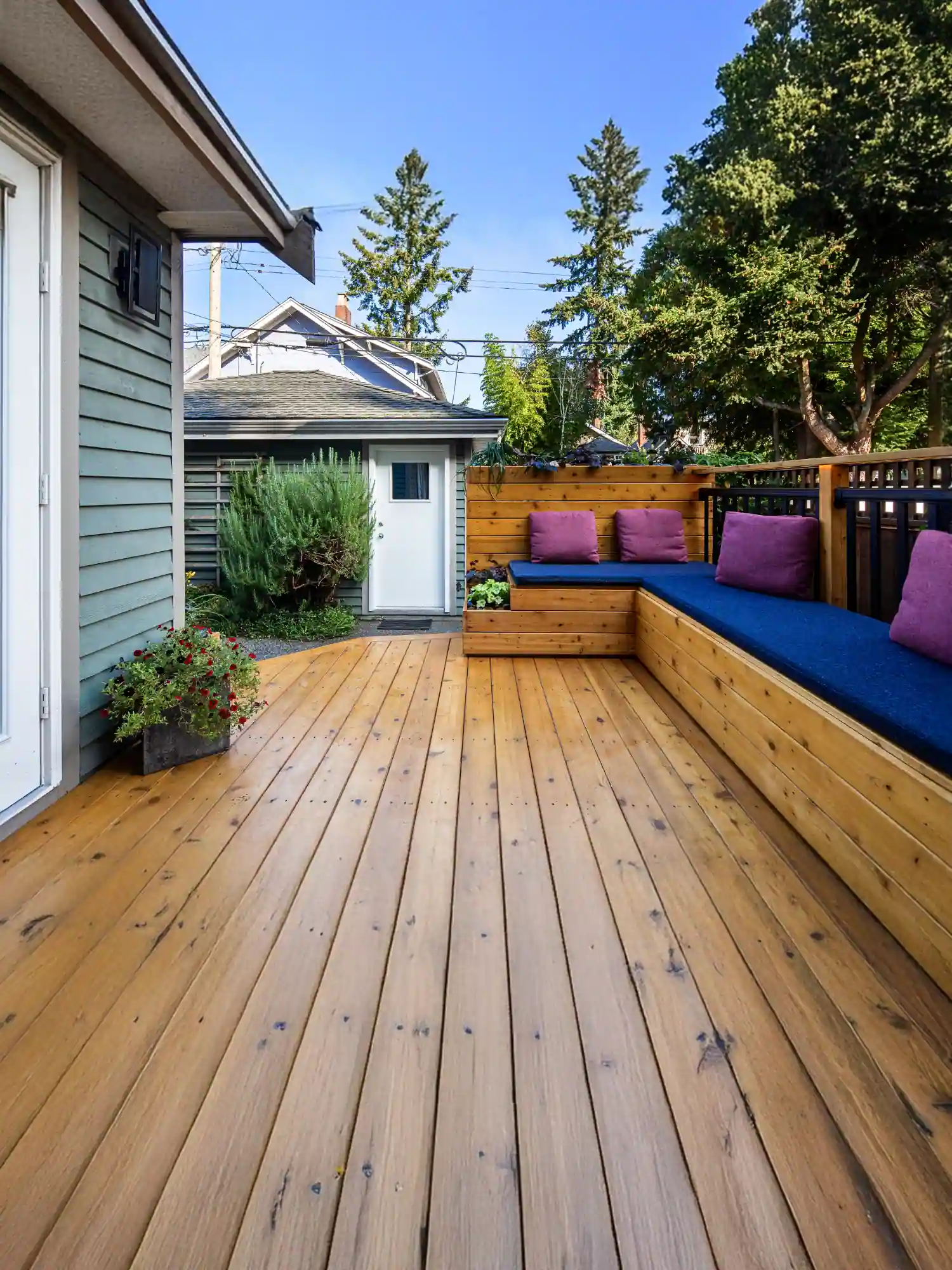
Home values in the range of $2.2M to $5M+ also change the renovation calculus fundamentally
Vancouver General Contractors
Lot sizes across Dunbar are typically 50 × 122 ft to 60 × 120 ft — meaningfully larger than the 33-ft lots that dominate East Vancouver. In Southlands, lots range larger still, with some estate parcels exceeding 100 × 200 ft. That extra width and depth matters enormously when evaluating a laneway house, a garden suite, or a second-storey addition. More square footage on the ground means more options in every direction.
The housing stock itself drives renovation demand. The dominant era is 1940s to 1970s — solidly built homes that are now reaching the age where original systems (electrical, plumbing, insulation, windows) are well past their service life, but the structural bones and the spatial layouts remain excellent starting points. Unlike some newer suburbs where cheap construction makes renovation less worthwhile, a 1950s Dunbar home typically has old-growth Douglas fir framing, masonry foundations, and craftsmanship details that justify significant investment to bring forward to modern standards.
Home values in the range of $2.2M to $5M+ also change the renovation calculus fundamentally. When the land alone is worth $1.8M to $2.5M, a $300,000 second-storey addition that adds $500,000 in market value is a straightforward decision. The high base value compresses the risk of over-improving and expands the upside of doing things properly.
Understanding the Dunbar and Southlands Housing Stock
Dunbar and Southlands are not monolithic — the housing stock has distinct flavour depending on which block you are on, and understanding those differences shapes every renovation decision.
Dunbar proper (roughly the grid between 16th and 41st, Dunbar Street to Blenheim) is predominantly 1930s to 1960s residential. The 1930s and 1940s blocks near Dunbar Street itself contain the highest concentration of Cape Cod, Colonial Revival, and Craftsman-influenced homes — houses with steeply pitched roofs, dormers, divided-light windows, and interior millwork that was executed with care. Original old-growth fir floors, picture rails, built-in buffets in dining rooms, and wood-panelled dens are common in the pre-1955 stock. By the late 1950s and 1960s, the character becomes more pragmatic: ranch-style bungalows, split-levels, and early modernist boxes that prioritised space over ornament. These later homes are excellent renovation candidates precisely because they lack the character constraints of the older blocks — you can open them up aggressively without sacrificing historic fabric.
Southlands has a genuinely different character. South of 41st Avenue toward SW Marine Drive, the neighbourhood takes on an almost rural quality. Lots are larger, setbacks are generous, and there is a genuine equestrian history here — Southlands is home to horse properties with riding trails, paddocks, and the Southlands Riding Club. The housing stock includes mid-century modern examples from the 1950s and 1960s — flat-roofed, low-slung homes with clerestory windows and open plans that were architecturally forward in their time. RS-1 zoning applies throughout most of Southlands, but the larger lot sizes and lower density mean the neighbourhood has a character distinct from the tighter-grained Dunbar grid to the north.
For renovation planning, the most important thing to know about either neighbourhood is the construction era. A 1938 home will have knob-and-tube wiring, galvanized steel plumbing, and single-pane wood windows as standard equipment. A 1962 home will likely have 60-amp service, early-era ABS or copper plumbing (depending on what was done when), and fibreglass insulation blown into some but not all cavities. A 1972 home will be closer to current standards on systems but may have original kitchens and bathrooms that have never been touched. Each era has its renovation profile, and an experienced West Side contractor will scope accordingly.
Dunbar and Southlands Renovation Costs: 2026 Reference Table
The following costs reflect typical project ranges for Dunbar and Southlands specifically — a premium West Side neighbourhood where labour and material costs run somewhat higher than East Vancouver equivalents, and where permit and engineering requirements are fully priced in. These are not budget figures; they reflect quality renovation appropriate to the market.
| Renovation Scope | Typical Cost Range (2026) | Notes |
|---|---|---|
| Kitchen renovation | $55,000 – $140,000 | Mid-range to full custom; includes appliances, custom cabinetry, stone countertops |
| Bathroom renovation (full) | $28,000 – $75,000 | Complete gut and rebuild; primary ensuite at upper end |
| Basement suite (new) | $65,000 – $100,000 | Full legalization, separate entrance, kitchen, 1–2 bed; includes permit |
| Character home full renovation (1930s–1950s) | $200,000 – $420,000 | Systems overhaul + contemporary interior; character features preserved |
| 1960s home full renovation | $180,000 – $380,000 | Full interior + systems; no character overlay constraints |
| Second storey addition | $200,000 – $380,000 | Structural engineering, 2–3 bedrooms + ensuite added above existing main floor |
| Laneway house (new build) | $280,000 – $440,000 | Development permit, full detached suite; finishes affect upper end significantly |
| Partial second storey / dormer expansion | $120,000 – $200,000 | Expanding existing partial upper floor within existing roof structure |
| Electrical panel upgrade (60A → 200A) | $4,500 – $8,500 | Often required during renovation; ESA permit included |
| Knob-and-tube rewire (full) | $18,000 – $35,000 | Whole-house; cost varies by access difficulty, wallboard replacement |
| Galvanized plumbing replacement | $12,000 – $24,000 | Full supply line replacement; drain lines separate |
| Exterior: stucco repaint + repair | $12,000 – $28,000 | Crack repair, primer, quality exterior paint; scaffold if 2-storey |
| Window replacement (full house) | $28,000 – $55,000 | Vinyl or aluminum-clad wood; 12–18 windows typical |
These figures assume fully permitted work with a licensed general contractor. DIY or unpermitted work is not recommended in Dunbar or Southlands — the City of Vancouver’s inspection regime is active, and unpermitted renovations create significant title and insurance complications when you sell a home at these price points.
The Dunbar Renovation Profile: What Homeowners Are Actually Doing
Every neighbourhood has a renovation pattern that reflects its housing stock, demographic, and resale priorities. In Dunbar, the dominant renovation profile in 2025 and 2026 looks like this:
Opening the main floor. The most common single intervention in Dunbar homes is bearing-wall removal to connect the kitchen, dining room, and living room into a single flowing space. Pre-1965 homes were almost universally designed with compartmentalized rooms — a separate kitchen (often galley-style), a formal dining room, and a living room connected by a central hall. Modern family living wants sight lines from the kitchen to the family room and direct access to the back garden. A structural engineer, a temporary shoring system, a steel beam, and new posts typically run $25,000 to $45,000 all-in for this work, but the spatial transformation it delivers is dramatic and it is consistently cited by realtors as one of the highest-return single interventions in this market.
Building out the upper floor. Many Dunbar homes have a second storey, but it was designed in an era when bedroom sizes were modest and the idea of a primary suite with a walk-in closet and a spa bathroom did not exist. Reconfiguring the upper floor — combining two small bedrooms into a proper primary suite, adding an ensuite where there was none, or expanding a partial second floor into full usable space — is extremely common. This work ranges from $80,000 to $180,000 depending on scope and whether structural changes are required.
Basement suite legalization. Dunbar’s proximity to UBC — roughly 10 minutes by bus, with the Broadway Subway extension bringing rapid transit much closer to the neighbourhood — makes basement suites very rentable. Many Dunbar homes already have informal basement suites that were built decades ago without permits. Legalizing and upgrading these suites (separate entrance, egress windows, fire separation, kitchen upgrade, bathroom renovation, and electrical to current code) typically runs $65,000 to $100,000 fully permitted. The rental income potential of $2,000 to $2,600 per month for a one-bedroom suite makes this one of the highest-ROI renovations available in this market.
Exterior refresh. Dunbar has a high proportion of stucco-clad homes, and stucco that is cracked, faded, or textured in a way that reads as dated is a significant curb appeal liability. A quality repaint — crack repair, Dryvit or stucco patch, primer, and two coats of quality exterior paint — combined with new entry door hardware, refreshed front landscaping, and updated exterior lighting delivers a transformation that buyers notice immediately. Budget $15,000 to $35,000 for the full package on a typical Dunbar home.
What Dunbar homeowners are not generally doing is full gut demolitions. These homes have good bones. The structural systems, the room proportions, the lot orientation — all of these were executed thoughtfully. The renovation case in Dunbar is almost always additive and selective, not destructive. Experienced renovation contractors working in this neighbourhood understand that distinction and price accordingly.
Character Home Features: What to Preserve and What to Modernize
Dunbar has a significant stock of character homes — roughly homes built before 1940, though City of Vancouver character overlay policies extend that protection in some areas. These homes contain features that are not replicable at any budget in new construction, and which command a measurable resale premium in the West Side market.
Old-growth Douglas fir floors. Pre-1950 Dunbar homes were almost universally floored in old-growth fir — tight-grained, dense, and extraordinarily durable. These floors, properly sanded and finished, are worth more than almost any alternative. A floor refinishing project on 1,000 sq ft of fir runs $3,500 to $6,500 and produces a result that a $30,000 white oak installation cannot match in terms of character. Preserve these floors. If they have been covered by carpet or vinyl, investigate before assuming they are not restorable.
Original millwork. Picture rails, coved ceilings, built-in buffets in dining rooms, wainscotting in entrance halls, and wood-framed built-in bookshelves — these elements define the character of pre-war Dunbar homes and are essentially irreplaceable. The cost of replicating a built-in buffet in old-growth fir with period-accurate moulding profiles runs $15,000 to $25,000. Existing examples in good condition should be refinished and preserved, not removed.
Original wood windows. This is a nuanced point. Original divided-light wood windows in character homes are aesthetically significant and, if they are old-growth fir and structurally sound, can be restored with weatherstripping and secondary glazing for far less than full replacement. However, if the windows are checking, rotted at the sill, or single-pane in a room used as a primary bedroom, replacement with aluminum-clad wood windows in period-appropriate divided-light configurations is the right call. The resale market for character homes in Dunbar rewards authenticity, but it also rewards functionality. A cold, leaky house is not a desirable house regardless of how original its windows are.
What to modernize without hesitation. Kitchens, bathrooms, mechanical systems, insulation, and the basement are universally modernized even in character-sensitive renovations. No buyer in 2026 expects a 1940s kitchen in a $3.5M home. The character of a Dunbar home lives in its public spaces — the entrance, the living room, the dining room — not in its functional spaces. Modernizing kitchens and bathrooms while preserving the public-room character is the renovation formula that produces the strongest resale outcomes in this market.
The character premium. West Side realtors consistently report that character-sensitive renovations — where the original fir floors are refinished, the millwork is preserved and painted, and the spatial proportions of the living and dining rooms are maintained — sell at premiums of 8 to 15 percent over equivalent homes that were renovated without regard for character. In a $3M market, that premium represents $240,000 to $450,000 in additional sale proceeds. It is not a sentimental argument; it is a financial one.
Old Systems and Hidden Costs in Dunbar and Southlands Homes
The most common source of budget overruns in Dunbar and Southlands renovations is not the work you planned — it is the work you discover once walls are opened. Homes of this age have had decades to accumulate deferred maintenance, informal repairs, and systems that are past their service life but still technically functional. A thorough pre-renovation inspection and a realistic contingency budget are essential.
| System / Issue | Common in Which Era | Typical Remediation Cost |
|---|---|---|
| Knob-and-tube wiring | Pre-1950 (universal) | $18,000 – $35,000 full rewire |
| 60-amp electrical panel | 1950s–1960s | $4,500 – $8,500 upgrade to 200A |
| Galvanized steel supply plumbing | Pre-1960 (common) | $12,000 – $24,000 full replacement |
| Cast iron drain lines (deteriorated) | Pre-1960 basements | $8,000 – $18,000 replacement |
| Asbestos in floor tiles (VAT) | 1950s–1970s | $3,500 – $8,000 abatement |
| Asbestos in pipe insulation (duct wrap) | 1940s–1960s | $4,000 – $12,000 abatement |
| Asbestos in popcorn ceiling texture | 1960s–1980s | $3,000 – $7,500 abatement |
| Vermiculite insulation in attic | 1950s–1980s | $6,000 – $15,000 abatement + replacement |
| Uninsulated wall cavities | Pre-1960 (common) | $8,000 – $18,000 blown-in insulation |
| Single-pane wood windows (full house) | Pre-1970 | $28,000 – $55,000 replacement |
| Failed vapour barrier / wet basement | All eras | $8,000 – $25,000 depending on scope |
| Oil tank (buried or decommissioned) | 1940s–1970s (oil heat era) | $4,000 – $35,000 depending on soil contamination |
Oil tanks deserve specific mention. A significant proportion of Dunbar and Southlands homes heated with fuel oil before natural gas became available in the neighbourhood, and many properties have buried oil tanks that were never properly decommissioned. A buried tank is a title encumbrance and a potential environmental liability. Before purchasing a pre-1975 Dunbar or Southlands property for renovation, commission a tank sweep. If a tank is found, budget $4,000 to $12,000 for removal and up to $35,000 or more if soil contamination is found. This is not a hypothetical — it affects a meaningful number of properties in this neighbourhood.
The standard practice at Vancouver General Contractors when scoping a Dunbar or Southlands renovation is to build a 15 to 20 percent contingency into the budget explicitly for discoveries. This is not padding — it is realistic risk management for this era of housing stock. Projects that are scoped without contingency consistently run over budget; projects that include contingency frequently come in on budget or return unused funds to the homeowner.
Basement Suite Opportunity: UBC Proximity and West Side Rental Premium
The rental case for basement suites in Dunbar and Southlands is exceptionally strong, and it is getting stronger. The Broadway Subway extension — the Millennium Line extension to Arbutus that opened in late 2022, with further planning for the UBC extension — has materially improved rapid transit access from the southern part of Dunbar toward downtown and Mount Pleasant. Combine that with the UBC proximity (a 10- to 15-minute bus ride or a 20-minute cycle), and you have a tenant pool of graduate students, postdoctoral fellows, junior faculty, and UBC-affiliated professionals who are willing to pay West Side rental premiums for proximity and quality.
Current basement suite rental rates in Dunbar and Southlands:
| Suite Type | Monthly Rent Range (2026) | Annual Income |
|---|---|---|
| 1-bedroom basement suite (legal, quality finish) | $2,000 – $2,600 | $24,000 – $31,200 |
| 2-bedroom basement suite (legal, quality finish) | $2,600 – $3,400 | $31,200 – $40,800 |
| Studio / bachelor basement suite | $1,500 – $1,900 | $18,000 – $22,800 |
A fully legal, well-finished 1-bedroom basement suite in Dunbar costs $65,000 to $100,000 to create from an unfinished or non-legal basement. At $2,300 per month average rent, that suite generates $27,600 per year in income. The simple payback period on the renovation cost is roughly 2.5 to 3.5 years. After that, the suite is generating net equity and positive cash flow simultaneously — all while adding legalized square footage that enhances the assessed value and marketability of the home.
Legal requirements for a secondary suite in Vancouver include: minimum ceiling height of 1.98m (6’6″), separate entrance from grade (not through the main house), fire separation between suites (1-hour fire-rated assembly), smoke and CO detectors on both floors, egress windows in all sleeping rooms, a full kitchen (not a kitchenette), and a three-piece bathroom. The electrical panel must have capacity to add a sub-panel for the suite, and the suite must have its own separately-metered panel or a clearly segregated breaker allocation. These are not optional — inspectors check all of them, and a suite that fails inspection cannot be legally rented.
If you are considering buying a Dunbar home that has an existing informal suite, get a suite assessment from a contractor before you close. Many informal Dunbar suites have ceiling heights of only 6’2″ or 6’3″ — below the legal minimum — which means legalization requires excavating and lowering the basement slab, an expensive undertaking that changes the renovation economics significantly. Know what you are buying.
Second Storey Additions in Dunbar: Adding Space Without Moving
A substantial proportion of Dunbar’s housing stock is single-storey or has a partial second storey — a staircase that leads to one or two small bedrooms and a single bathroom tucked under a steeply pitched roof. For families who have outgrown the main floor but are unwilling to leave a neighbourhood they love, a second storey addition is the renovation that changes everything.
A full second storey addition — removing the existing roof, framing new exterior walls to full height, and constructing a new roof above — typically adds 800 to 1,200 square feet of usable space to a Dunbar bungalow. That space is typically configured as two additional bedrooms, a primary suite with walk-in closet and ensuite bathroom, and a hall bathroom. On a 2,200 sq ft single-storey home, this transformation produces a 3,200 to 3,400 sq ft home with four or five bedrooms and three bathrooms — competitive with new construction at a fraction of the land cost.
Cost range: $200,000 to $380,000 for a full second storey addition in Dunbar, including structural engineering, permit, temporary waterproofing during construction, framing, roofing, windows, insulation, drywall, interior finishing, and staircase. The wide range reflects differences in ceiling height (8 ft vs. 9 ft ceilings affect framing cost), the complexity of the existing roof structure being removed, the quality of finishes selected, and whether the main floor is also being updated simultaneously.
Structural engineering is non-negotiable. Adding a second storey to a 1950s bungalow requires a structural engineer to assess the existing foundation and main-floor framing to confirm they can carry the additional load. In most cases, the existing foundations are adequate — the masonry foundations common in this era are overbuilt by modern standards — but point load assessments at bearing walls and column locations are always required, and the permit application will not be approved without sealed engineering drawings.
Living during construction. A second storey addition typically takes four to six months from permit issuance to occupancy. The main floor of the house remains intact and accessible during most of this period, though there will be phases — particularly when the roof is removed — where the home is temporarily unoccupied. Most families either arrange short-term rental accommodation for six to eight weeks during the critical phases or use the basement suite (if one exists) as a temporary base. Your contractor should be specific about the schedule and the phases that require vacancy.
Permit Process for Dunbar and Southlands Renovations
All renovation work in Dunbar and Southlands falls under the City of Vancouver’s Building Bylaw, administered by the Development, Buildings and Licensing department. The permit process here is the same as the rest of Vancouver, but there are neighbourhood-specific considerations worth understanding.
RS-1 zoning. The vast majority of Dunbar and Southlands is zoned RS-1 (Single-Family Residential District 1). RS-1 governs permitted uses, lot coverage, floor space ratio (FSR), setbacks, and height. For typical renovations — interior alterations, basement suite additions, window replacements — RS-1 does not constrain you significantly. For second storey additions, additions to the building footprint, or laneway houses, you will be working within RS-1’s FSR and lot coverage limits, which your designer or architect will calculate as part of the permit application.
Character overlay areas. Parts of Dunbar contain character home overlay provisions within the RS-1 zoning. These provisions provide additional incentives (density bonuses, relaxed setbacks) for retaining existing character homes rather than demolishing them, and they impose additional review requirements for exterior alterations on homes that qualify as character homes under the City’s criteria. If your home was built before 1940 and has heritage features, check with the City’s planning department whether the character overlay applies before finalizing your renovation scope.
Permit timelines. For a straightforward building permit application (interior renovation, new bathroom, electrical upgrade), the City of Vancouver’s current processing time is roughly 6 to 12 weeks for residential projects. Second storey additions and basement suites take longer — typically 10 to 16 weeks — because they require both a building permit and, in the case of secondary suites, a review against secondary suite bylaw requirements. Laneway houses require a development permit before a building permit, adding a separate review stage that can extend the total permitting timeline to 4 to 6 months from initial application.
Variance applications. If your renovation requires a relaxation of standard RS-1 setbacks, height limits, or lot coverage maximums, a development variance permit (DVP) is required. DVPs are reviewed by City staff with neighbour notification and typically add 2 to 3 months to the permitting process. Most standard renovations do not require variances, but second storey additions on corner lots or homes with non-conforming existing setbacks sometimes do.
Work with a contractor who has an established permit submission process and relationships with City plan checkers. The difference between a permit application that sails through and one that gets sent back for revisions is almost entirely in the completeness and quality of the initial submission package. At Vancouver General Contractors, we manage the permit process end-to-end for all projects — our clients do not navigate City Hall alone. Learn more about our renovation services at our home renovation page or reach out directly on our contact page.
Laneway House Opportunity in Dunbar and Southlands
Dunbar and Southlands are among the most laneway-house-feasible neighbourhoods in Vancouver. The combination of large lots (50 to 60 ft wide in Dunbar, wider in Southlands), rear lane access throughout the neighbourhood, and strong rental demand from UBC proximity makes the laneway house case here particularly compelling.
A laneway house is a fully detached dwelling built in the rear yard of a single-family lot, accessed from the lane, with its own address, kitchen, bathroom, and separate electrical service. In Vancouver, laneway houses are permitted on most RS-1 lots in Dunbar and Southlands, subject to lane frontage, minimum lot size, and setback requirements. The City’s laneway house program has been active since 2009 and the permitting process, while not trivial, is well-established.
Rental income. A well-appointed 1-bedroom laneway house in Dunbar or Southlands rents for $2,400 to $3,500 per month in the current market. Two-bedroom laneways, which are possible on wider lots, push into the $3,200 to $4,200 range. At $2,800 per month average for a 1-bedroom, an annual income of $33,600 is achievable — generating a meaningful return on a $380,000 construction cost.
Construction cost. Laneway houses in this neighbourhood run $280,000 to $440,000 for a fully finished, permitted detached suite. The wide range reflects the size of the unit (400 sq ft vs. 700 sq ft), the quality of finishes, and the complexity of the lane access and utility connections. On a standard Dunbar lot, expect the development permit stage to take 4 to 6 months and the construction phase to take another 4 to 5 months — total project timeline of 8 to 12 months from design start to occupancy.
Value addition. Beyond rental income, a legal laneway house adds a meaningful increment to the assessed value and market value of the property. Appraisers and realtors consistently price legal laneways at a $300,000 to $500,000 premium over comparable lots without laneways, reflecting the income potential and the flexibility the second unit provides (extended family accommodation, mortgage helper, short-term rental under applicable bylaws).
If you are considering a laneway house, the first step is a feasibility assessment — confirming lane access, lot dimensions against current City regulations, existing building setbacks, and utility connection requirements. Contact us through our renovation guide or visit the contact page to arrange a site assessment.
ROI Analysis: Does Renovating in Dunbar and Southlands Make Financial Sense?
The short answer is yes — emphatically, and consistently. The combination of high base home values, strong rental markets, a buyer pool that actively seeks renovated character homes, and large lots that support income-producing auxiliary structures makes Dunbar and Southlands one of the strongest renovation ROI environments in Metro Vancouver.
| Renovation Scope | Typical Cost | Estimated Value Added | ROI Notes |
|---|---|---|---|
| Cosmetic update (paint, floors, fixtures) | $40,000 | +$120,000 – $160,000 | 3–4x return; highest ROI per dollar |
| Kitchen + primary bathroom renovation | $120,000 | +$180,000 – $250,000 | 1.5–2x return; core buyer priority |
| Basement suite (new, legal) | $65,000 – $85,000 | +$27,000 – $34,000/yr rental income | Payback 2.5–3.5 yrs; ongoing income stream |
| Second storey addition | $250,000 – $300,000 | +$450,000 – $600,000 | 1.8–2x return; transforms marketability |
| Laneway house | $350,000 – $380,000 | +$400,000 – $500,000 + $30,000/yr rental | Capital + income; 1.1–1.3x capital return plus ongoing yield |
| Full character home renovation (1930s–1950s) | $280,000 – $380,000 | +$500,000 – $750,000 | 1.8–2x return; character premium applies |
| Full 1960s home renovation | $220,000 – $300,000 | +$380,000 – $550,000 | 1.7–1.9x return; strong in family buyer market |
These estimates are based on discussions with West Side realtors and recent comparable sales in Dunbar and Southlands, not on theoretical models. The key driver of ROI in this market is quality. A renovation done at premium standard — quality materials, proper permits, good design — returns at the upper end of these ranges. A renovation done at cut-rate cost or left unpermitted trades away the character premium and the buyer confidence that drives bidding competition in this neighbourhood.
The math is particularly compelling for second storey additions. Adding 900 square feet of bedrooms and bathrooms to a Dunbar bungalow — at $300,000 all-in — routinely adds $500,000 or more to the sale price, because it moves the home from a 3-bedroom family starter into a 5-bedroom family destination. That transition crosses a meaningful threshold in the buyer pool: from first-move-up buyers to established families who will pay premium prices for the right home in the right school catchment.
If you are evaluating a renovation investment in Dunbar or Southlands and want a project-specific ROI analysis, contact Vancouver General Contractors at our contact page for a consultation. We work regularly in this neighbourhood and can give you a grounded assessment of what your specific project will cost and what comparable renovations have achieved in the market.
More Neighbourhood Guides Guides

Renovation in South Granville, Vancouver: Luxury Homes & High-End Finishing Standards

Renovation in Tsawwassen, Delta: South Delta Home Styles & Renovation Considerations

Renovation in Squamish: Mountain Town Growth, Unique Styles & Permit Guide

Renovation in Mission, BC: Small-Town Building Permit Guide & Local Contractors
Renovation in the Fraser Valley: Complete Guide for Abbotsford, Langley & Chilliwack
Ready to start your renovation?
Frequently Asked Questions: Dunbar and Southlands Renovation
1. What is the difference between Dunbar and Southlands for renovation investment?
Dunbar is the more densely gridded northern portion of the area, with 33- to 60-foot lots and a higher concentration of 1930s–1960s character homes on a traditional street grid. Southlands is the southern portion toward SW Marine Drive, with larger lots (some exceeding 100 × 200 ft), a more rural character, and some genuine estate and equestrian properties. For a renovation investor targeting rental income from a basement suite or laneway, Dunbar typically offers better lot economics and stronger tenant demand. For an investor targeting a long-hold estate renovation or equestrian lifestyle property, Southlands offers something unique in the Vancouver market. Both are strong investments; the choice depends on your specific renovation goals.
2. Are there special rules for equestrian lots in Southlands?
Yes. Southlands contains properties with equestrian uses — paddocks, stabling, and trail access — that are governed by specific zoning provisions and the Southlands Agricultural Land Reserve (ALR) status that applies to some parcels. If you are buying or renovating a Southlands property with agricultural or equestrian features, confirm the ALR status and the applicable agricultural zoning regulations with the City of Vancouver and the BC Agricultural Land Commission before proceeding. Agricultural Land Reserve properties have restrictions on subdivision, non-farm use, and the type of structures permitted. These restrictions are significant and cannot be ignored in a renovation scope.
3. Does UBC proximity add a rental premium to Dunbar basement suites?
Definitively yes. UBC’s graduate and professional schools, combined with the large number of postdoctoral researchers and junior faculty who prefer established West Side neighbourhoods, create a tenant pool that consistently pays above-average rents for quality housing within transit or cycling distance of campus. A legal, well-finished basement suite in Dunbar typically commands 15 to 25 percent more rent than an equivalent suite in a neighbourhood without UBC proximity. The Broadway Subway extension reinforces this premium by reducing transit time to Arbutus and points east.
4. Does the character home overlay in Dunbar restrict what I can do?
The character home overlay in Dunbar provides incentives for retaining qualifying character homes (typically pre-1940) — including density bonuses and reduced setback requirements — but it also means exterior alterations require review to ensure they do not materially detract from the character of the home. Notably, the overlay does not prevent you from renovating; it shapes how exterior changes are reviewed. Interior renovations are unaffected. If your home qualifies, the overlay’s density bonus provisions can actually work in your favour for a basement suite or secondary suite application. Talk to a designer or architect familiar with Vancouver’s character overlay before finalizing your scope.
5. How long does a second storey addition permit take in Dunbar?
A building permit for a second storey addition in Dunbar, submitted with complete drawings and structural engineering, currently takes approximately 10 to 16 weeks for City of Vancouver review and approval. If a development variance permit is also required (for setback or coverage relaxations), add another 8 to 12 weeks for that review before the building permit can be issued. Budget 4 to 6 months from design completion to permit issuance, and plan your contractor start date accordingly. Do not sign a fixed construction start date until the permit is in hand.
6. What basement ceiling height do 1940s Dunbar homes typically have?
Homes from the 1940s in Dunbar typically have basement ceiling heights of 6’2″ to 6’8″ — straddling the legal minimum of 6’6″ (1.98m) required for a secondary suite in Vancouver. This is the most common constraint limiting legal suite creation in this era of housing. Homes at the lower end (6’2″ to 6’4″) require basement lowering — underpinning the foundation walls and excavating the slab — to achieve legal height. This typically adds $35,000 to $65,000 to the suite creation cost and makes the project economics more challenging. Before committing to a suite project, measure the existing clear height carefully. Take the measurement from the top of the concrete slab to the underside of the floor joists above, then subtract for the suite’s ceiling assembly.
7. What is the best ROI renovation in Dunbar right now?
The highest ROI per dollar spent in Dunbar is consistently cosmetic renovation — refinishing the fir floors, repainting throughout, updating lighting and hardware, replacing dated window coverings — on a well-located home that has never been renovated. A $40,000 cosmetic update to a home with good bones in a desirable Dunbar block can produce $120,000 to $160,000 in value uplift. For larger capital deployment, a second storey addition on a bungalow in a top school catchment (Lord Byng secondary, Jules Quesnel or Queen Elizabeth elementary) delivers the strongest combined return — both in absolute dollar terms and in the quality of the buyer pool it attracts.
8. How much does it cost to deal with knob-and-tube wiring in a Dunbar home?
A full knob-and-tube rewire in a Dunbar home of typical size (1,800 to 2,400 sq ft finished area) costs $18,000 to $35,000, depending on the accessibility of the wiring runs, the extent of wallboard that must be opened and restored, and whether the rewire is combined with an electrical panel upgrade. The cost increases significantly if the attic insulation has been blown in over the existing K&T (a code violation that prevents K&T from being covered), requiring insulation removal before wiring work can proceed. Many insurance companies will not provide or renew coverage on homes with active knob-and-tube wiring, and virtually all mortgage lenders require K&T to be addressed during a renovation. Budget for it explicitly — it is not optional.
9. What does a stucco exterior renovation cost in this neighbourhood?
Stucco repaint and repair on a typical Dunbar two-storey home costs $12,000 to $28,000. This includes crack assessment and repair (cracks wider than hairline require proper stucco patching, not caulk), primer application, and two coats of quality elastomeric or acrylic exterior paint. If the stucco system has deeper issues — deteriorated backing paper, failed flashings around windows, or moisture intrusion behind the stucco layer — the cost escalates significantly because re-stuccoing portions of the wall system (or in severe cases, full system replacement at $50,000 to $80,000+) becomes necessary. A moisture probe test and stucco tap-test inspection before starting is strongly recommended on any Dunbar home from the 1990s or earlier with visible stucco cracking.
10. Can I create an open-concept main floor in a Dunbar character home?
Yes, in almost all cases — but with care. The bearing walls in a 1940s or 1950s Dunbar home are structural and must be properly engineered before removal. A structural engineer will specify the beam size, bearing points, and column requirements to safely remove a wall between the kitchen and dining room or between the dining room and living room. This work typically costs $25,000 to $45,000 all-in and can be transformative. The key constraint in a character home is aesthetic, not structural: removing the wall between the dining room and the living room in a house where those rooms have original picture rails, coved ceilings, and period moulding profiles requires careful transition detailing to avoid visual discontinuity. An experienced designer who works with character homes in this neighbourhood will know how to handle the transitions respectfully.
11. What renovation choices preserve character — and which ones destroy it?
Preserves character: Retaining and refinishing original old-growth fir floors; maintaining coved or coffered ceilings; preserving picture rails and existing millwork profiles; restoring rather than replacing original divided-light wood windows where structurally sound; using period-appropriate hardware in public rooms; retaining built-in cabinetry in dining rooms and dens. Destroys character: Installing pot lighting throughout and removing original light fixture locations; replacing original hardwood with wide-plank engineered flooring; removing all wall trim and replacing with minimal contemporary trim; changing window openings to different proportions; applying popcorn or modern spray texture to original smooth plaster ceilings. The distinction between these two lists is not about cost — it is about awareness and intent. Character-sensitive renovation in Dunbar consistently commands a market premium.
12. Is a laneway house feasible on a typical Dunbar lot?
Generally yes — Dunbar’s standard 50 × 122 ft lots with rear lane access are well-suited for laneway houses under the City of Vancouver’s current regulations. Minimum requirements include a lot width of at least 30 ft, rear lane access, and minimum setbacks (including 16 ft from the rear lane, 3 ft side setbacks for the laneway structure). On a standard 50 × 122 ft lot, a 480 to 640 sq ft laneway house is typically achievable. Wider lots in Dunbar (55–60 ft) and the larger Southlands lots can support larger units. Consult with a designer early in the process — feasibility depends on the specific lot dimensions, the existing building’s setbacks, and the location of any existing garage or outbuilding.
13. How far ahead should I book a contractor for a Dunbar renovation project?
Quality general contractors working in Dunbar and the broader West Side are consistently booked 4 to 6 months ahead for major projects (second storey additions, full renovations, laneway houses). For kitchen and bathroom renovations, typical lead times are 2 to 4 months. The permit process often provides a natural buffer — starting your contractor search and obtaining quotes concurrent with permit submission is the right approach. Waiting until a permit is in hand before engaging contractors will add 2 to 4 months to your project timeline unnecessarily. Engage your contractor early, get a construction agreement with a clear start date conditional on permit issuance, and plan the permit application timeline accordingly. Read more about our approach and project types at our renovation guide.
14. What is the total permit timeline for a full Dunbar home renovation?
A full renovation that includes a new basement suite, a second storey addition, and interior reconfiguration of the main floor typically requires 4 to 7 months for permit approval, from initial application submission to permit issuance. This timeline assumes a complete, well-prepared application package (architectural drawings, structural engineering, energy compliance report where required) on first submission. Incomplete submissions, plan checker comment cycles, and variance applications all extend this timeline. The upfront investment in a thorough permit package — a $15,000 to $25,000 design and engineering cost — consistently returns its value in faster approvals and fewer construction surprises.
15. How do Dunbar and Southlands home values respond to renovation quality?
Renovation quality has a measurable and consistent effect on sale price in Dunbar and Southlands. This is a market with sophisticated buyers who hire inspectors, review permit histories, and distinguish between permitted renovation work and unpermitted shortcuts. Homes with fully permitted, high-quality renovations — where the contractor is known and the work meets or exceeds code — sell at the upper end of the comparable range and often attract multiple offers. Homes with renovations that have permit gaps, visible quality issues, or unpermitted suite additions consistently sell at discounts relative to the renovation cost invested. The lesson is clear: in a market where buyers are spending $3M to $5M+, the quality of the renovation is not just aesthetic — it is a fundamental component of the asset’s value. Do it right, permit it properly, and use contractors with a verifiable record in this neighbourhood.
Ready to start your Dunbar or Southlands renovation? Vancouver General Contractors has extensive experience with character homes, second storey additions, basement suites, and laneway houses on the West Side. Visit our renovation guide to understand our full scope of services, explore our home renovation portfolio, or reach out directly through our contact page to arrange a consultation.
Get a Free Renovation Quote
Metro Vancouver’s trusted general contractors. Free consultations across Vancouver, Burnaby, Richmond, North Shore & beyond.
Get Your Free Quote →
Comments are closed