





East Vancouver Renovation Guide: Costs, What to Expect, and Why East Van Is VGC’s Home Turf (2026)
East Vancouver is the renovation capital of Metro Vancouver — and if you own a home here, you already know why. The streets are lined with craftsman bungalows built in the 1920s, post-war boxes from the late 1940s, and rows of Vancouver Specials from the 1970s. Nearly every one of them sits on a lot worth $1.4 million or more. And nearly every one of them has something that needs updating, upgrading, or completely overhauling.
Vancouver General Contractors has completed more renovations in East Vancouver than any other part of Metro Vancouver. Our crews have worked in Fraserview, Killarney, Hastings-Sunrise, Grandview-Woodland, Renfrew-Collingwood, Mount Pleasant, and Strathcona. We know which streets have knob-and-tube wiring, which basements flood without notice, and which character overlays require heritage design review before you touch the front porch. This guide is built on that direct experience.
Whether you are planning a full gut renovation, a legal suite conversion, or a kitchen and bathroom upgrade, this guide covers what East Vancouver renovation actually costs in 2026, what to expect from each neighbourhood, what hidden issues your contractor will find, and how to make the numbers work.
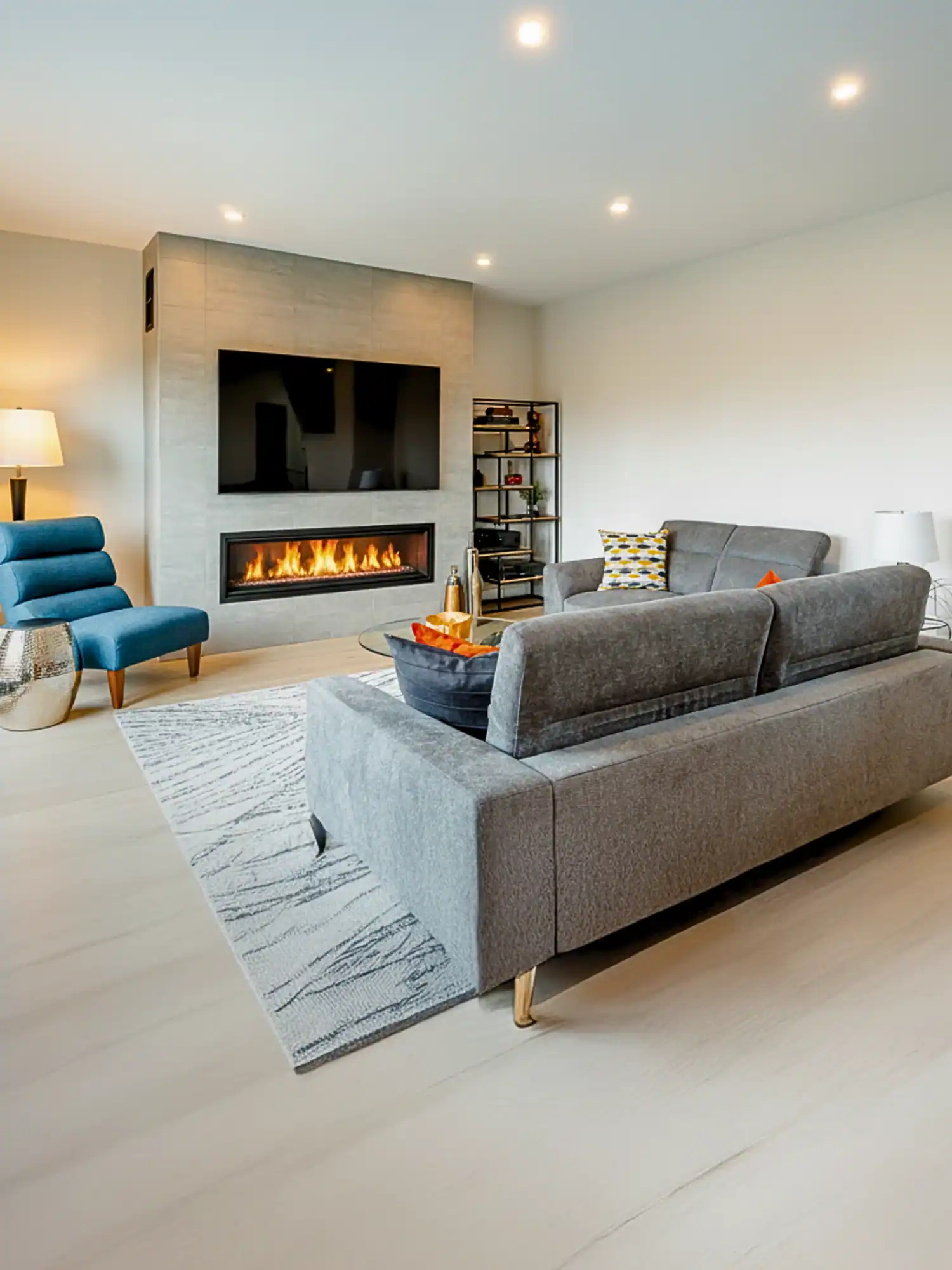 Richmond” class=”wp-image-12768″ />
But age alone does not make a neighbourhood a renovation hotspot. What makes East Van different is the intersection of age with property value
Vancouver General Contractors
Why East Vancouver Is the Renovation Capital of Metro Vancouver
No area in Metro Vancouver concentrates so much renovation opportunity into a single geography as East Vancouver. The numbers tell the story clearly: more than 70 percent of detached homes in East Van were built before 1985, and a significant portion predate 1960. That means the majority of the housing stock is approaching or well past the 40-to-60-year mark where systems fail, layouts feel dated, and energy performance is poor by any modern standard.
But age alone does not make a neighbourhood a renovation hotspot. What makes East Van different is the intersection of age with property value. The average detached home in East Vancouver trades between $1.4 million and $2.0 million. At that price, the economics of renovation are almost always more compelling than tearing down and rebuilding. A full gut renovation of a Vancouver Special — the dominant home type in much of East Van — costs $120,000 to $250,000 depending on scope and finishes. The same lot with a new build costs $600,000 to $900,000 and takes 18 to 24 months. The renovation path delivers a better financial outcome faster, with far less disruption to the neighbourhood fabric.
The three dominant home types in East Van each represent a different renovation era and a different set of opportunities. Craftsman bungalows from 1910 to 1945 are the character gems — deep lots, fir floors, original millwork, and decades of deferred maintenance hidden behind plaster walls. Post-war bungalows from 1945 to 1965 are the workhorses — solid construction, often untouched, with asbestos tile and galvanized plumbing waiting to be discovered. And Vancouver Specials from 1965 to 1985 are the investment vehicles — two full floors, suite-ready layouts, and exterior profiles that reward transformation.
Gentrification pressure across the area has intensified the renovation imperative. Grandview-Woodland and Hastings-Sunrise have seen substantial price appreciation, driven by exactly the renovated, character-forward homes that younger buyers are seeking. A renovated craftsman on a quiet street in Hastings-Sunrise now commands a premium that was unthinkable a decade ago. Renfrew-Collingwood has followed closely. The pattern is consistent: renovated homes set new comps, which pull up values across the block, which makes the next renovation even more financially justified.
VGC has tracked this cycle from the inside. Our team has completed projects on nearly every residential street in East Van. We know where the city has updated the lane infrastructure (laneway house opportunity), which blocks have the highest rate of secondary suite creation, and where the heritage overlay will require additional design coordination. That local knowledge is not something you get from a contractor based in Burnaby or the Westside.
East Vancouver Neighbourhoods: What Makes Each One Unique for Renovation
East Vancouver is not a monolith. Each neighbourhood has its own dominant home type, typical lot configuration, price range, and renovation personality. Understanding these differences helps you calibrate your expectations, your budget, and your strategy before the first contractor sets foot in your home.
Fraserview and Killarney
Fraserview and Killarney are the most consistent neighbourhoods in East Van for renovation scope. The streets are almost entirely Vancouver Specials built between 1965 and 1985 and 1950s bungalows on wide, quiet lots. Families have lived in these homes for decades. The children have grown up and moved out. The parents are either selling to move to a condo or are considering a renovation to modernize the home while adding a legal suite for rental income or for the returning adult children.
Average home values sit between $1.6 million and $1.9 million, which is the sweet spot for renovation ROI. School catchment premium is real here — John Oliver and Sir Charles Tupper both feed these neighbourhoods, and renovated family homes in catchment sell at a measurable premium. The primary renovation scope in Fraserview and Killarney is the Vancouver Special update: open up the main floor, modernize the kitchen and bathrooms, refresh the exterior, and convert the lower level to a legal suite. VGC has completed more than 25 projects in this sub-area alone.
Hastings-Sunrise
Hastings-Sunrise sits northwest of Renfrew-Collingwood and extends from the Burrard Inlet down to East Hastings Street. The housing stock here is older and more varied than further south — craftsman bungalows, 1940s infills, and mixed commercial streets along Hastings create a more textured neighbourhood profile. Character house overlays are common on pre-1940 properties, particularly on the quieter residential blocks between Hastings and McGill.
Prices in Hastings-Sunrise are generally more affordable than the rest of East Van, running from $1.4 million to $1.7 million for a detached home. But the neighbourhood is rising fast on the Commercial Drive effect — buyers priced out of Grandview-Woodland are moving east along Hastings, which is pushing up renovation activity and post-reno sale values. Craftsman expertise matters here more than anywhere else in East Van: the heritage overlay constraints require a contractor who has navigated City of Vancouver heritage review, and the structural condition of these older homes requires careful pre-construction assessment.
Grandview-Woodland and Commercial Drive
Grandview-Woodland is the epicentre of East Van gentrification. The Commercial Drive corridor and the blocks surrounding it have seen the highest concentration of full interior renovations with character exterior retention anywhere in the city. Heritage craftsman bungalows sit beside Vancouver Specials, and both types are being renovated at a pace that reflects the neighbourhood’s status as one of Vancouver’s most desirable walkable communities.
Average home values here range from $1.5 million to $2.0 million, and the upper end of that range is increasingly achievable for renovated craftsmans with character-appropriate finishes. Character overlay is pervasive in Grandview-Woodland — the City has mapped much of the pre-1940 housing stock here, and exterior changes require heritage design review and often a heritage consultant. The defining renovation scope in this neighbourhood is the open concept craftsman: remove the wall between kitchen and living room, expose the fir floors, install a kitchen that respects the character of the home, and add a suite downstairs. Done well, this transformation adds $250,000 to $400,000 in sale value.
Renfrew-Collingwood
Renfrew-Collingwood has the densest concentration of Vancouver Specials in East Vancouver. Block after block of the neighbourhood is defined by the two-storey, flat-roof form that became the default builder home from the mid-1960s through the early 1980s. Transit access is excellent — 29th Avenue SkyTrain Station is walkable from a large portion of the neighbourhood, which makes suite conversion particularly attractive as a rental income strategy.
Prices average $1.5 million to $1.85 million. Suite conversion is the primary value driver here. Many Renfrew-Collingwood Vancouver Specials already have informal suites that were never permitted. VGC’s most common scope in this neighbourhood is the legalization and upgrade of those existing suites — bringing the electrical, plumbing, egress, and mechanical up to current code while modernizing the layout and finishes. A legal suite in Renfrew-Collingwood commands $2,100 to $2,300 per month and adds $160,000 to $190,000 to the property value based on comparable sales.
Mount Pleasant
Mount Pleasant is the most urban of the East Van neighbourhoods, straddling the boundary between residential and light industrial along the Broadway and Main Street corridors. The housing stock is a mix of older character houses, newer infill construction, and converted commercial buildings. Average values range from $1.5 million to $2.1 million, and the upper end reflects the neighbourhood’s proximity to the Broadway SkyTrain corridor.
The primary constraint for renovation in Mount Pleasant is lot size. Many of the character houses in this neighbourhood sit on 25-foot or 33-foot frontage lots, which limits addition potential. Rear lane configurations vary significantly. Heritage overlay and character house restrictions apply to a significant portion of the pre-1940 housing stock along the quieter residential blocks. The renovation focus here tends to be interior: kitchen and bathroom modernization, basement suite creation where lot size allows, and layout reconfiguration rather than structural addition.
Strathcona
Strathcona is the oldest neighbourhood in Vancouver’s East Side, and it shows in the housing stock. Pre-1910 workers’ cottages, Victorian-era homes, and early craftsman bungalows sit alongside heritage commercial buildings on some of Vancouver’s most historically significant residential streets. Heritage designation and character overlay are not the exception here — they are the rule.
Average home values in Strathcona range from $1.4 million to $2.0 million, with heritage-designated properties often commanding premiums after careful, compliant restoration. Renovation work in Strathcona requires a contractor with genuine heritage expertise — someone who understands the City of Vancouver’s heritage conservation guidelines, has relationships with heritage consultants, and can work with the original building materials and methods that define these homes. VGC has completed several heritage restoration projects in Strathcona, and we treat this work with the care it demands.
Typical East Van Home Types and What They Need
Every home type in East Vancouver comes with its own characteristic set of needs, hidden issues, and renovation costs. The table below gives you a framework for understanding what your home is likely to require based on its era and type.
| Home Type | Era | What It Needs | Typical Full Reno Cost |
|---|---|---|---|
| Craftsman bungalow | 1910–1940 | Knob-and-tube rewire, full plumbing replacement, insulation, basement suite | $200,000–$380,000 |
| Post-war bungalow | 1945–1965 | Asbestos abatement, galvanized pipe replacement, kitchen, bathroom, panel upgrade | $160,000–$300,000 |
| Vancouver Special | 1965–1985 | Open concept main floor, legal suite, exterior refresh, windows, panel | $120,000–$250,000 |
| 1970s two-storey | 1970–1985 | Kitchen, bathrooms, suite conversion | $100,000–$200,000 |
| 1980s builder home | 1980–1995 | Cosmetic refresh, kitchen, suite, flooring | $80,000–$160,000 |
A few things stand out from this table. First, the craftsman bungalow is the most expensive home to renovate on a per-square-foot basis — not because it is the largest, but because it almost always contains knob-and-tube wiring and original galvanized or lead supply plumbing, both of which require full replacement regardless of what else you are doing. Second, the Vancouver Special sits in a cost range that makes renovation straightforwardly economical — $120,000 to $250,000 to transform a home on a $1.6 million lot is a ratio that makes sense on a spreadsheet. Third, even the most cosmetically updated 1980s builder home typically contains an electrical panel that will not support modern loads and requires upgrade before a legal suite can be permitted.
East Van Renovation Costs: What You’ll Actually Pay
The renovation industry is not known for cost transparency. Ranges are wide, scope descriptions are vague, and homeowners often reach the end of a project having spent 30 percent more than they expected. The figures below are based on VGC’s actual project costs in East Vancouver in 2025 and 2026. They reflect current labour and material costs, City of Vancouver permit fees, and the specific hidden-issue rates we encounter in East Van homes.
| Project | East Van Cost | Notes |
|---|---|---|
| Vancouver Special full renovation (Tier 2) | $140,000–$200,000 | Mid-range transformation, open concept, new kitchen and baths, suite |
| Legal basement suite (Vancouver Special) | $65,000–$90,000 | VGC’s most common East Van scope |
| Kitchen renovation (craftsman home) | $55,000–$80,000 | Includes K&T wire discovery risk buffer |
| Bathroom renovation | $20,000–$38,000 | Galvanized pipe replacement often required |
| Open concept main floor (bungalow) | $20,000–$40,000 | Load-bearing wall almost always present |
| Heritage exterior restoration | $25,000–$55,000 | Character house overlay, heritage design review |
| Second storey addition | $250,000–$380,000 | Full two-storey from bungalow footprint |
| Full gut (craftsman bungalow) | $220,000–$380,000 | Everything: K&T rewire, full plumbing, insulation, finishes |
A few important notes on these ranges. The figures include permit fees, which in the City of Vancouver run from $2,500 for a straightforward suite permit to $12,000 or more for a major structural renovation. They include a contingency buffer for the hidden issues described in the section below — knob-and-tube discovery, asbestos tile abatement, panel upgrade — which are not surprises in East Van so much as expected line items that vary in scale. And they reflect the reality that City of Vancouver trades labour costs more than comparable work in Surrey or Burnaby.
What they do not include is project management time, design fees if you engage an architect or interior designer, and any structural engineering required for beam specifications on open concept work. For a comprehensive renovation, budget an additional $8,000 to $25,000 for design and engineering depending on the scope of structural work involved.
If you want a detailed cost breakdown for your specific home before committing to a full renovation plan, our renovation planning guide walks through the process of scoping and budgeting a project in detail.
The East Van Renovation Premium: Why Your Home Is Worth More After
The financial case for renovating in East Vancouver is stronger than in almost any other part of Metro Vancouver. This is counterintuitive to many homeowners who assume that the highest property values mean the highest renovation ROI. The opposite is often true. Here is why.
East Vancouver homes start at a lower base than comparable lots on the Westside. The land value is similar in many cases — a 33-by-122-foot lot in East Van and an equivalent lot in Kerrisdale may be priced within 20 percent of each other. But the unrenovated home on the East Van lot is priced significantly lower than the unrenovated Westside equivalent. This creates a larger spread between unrenovated and renovated values, which translates directly into higher renovation ROI.
In Grandview-Woodland, Hastings-Sunrise, and Renfrew-Collingwood, renovated homes are consistently commanding $200,000 to $400,000 more than equivalent unrenovated homes on the same block. This premium is not a function of luxury finishes — it is a function of the market’s willingness to pay for a turnkey home that does not require the buyer to take on an unknown renovation project. In a neighbourhood where buyers are competing for a limited supply of renovated homes, that premium is structural and persistent.
The secondary suite element amplifies this further. A legal suite in East Vancouver generates $2,100 to $2,400 per month in rental income at current market rates. At $2,200 per month and a suite cost of $70,000, the payback period is approximately 32 months. But the capitalized value of that rental income stream adds $160,000 to $200,000 to the property’s appraised value — a return of more than double the investment on the suite alone, not counting the benefit to the overall renovation scope.
Grandview-Woodland prices have risen more than 40 percent over the past five years. Hastings-Sunrise has followed closely. In both cases, the price appreciation has been disproportionately concentrated in renovated homes with character-appropriate finishes and legal suites. This is the neighbourhood rising tide effect in action: as each renovated home sets a new comparable sale, it raises the ceiling for every subsequent renovation on the block.
Common Issues VGC Finds in East Van Homes
Every contractor working in East Vancouver encounters the same catalogue of hidden issues. We document these because the renovation industry’s tendency to treat them as surprises — and charge accordingly — is one of the primary drivers of cost overruns. In East Van, these are not surprises. They are expected findings with known costs. Building them into your budget from the start is the difference between a project that finishes on budget and one that does not.
| Issue | Frequency in East Van | Typical Remediation Cost |
|---|---|---|
| Knob-and-tube wiring | 60% of pre-1950 homes | $18,000–$40,000 |
| Aluminum wiring | 40% of 1960s–1970s homes | $8,000–$20,000 |
| Galvanized plumbing | 55% of pre-1970 homes | $12,000–$25,000 |
| Asbestos tile (floor or ceiling) | 45% of pre-1980 homes | $3,000–$15,000 |
| Undersized electrical panel (60A) | 65% of pre-1980 homes | $3,000–$6,000 |
| Failed perimeter drainage | 35% of all East Van homes | $8,000–$20,000 |
| Low basement ceiling (under 6 feet) | 50% of pre-1950 homes | $35,000–$65,000 (underpinning) |
Knob-and-Tube Wiring
Knob-and-tube is the most consequential hidden issue in East Van craftsman bungalows. It is found in the majority of pre-1950 homes, and it is not something you can partially remediate. Insurers will not cover a home with active knob-and-tube, and lenders will not finance renovation work that leaves it in place. The full replacement cost — $18,000 to $40,000 depending on the size of the home and the degree of access — must be budgeted as a foundation cost for any major renovation of a pre-1950 East Van home.
Aluminum Wiring
Aluminum wiring was the standard for residential construction during a roughly 15-year window in the 1960s and 1970s — exactly the era that produced the bulk of Vancouver Specials in East Van. Aluminum wiring is not dangerous when properly maintained, but it requires specialized connectors at every device and panel termination, and it is often found in poor condition in East Van homes that have had multiple rounds of unlicensed work. Remediation costs range from $8,000 to $20,000 depending on the extent of the issues found.
Galvanized Plumbing
Galvanized steel supply pipes were standard in East Van homes built before approximately 1970. After 50 to 70 years of service, galvanized pipe corrodes internally, restricting flow and leaching iron into the water supply. Opening walls for a kitchen or bathroom renovation almost always reveals galvanized supply lines that must be replaced. Budget $12,000 to $25,000 for a full supply line replacement to copper or PEX in a typical East Van home.
Failed Perimeter Drainage
The original weeping tile systems installed around East Van foundations in the 1940s through 1970s have a finite service life that most of these homes have exceeded. Failed perimeter drainage manifests as seasonal basement seepage, efflorescence on foundation walls, and wet insulation in the rim joist area. If you are converting a basement to a legal suite, discovering failed drainage mid-project is a significant cost event. VGC recommends scoping the perimeter drainage system before committing to a suite conversion in any pre-1980 East Van home.
Permits for East Van Renovations: City of Vancouver Process
All of East Vancouver falls within City of Vancouver jurisdiction. This is important because the City of Vancouver has a more rigorous and slower permit process than suburban municipalities. It also has more protective overlay policies — character house overlays, heritage designation, and the RT and RS zoning frameworks — that affect what you can do and how you must do it.
For a typical East Van renovation, the permits you will encounter include a building permit for any structural work, electrical sub-panel additions, or plumbing alterations, a secondary suite permit if you are creating or legalizing a suite, an electrical permit for the electrical scope, and a gas permit if you are modifying or extending gas lines. Each permit is separate, each has its own inspection schedule, and each has its own fee structure.
Standard processing times at the City of Vancouver run 6 to 12 weeks from application submission to permit issuance for a typical renovation permit. Fast-track eligibility applies to smaller scopes — minor alterations, single-trade permits — and can reduce the wait to 3 to 5 business days. For secondary suite permits on Vancouver Specials, VGC typically plans for a 6-to-8-week processing window after a complete application is submitted.
The character house overlay is the most significant regulatory consideration for pre-1940 East Van homes. If your home is in a character retention area — which you can check at heritage.vancouver.ca — any exterior changes require heritage design review. This does not prohibit renovation; it requires that the proposed changes be reviewed against the City’s character retention guidelines, which generally seek to retain the original roofline, fenestration pattern, and cladding character of the front facade. VGC coordinates heritage design review as part of the permit application process for all applicable East Van projects.
One practical note: VGC has been submitting renovation permits to the City of Vancouver for many years. We know what the plan reviewers are looking for, which details need to be pre-resolved in the drawings, and how to structure an application to minimize back-and-forth resubmissions. Permit application management is included in all VGC East Van projects — you do not pay a separate permit coordination fee.
The Secondary Suite Opportunity in East Van
No single renovation in East Vancouver generates a better combination of immediate cash flow, long-term property value increase, and short payback period than a legal secondary suite. VGC has created more than 100 legal suites in East Vancouver homes, and the financial case for doing it has only strengthened as rental demand in the area has grown.
The City of Vancouver allows one secondary suite per RS-1 lot, and nearly all of East Vancouver is zoned RS-1 or RS-1S. A legal suite must meet minimum ceiling height requirements (6 feet 5 inches for habitable space), have a separate entrance, include a full kitchen and bathroom, have smoke and carbon monoxide detection connected to the main unit, and meet current electrical and plumbing code standards. On a typical Vancouver Special with an 8-foot basement, meeting these requirements is straightforward. On a pre-1950 craftsman bungalow with a 6-foot basement, underpinning may be required — a significant additional cost that must be evaluated before committing to a suite conversion.
The financial case in 2026: a legal suite in East Vancouver rents for $2,100 to $2,400 per month. At the midpoint of $2,200, a $70,000 suite investment is paid back in approximately 32 months from rental income alone. Beyond payback, the capitalized rental income stream adds $160,000 to $200,000 to the property’s appraised value based on comparable sales in Renfrew-Collingwood, Fraserview, and Killarney from 2025 and early 2026.
CMHC’s secondary suite loan program offers up to $80,000 at a 2 percent interest rate — significantly below prime — specifically to fund legal suite creation in owner-occupied homes. This program effectively eliminates the cost-of-capital barrier for most East Van homeowners. Combining the CMHC loan with the 32-month payback period means the suite pays for the loan before the first renewal. VGC can walk you through the CMHC application process as part of your project planning.
Financing Your East Van Renovation
Most East Van homeowners who bought before 2018 are sitting on $400,000 to $900,000 in home equity. This equity is the primary renovation financing resource, and it is more accessible than many homeowners realize. Understanding your financing options before you engage contractors — before you receive quotes, before you begin design — puts you in a fundamentally stronger negotiating position and allows contractors to give you more accurate quotes against a defined budget rather than guessing at your ceiling.
A home equity line of credit is the most common renovation financing tool in East Van. Major banks — TD, RBC, BMO, and Scotiabank — will advance up to 80 percent of the appraised value of your home, less any outstanding mortgage balance, as a revolving HELOC. In 2026, HELOC rates are running at approximately prime plus 0.5 to 1.0 percent, which translates to roughly 6.5 to 7.5 percent depending on your lender and credit profile. For a $150,000 renovation financed entirely at 7 percent over 10 years, the monthly payment is approximately $1,740 — well below the rental income a legal suite would generate.
The CMHC secondary suite loan, described in the previous section, offers up to $80,000 at 2 percent and should be the first financing tool deployed for any East Van homeowner planning a suite conversion. The interest saving versus a HELOC on $80,000 over five years is approximately $20,000 — material savings that justify the application paperwork.
For larger comprehensive renovations — full gut craftsman bungalows, second storey additions — specialized renovation lenders offer products up to $750,000 against post-renovation appraised value. These products are more expensive than a HELOC in the current rate environment but allow access to a larger pool of capital than a standard HELOC if your outstanding mortgage limits your available equity.
VGC’s recommendation: get your financing in place before your first contractor meeting. Contractors who know your budget can give you a real quote against real scope. Contractors who do not know your budget will either quote conservatively (and miss opportunities) or quote aspirationally (and set you up for a scope conflict later). Our home renovation planning overview walks through how to prepare for contractor conversations once your financing is confirmed. You can also contact VGC directly to discuss scope and budget before any formal tender process.
VGC’s East Van Portfolio: Neighbourhoods We’ve Worked In
We are not a generic Vancouver contractor who happens to take East Van work. East Vancouver is where VGC built its reputation, and it remains the core of our project pipeline. Our team members live in East Van neighbourhoods — Hastings-Sunrise, Renfrew-Collingwood, Fraserview. We have a direct stake in the quality of the work we do here because we drive past it on the way to the job site.
In Fraserview and Killarney, VGC has completed more than 25 projects ranging from single-bathroom renovations to full Vancouver Special transformations including new legal suites, open concept main floors, exterior refreshes, and updated kitchens. These are our most repeatable scopes, and our efficiency here reflects years of doing the same work in homes with identical structural logic.
Killarney is our most active area for secondary suite conversions. The combination of Vancouver Special prevalence, excellent school catchment, and strong rental demand from SFU and BCIT students makes the suite ROI case particularly compelling here. We have developed a permit-ready suite package for the standard 1965-to-1980 Vancouver Special footprint that reduces design time and speeds permit submission.
In Hastings-Sunrise, our craftsman expertise and heritage design coordination experience set us apart. We have completed full gut renovations on craftsman bungalows where knob-and-tube wiring, galvanized plumbing, and asbestos tile were all present simultaneously — the full East Van hidden-issue deck. Managing these scopes without budget surprises requires a project manager who has done it before. Our Hastings-Sunrise clients include several homeowners who came to us after a previous contractor abandoned a project when the scope expanded beyond their competency.
In Grandview-Woodland, our portfolio includes full interior gut renovations with character exterior retention — the defining scope of this neighbourhood. We have worked with heritage consultants on projects in the character overlay area and understand the City’s expectations for exterior compliance on Grandview-Woodland craftsmans. Our work in this neighbourhood has been cited in at least two comparable sales by real estate agents positioning character renovations as a premium product.
Renfrew-Collingwood secondary suites and kitchen and bathroom updates make up a significant portion of our annual project load. The consistency of the Vancouver Special footprint in this neighbourhood allows us to plan and price these projects with a high degree of accuracy. Strathcona heritage work, while a smaller portion of our portfolio, represents some of our most technically demanding projects — and some of the work we are most proud of.
What to Look for When Buying to Renovate in East Van
The most efficient renovation project is one that starts with the right property. Buying the wrong house to renovate — one with structural issues that preclude the scope you want, or one with constraints that limit value recovery — is a mistake that cannot be corrected after closing. Here is what VGC looks for when clients ask us to evaluate a prospective purchase.
The best value plays in East Van right now are 1960s and 1970s homes in good structural condition with untouched, full-height basements. These homes are increasingly rare as more owners have already converted their suites, but they do appear. An untouched full-height basement means no remediation of prior unpermitted work, clean slate for a permit-ready suite design, and no legacy plumbing or electrical stubbed in wrong locations. The 1960s era also means aluminum wiring rather than knob-and-tube — a cheaper remediation — and cast iron or copper drain lines rather than the original clay tile found in many pre-1950 homes.
What to Look For
- Full-height basement (7 feet or more): the legal suite threshold is 6 feet 5 inches, and more headroom gives you layout flexibility and reduces the perception of a basement suite.
- Original galvanized plumbing still in place: counterintuitively, this is a positive sign if you plan to renovate. Homes where someone has already “updated” the plumbing often have a mix of incompatible materials and unlicensed connections that are more expensive to sort out than a clean full replacement.
- Intact original fir floors under carpet: pre-1970 East Van homes almost universally have fir subfloor and often finish flooring. Carpeted rooms are worth pulling back a corner — discovery of intact fir floors under carpet changes the finish cost profile of the project significantly.
- Rear lane access: confirmed lane access is required for any laneway house project and is a significant amenity for a suite conversion (separate parking).
What to Watch Out For
- Slab-on-grade construction: common in some 1960s East Van bungalows. No basement means no suite potential, which eliminates the highest-ROI renovation scope in the area.
- Aluminum wiring in a 1960s home with an original 60-amp panel: this combination requires both a panel upgrade to 200 amps and aluminum wiring remediation throughout. Budget $20,000 to $30,000 for this scope alone, and price it into your offer.
- Lane blocked by existing garage or structure: a blocked rear lane limits laneway house potential and complicates parking for a secondary suite. Check lane access on a site visit, not just Google Maps.
- Heritage overlay on a pre-1940 property: check heritage.vancouver.ca before you make an offer on any pre-1940 East Van home. A heritage designation or character overlay does not prevent renovation, but it adds design review time and cost, and it limits the exterior changes you can make. Know this going in rather than discovering it after you own the property.
Our strongest recommendation: engage a contractor for a pre-offer inspection in addition to the standard home inspector. Home inspectors are trained to identify visible defects — they are not trained to price the remediation of what they find or to identify the hidden issues that experience with East Van renovation has taught contractors to look for. A contractor’s pre-offer walkthrough costs $500 to $1,500 and can prevent a $50,000 budget surprise after closing.
East Vancouver Renovation FAQ
How much does a renovation cost in East Vancouver?
East Vancouver renovation costs range widely depending on the home type and scope. A legal secondary suite in a Vancouver Special typically runs $65,000 to $90,000. A kitchen renovation in a craftsman home is $55,000 to $80,000. A full gut renovation of a craftsman bungalow including electrical, plumbing, and finishes runs $220,000 to $380,000. A full Vancouver Special transformation with open concept main floor, suite, and exterior refresh is $140,000 to $200,000 at mid-range finishes. See the full cost table above for a comprehensive breakdown by project type.
What are the best neighbourhoods in East Van for renovation ROI?
Grandview-Woodland, Fraserview, and Renfrew-Collingwood consistently deliver the strongest renovation ROI in East Van. Grandview-Woodland has the highest post-renovation premium for character-appropriate open concept craftsman renovations. Fraserview and Renfrew-Collingwood have the strongest secondary suite rental demand and the most efficient renovation scope (Vancouver Special footprint). Hastings-Sunrise is the fastest-rising neighbourhood in terms of post-renovation value appreciation.
What home types are in East Vancouver?
East Vancouver’s housing stock is dominated by four types: craftsman bungalows (1910–1945), post-war bungalows (1945–1965), Vancouver Specials (1965–1985), and 1970s and 1980s two-storey builder homes. Each type has its own characteristic hidden issues, renovation requirements, and cost profile. See the home type breakdown table above for specifics.
Do East Vancouver homes have knob-and-tube wiring?
Yes — approximately 60 percent of East Van homes built before 1950 have knob-and-tube wiring, either active or partially remediated. If you own or are buying a pre-1950 East Van craftsman bungalow, budget for knob-and-tube replacement as a foundation cost of any major renovation. The replacement cost is $18,000 to $40,000 depending on home size and accessibility.
Is it worth renovating a Vancouver Special in East Van?
In almost every case, yes. The Vancouver Special is the most economically efficient home to renovate in East Van. The two-storey footprint is already suite-ready, the construction is simple and accessible, and the renovation cost of $120,000 to $250,000 generates a return of $200,000 to $400,000 in post-renovation value on a home worth $1.5 million to $1.9 million. The addition of a legal suite on top of the main-floor renovation adds $160,000 to $200,000 in appraised value and $2,100 to $2,400 per month in rental income.
Can I add a suite to my East Van home?
Yes, if your property is zoned RS-1 or RS-1S — which covers the majority of East Vancouver — you are entitled to one secondary suite under the City of Vancouver zoning bylaw. The suite must meet minimum requirements for ceiling height (6’5″), separate entrance, full kitchen and bathroom, and smoke and carbon monoxide detection. VGC has created more than 100 legal suites in East Van and has a permit-ready package for the standard Vancouver Special footprint.
What permits do I need for a renovation in East Vancouver?
Permits required depend on scope but typically include a building permit for structural work, secondary suite permit for suite creation or legalization, electrical permit, and gas permit. Processing times at the City of Vancouver run 6 to 12 weeks for standard applications. VGC manages permit applications as part of all East Van projects.
What is a character house overlay in East Van?
A character house overlay is a City of Vancouver zoning designation that applies to many pre-1940 homes in East Van neighbourhoods including Grandview-Woodland, Hastings-Sunrise, and Strathcona. It requires that exterior changes to designated properties be reviewed against heritage conservation guidelines before a building permit is issued. The overlay does not prevent renovation — it requires that the front facade, roofline, and fenestration pattern be retained or restored to character. Interior renovations are not affected. Check heritage.vancouver.ca to determine if your property is subject to an overlay.
How much does a kitchen renovation cost in East Vancouver?
A kitchen renovation in an East Van craftsman or post-war bungalow typically runs $55,000 to $80,000. The upper end of this range reflects the high probability of knob-and-tube wiring discovery requiring local or full remediation, galvanized supply lines requiring replacement, and the cost of structural assessment for open concept wall removal. In a 1970s or 1980s East Van home without these legacy systems, a comparable kitchen scope runs $40,000 to $60,000.
What is the rental market like for basement suites in East Van?
The East Vancouver basement suite rental market is strong in 2026. Legal suites in Fraserview, Killarney, Renfrew-Collingwood, and Hastings-Sunrise are commanding $2,100 to $2,400 per month for a well-finished 700-to-900-square-foot two-bedroom suite. Vacancy rates are low. Demand is driven by proximity to SkyTrain, proximity to BCIT and SFU satellite campuses, and the general shortage of rental supply across East Van. Legal suites command a 10 to 15 percent premium over comparable unpermitted suites due to tenant preference for compliant accommodations.
How do I find a good contractor in East Vancouver?
Look for a contractor who specializes in East Van residential renovation specifically — not a general contractor who covers all of Metro Vancouver. Ask for references from projects in your specific neighbourhood and home type. Verify that the contractor pulls permits for all work (unpermitted work creates liability and cannot be legalized cheaply). Ask about their experience with the hidden issues specific to East Van: knob-and-tube, galvanized plumbing, asbestos. VGC publishes its project history by neighbourhood and home type and welcomes reference checks from past clients.
What is the value of a renovated home in East Van?
A renovated home in East Van commands $200,000 to $400,000 more than an equivalent unrenovated home on the same block, depending on neighbourhood and renovation scope. In Grandview-Woodland, the premium for a fully renovated character craftsman is at the upper end of this range. In Renfrew-Collingwood and Fraserview, a renovated Vancouver Special with a legal suite commands $200,000 to $300,000 more than an unrenovated equivalent.
What should I look for when buying a house to renovate in East Van?
Prioritize homes with full-height basements (7 feet or more), good structural condition, rear lane access, and no prior unpermitted renovation work. Avoid slab-on-grade, homes with blocked rear lanes, and any pre-1940 home without first checking the heritage overlay status at heritage.vancouver.ca. Budget for knob-and-tube, galvanized plumbing, and asbestos tile as known costs in pre-1970 East Van homes. Engage a contractor for a pre-offer inspection alongside the standard home inspector.
How do I finance a renovation in East Vancouver?
Most East Van homeowners finance renovations through a HELOC at up to 80 percent LTV, currently available at approximately 6.5 to 7.5 percent. For suite conversions, the CMHC secondary suite loan offers $80,000 at 2 percent — a significant saving. For larger scopes, specialized renovation lenders offer products up to $750,000 against post-renovation appraised value. Get financing in place before engaging contractors to allow accurate budget-based quoting. See the VGC renovation guide for a detailed financing planning walkthrough.
What is the most popular renovation in East Vancouver?
The legal secondary suite is the most popular renovation in East Vancouver by volume, followed by kitchen renovations and full Vancouver Special transformations. Suite creation is popular because of its combination of immediate rental income, short payback period, and significant property value increase. In craftsman bungalow neighbourhoods like Grandview-Woodland and Hastings-Sunrise, the open concept main floor renovation with character-appropriate finishes is the defining scope. In Renfrew-Collingwood and Fraserview, the Vancouver Special suite and kitchen update is the dominant project type.
Ready to start planning your East Van renovation? Contact Vancouver General Contractors for a free consultation. We will walk through your home type, your neighbourhood’s specific considerations, and the scope options that make the most financial sense for your situation.
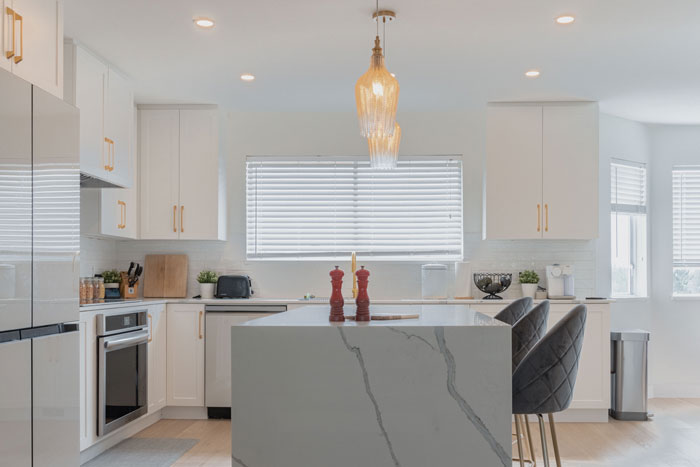
Get a Free Renovation Quote
Metro Vancouver’s trusted general contractors. Free consultations across Vancouver, Burnaby, Richmond, North Shore & beyond.
Get Your Free Quote →Ready to start your project? Vancouver General Contractors (VGC) provides free, fixed-price quotes for homeowners across Metro Vancouver. Learn more about our Kitsilano renovation contractor services or request a free quote today.
VGC serves East Vancouver and surrounding areas. View all renovation services in East Vancouver →
More Neighbourhood Guides Guides

Renovation in Ladner, Delta: Heritage Homes, Agricultural Land Reserve & Rural Properties
Renovation in Maple Ridge: Acreage Properties, Rural Permits & Typical Costs

Renovation in Lynn Valley, North Vancouver: Family Homes & Hillside Considerations

Renovation in Deep Cove, North Vancouver: Unique Character & Coastal Property Tips

Renovation in Oakridge & Cambie Village, Vancouver: Densifying Corridor Guide 2026
Ready to start your renovation?

Comments are closed