




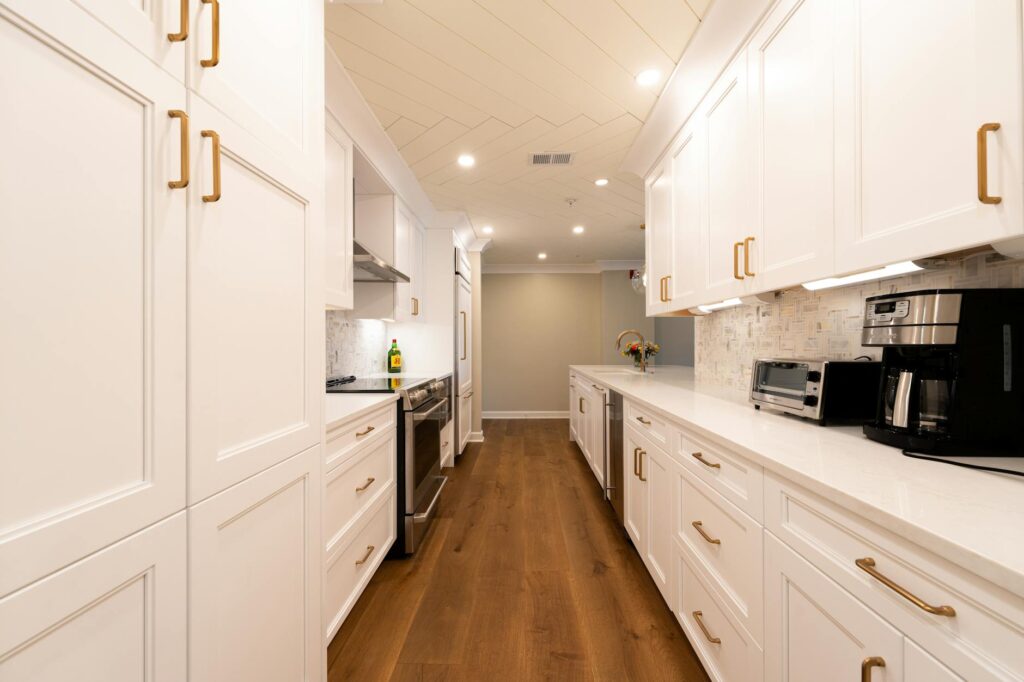
Galley Kitchen Renovation in Vancouver: Making the Most of a Narrow Kitchen Layout
If you’re a homeowner in Metro Vancouver researching Galley Kitchen Renovation in Vancouver: Making the Most of a Narrow Kitchen Layout, you’re in the right place. This in-depth guide covers everything you need to know — from realistic cost expectations and permitting requirements to step-by-step process guidance, contractor selection tips, and Vancouver-specific regulatory considerations. Whether you’re planning a project for next month or simply gathering information for the future, the details here reflect current 2026 market conditions across the City of Vancouver, Burnaby, North Vancouver, Richmond, Coquitlam, and the broader Metro Vancouver region.
Vancouver’s renovation market is unlike any other in Canada. Labour costs are higher, permit timelines are longer, and the complexity of local zoning regulations — from R1-1 zoning changes to heritage restrictions and secondary suite bylaws — means that projects here require more planning than similar work in other cities. At the same time, Vancouver’s extraordinary real estate values mean that a well-executed kitchen renovation can add disproportionate value to your home. This guide is designed to help you navigate that complexity with confidence.
Understanding the true scope of Galley Kitchen Renovation in Vancouver: Making the Most of a Narrow Kitchen Layout means going beyond the surface-level numbers you’ll find on national cost-estimator websites. Those tools don’t account for Vancouver’s premium labour rates (typically 25–40% higher than the national average), the specific material costs at Vancouver-area suppliers, or the impact of local building codes and permit fees. The figures and insights in this guide are drawn from our experience completing 500+ renovation projects across Metro Vancouver since 2010 — giving you a grounded, realistic picture of what this project actually involves.
One of the most common mistakes Vancouver homeowners make is underestimating both the cost and the timeline of kitchen renovation projects. A project that looks straightforward on paper often reveals hidden complexities during demo — old knob-and-tube wiring, substandard insulation, asbestos in older homes, or structural issues that weren’t visible during the planning phase. This is why experienced contractors always build a 15–20% contingency into renovation budgets, and why this guide dedicates significant space to the “unknowns” that commonly affect kitchen renovation projects in older Vancouver-area homes.
By the end of this guide, you’ll have a thorough understanding of the costs, process, timeline, and key decisions involved in Galley Kitchen Renovation in Vancouver: Making the Most of a Narrow Kitchen Layout. You’ll know what questions to ask contractors, what permits are likely required, what mistakes to avoid, and what a realistic outcome looks like for a property in Metro Vancouver. Let’s get into it.
What Galley Kitchen Renovation in Vancouver: Making the Most of a Narrow Kitchen Layout Actually Involves
Before diving into costs and timelines, it’s worth defining exactly what Galley Kitchen Renovation in Vancouver: Making the Most of a Narrow Kitchen Layout encompasses — because the scope can vary enormously depending on your home, your goals, and the specific municipality you’re in. At the broadest level, this type of project involves renovating the relevant areas of your home according to current building standards, your aesthetic preferences, and the applicable regulations under the BC Building Code and your municipality’s zoning bylaw.
In practical terms, a typical kitchen renovation in Metro Vancouver involves coordination between multiple trades: kitchen renovation contractor, framing carpenters, electricians, plumbers, HVAC technicians, tilers, painters, and finish carpenters. The sequence in which these trades work is critical — mistakes in sequencing lead to costly rework, delays, and sometimes permit inspection failures. A general contractor experienced in kitchen renovation manages this sequencing as part of their core service, which is one of the primary reasons homeowners hire them rather than self-managing individual subtrades.
The scope of your specific project will be defined early in the planning process, typically through a combination of a site visit, detailed drawings or plans, and a written scope-of-work document. This document becomes the basis for your permit application (where required), your contractor agreements, and your project budget. Skipping or rushing this planning stage is one of the most reliable predictors of project overruns in Metro Vancouver’s renovation market.
Kitchen renovations that involve moving walls, changing plumbing locations, or adding electrical circuits require a building permit from your municipality. This has significant implications for your timeline and budget. Permit fees in Metro Vancouver range from a few hundred dollars for simple projects to several thousand for major structural work. More importantly, the time required to obtain permits — typically 4–12 weeks depending on the municipality and complexity — needs to be factored into your overall project timeline from day one. Projects that skip required permits face significant consequences at resale: unpermitted work must either be disclosed (reducing buyer confidence and sale price) or legalized through an “after-the-fact” permit process that’s considerably more expensive and time-consuming than getting permits done correctly upfront.
Another aspect of kitchen renovation that Vancouver homeowners often underestimate is the disruption to daily life during construction. Depending on the scope and which rooms are affected, you may need to make alternative arrangements for cooking, bathroom use, or even temporary accommodation. A good general contractor will provide a realistic picture of disruption timelines before work begins and will structure the project schedule to minimize the impact on your family — but some level of inconvenience is inevitable with any substantive renovation project.
Finally, it’s important to understand that kitchen renovation in Vancouver involves layers of regulatory compliance that don’t exist in many other cities. BC’s Building Code requires specific standards for insulation (particularly relevant given Vancouver’s energy step code requirements), fire separation between suites, structural loads, and more. Meeting these standards isn’t optional — they protect your family’s safety and ensure your home’s systems perform as expected for decades. A licensed contractor who regularly works in Metro Vancouver will be well-versed in these requirements and will build them into the project plan from the start.
Complete Cost Breakdown for Metro Vancouver (2026)
The single most common question homeowners ask about Galley Kitchen Renovation in Vancouver: Making the Most of a Narrow Kitchen Layout is: “How much will it cost?” The honest answer is that costs vary significantly based on scope, materials, contractor availability, and specific site conditions — but understanding the typical cost ranges for Metro Vancouver helps you set a realistic budget and evaluate contractor quotes. The figures below reflect current 2026 market conditions and represent typical projects across the Metro Vancouver region.
| Cost Item | Typical Range (Metro Vancouver) | Notes |
|---|---|---|
| Cosmetic refresh (paint, hardware, backsplash) | $8,000 – $18,000 | No structural or plumbing changes |
| Cabinet replacement (stock/semi-custom) | $25,000 – $45,000 | New cabinets, countertops, sink, basic appliances |
| Mid-range kitchen renovation | $45,000 – $75,000 | Custom cabinets, quartz countertops, new flooring, upgraded appliances |
| High-end kitchen renovation | $80,000 – $150,000+ | Custom cabinetry, premium appliances, structural changes, island |
| Permit fees (where required) | $800 – $2,500 | City of Vancouver or municipality building permit |
| Design fees (kitchen designer) | $2,500 – $8,000 | Optional but recommended for full renovations |
| Contingency (recommended) | 15–20% of budget | For unexpected discoveries during demolition |
These figures reflect typical mid-range projects with standard-grade materials in Metro Vancouver. High-end projects using premium imported materials, complex structural work, or properties with challenging site access can push costs 30–60% above the ranges shown. Budget-conscious projects using builder-grade materials and straightforward scopes can come in at the lower end of the ranges — but in Vancouver’s market, very low quotes should raise questions about the contractor’s experience, licensing status, and what might be excluded from the scope.
Labour is typically the largest cost component in Metro Vancouver renovation projects, representing 40–55% of total project cost depending on the trade. Electrician rates run $95–$130/hour; licensed plumbers charge $110–$145/hour; tile setters command $65–$95/hour; and framing carpenters range from $55–$85/hour depending on experience and availability. These rates have increased by 18–25% since 2020 and are expected to continue rising modestly through 2026–2027 due to the ongoing skilled trades shortage in BC.
One cost that homeowners consistently underestimate is the “soft costs” associated with renovation projects: permit fees (typically $800–$4,500 in Metro Vancouver depending on project value), engineering fees if structural work is involved ($1,500–$6,000), design/architectural fees ($3,000–$15,000 for larger projects), and waste disposal ($400–$1,200 for a typical renovation). These costs typically add 8–15% to the contractor’s base quote and should be budgeted for explicitly rather than left as surprises.
The most important budgeting principle for any kitchen renovation project in Vancouver is the contingency budget. We recommend setting aside 15–20% of your total estimated cost for unexpected discoveries during demolition — which in older Metro Vancouver homes almost always includes something: outdated wiring requiring an electrical upgrade, old galvanized pipes that should be replaced while walls are open, subfloor damage from historical moisture issues, or structural surprises that need addressing. Homeowners who budget for contingencies report significantly less financial stress and better overall project outcomes than those who plan to the dollar.
7 Key Factors That Will Shape Your Galley Kitchen Renovation in Vancouver: Making the Most of a Narrow Kitchen Layout Project
Every kitchen renovation project in Metro Vancouver is shaped by a combination of factors that interact to determine final cost, timeline, and outcome. Understanding these factors — and how they apply to your specific property and goals — is essential for making well-informed decisions before and during the project.
1. Layout change vs. cosmetic update
Whether your kitchen renovation stays within the existing layout or changes it fundamentally determines permit requirements, trade involvement, and cost more than almost any other factor. Keeping the sink, dishwasher, and range in their existing locations avoids new plumbing rough-ins (saving $4,000–$8,000) and often eliminates the need for a building permit. Moving plumbing across the room or relocating a gas line adds significant cost and permit timelines.
2. Cabinet grade: IKEA/RTA vs. semi-custom vs. custom
Cabinetry is typically the largest single cost item in a kitchen renovation. IKEA SEKTION with installation: $180–$320/linear foot. Semi-custom cabinets (local dealers): $350–$600/linear foot. Fully custom cabinets (local cabinet makers): $650–$1,200+/linear foot. The difference in durability and longevity between these tiers is significant — but for many homeowners, semi-custom offers the best balance of quality, customization, and cost.
3. Appliance selection: consumer vs. professional grade
Appliance costs range from $3,000 for a full consumer-grade set to $25,000+ for professional-grade ranges, integrated refrigerators, and panel-ready dishwashers. Beyond purchase price, pro-grade appliances often require upgraded electrical (240V circuits, 50A breakers), gas line modifications, and specialized ventilation — all adding to total project cost. Plan appliance selection before finalizing the design to ensure electrical and plumbing rough-ins are sized correctly.
4. Material lead times: custom countertops and specialty items
Custom quartz countertops take 3–5 weeks from template to installation after cabinets are set. Custom tile orders can take 4–8 weeks. Specialty appliances may have 6–14 week lead times. The critical point: countertop templates must be taken AFTER cabinets are installed and levelled — ordering before this step is a common mistake that leads to fitting problems. All long-lead materials must be ordered immediately after contract signing.
5. Permit triggers: structural work, gas lines, plumbing
Kitchen renovations most commonly trigger permit requirements when: (1) a load-bearing wall is removed to create an open concept; (2) a gas range or gas line is added where none existed; (3) the sink or dishwasher plumbing is relocated to a new position; or (4) new electrical circuits are added. In the City of Vancouver, any of these triggers require a building permit. Many Vancouver kitchens have load-bearing walls — confirm structural status with an engineer before demo.
6. Contractor timing and seasonal availability
Kitchen renovation contractors in Metro Vancouver are typically booked 3–5 months in advance during peak season (March–August). Fall and winter (September–February) typically offer 2–4 week shorter lead times and sometimes better pricing. The trade-off: if your project requires exterior penetrations (new range hood venting, window additions), fall/winter scheduling creates weather-related challenges. Plan your start date at least 4 months ahead to access the best contractors.
7. Hidden structural conditions behind existing kitchens
Kitchen walls in Metro Vancouver homes built before 1990 frequently contain surprises: load-bearing walls identified mid-demo, cast-iron waste stack that must be rerouted, asbestos in floor tile adhesive, knob-and-tube wiring discovered behind cabinets, or galvanized supply lines that should be replaced while walls are open. Budget $3,000–$6,000 as a kitchen-specific contingency on pre-1980 homes and discuss how your contractor handles scope changes when these discoveries occur.
The Step-by-Step Galley Kitchen Renovation in Vancouver: Making the Most of a Narrow Kitchen Layout Process
Understanding the typical sequence of events in a kitchen renovation project helps you stay oriented, ask the right questions at each stage, and catch potential problems before they become costly mistakes. While every project has unique elements, the following process reflects how experienced general contractors approach kitchen renovation work in Metro Vancouver:
- Define your kitchen wishlist and non-negotiables
List your must-haves (more storage, new appliances, better lighting), nice-to-haves (island, open concept, wine fridge), and absolute no-ways (moving the sink across the room, full structural changes). This helps contractors tailor quotes to your actual priorities rather than presenting maximum-scope options. - Consult a kitchen designer
Kitchen designers charge $100–$200/hour or $2,000–$6,000 for a full project. For mid-range to high-end renovations, this investment pays for itself through better space utilization, material coordination, and fewer contractor revisions. For budget projects, your contractor’s in-house design capability may be sufficient. - Get 3 contractor quotes with identical scope
Ensure all contractors are quoting the same cabinet grade, countertop material, and scope of plumbing and electrical work. Mismatched scopes make quotes incomparable. A good scope document from your designer eliminates most of this ambiguity. - Finalize all material selections before signing the contract
Cabinet style, countertop material and edge profile, tile, backsplash, sink, faucet, hardware, and flooring should all be selected before signing. Post-contract material changes trigger change orders and can add 10–20% to the final cost. - Order cabinets and long-lead materials immediately after contract signing
Custom and semi-custom cabinets take 8–14 weeks. Order them the same week you sign your contract. Specialty appliances: 6–14 weeks. Countertop template (quartz/granite): happens AFTER cabinets are installed and levelled — plan this into your schedule explicitly. - Demolition and rough-in phase
Demo of existing cabinets, tile, and flooring is followed by rough-in plumbing (if locations are changing), rough-in electrical (new circuits for appliances, under-cabinet lighting, dedicated outlets), and structural work (if walls are moving). Each rough-in requires inspection before walls close. - Cabinet installation
Cabinets go in after drywall is complete and painted. Upper cabinets first, then lowers. Levelling is critical — even 3–4mm of variance creates visible problems with countertop gaps and door alignment. Spend extra time on this phase; rushing cabinet installation creates problems in all subsequent phases. - Countertop template and installation
The countertop fabricator takes precise measurements (template) after all base cabinets are installed and levelled. Template-to-installation takes 2–3 weeks for quartz, 3–5 weeks for natural stone. Don’t rush this — countertops are a major visual element and mistakes are extremely expensive to fix. - Tile, fixtures, appliances, and finishing
Backsplash tile goes in after countertops. Appliances install after tile. Electrical fixtures, plumbing connections, and hardware complete the installation. This phase moves quickly — most kitchens complete this phase in 1–2 weeks. - Final inspection, deficiency list, and handover
Walk through the completed kitchen with your contractor and document any deficiencies: scratches, imperfect caulk lines, cabinet adjustments needed, appliance function verification. Address these before making final payment. Obtain warranty documentation and appliance manuals.
How to Choose the Right Contractor for Galley Kitchen Renovation in Vancouver: Making the Most of a Narrow Kitchen Layout
Contractor selection is arguably the single most important decision you’ll make for your kitchen renovation project. The right contractor brings experience, licensing, proper insurance, reliable subtrade relationships, and transparent communication to your project. The wrong one can turn what should be a positive transformation into a prolonged nightmare involving disputes, cost overruns, poor workmanship, and legal complications. In Metro Vancouver’s busy renovation market, where demand for skilled contractors consistently outstrips supply, due diligence before hiring is essential.
Start by verifying the contractor’s licensing. In BC, general contractors who do work over $10,000 must be registered with the BC HomeOwner Protection Office (HPO) if they build new homes, but renovation contractors don’t have a specific provincial licensing requirement beyond business registration. However, their subtrades (electricians, plumbers, gas fitters, HVAC technicians) must be licensed by their respective regulatory bodies. Ask for BC Safety Authority (BCSA) numbers for electrical and gas work, and confirm that plumbers hold a Certificate of Qualification. Any contractor who can’t provide these on request is a red flag.
Beyond licensing, look for contractors who specialize in kitchen renovation specifically — not just “general renovation.” Ask for three references from projects similar to yours, completed in the past two years, and actually call them. Ask past clients specifically about: whether the project came in on budget, how the contractor handled unexpected issues, whether the site was kept clean and safe, and whether they’d hire them again without hesitation. These questions reveal far more than any online review.
Ensure your contract includes a detailed scope of work, a payment schedule tied to project milestones (not dates), a warranty provision (minimum 2 years on labour in BC), and a process for handling change orders. A written contract protects both parties and creates accountability at every stage of the project. Vancouver General Contractors provides all of this as standard practice — and we encourage you to hold every contractor you consider to the same standard.
5 Common Mistakes Vancouver Homeowners Make with Galley Kitchen Renovation in Vancouver: Making the Most of a Narrow Kitchen Layout
After completing hundreds of kitchen renovation projects across Metro Vancouver, our team has seen the same avoidable mistakes occur repeatedly. Understanding these pitfalls in advance can save you thousands of dollars, weeks of delays, and significant frustration.
Ordering countertops before cabinets are installed and levelled
This is the single most common and most avoidable kitchen renovation mistake. Countertop fabricators must template (measure) AFTER base cabinets are fully installed and levelled. Ordering countertops based on design drawings — before cabinets are in place — virtually always results in fitting problems. The correct sequence: sign contract → order cabinets → install cabinets → template countertops → fabricate → install countertops. Any shortcut in this sequence creates expensive problems.
Skipping a dedicated 20-amp circuit for the refrigerator
Vancouver’s Electrical Code requires a dedicated 20-amp circuit for refrigerators. Many kitchen renovations in older homes skip this requirement. The consequences: overloaded circuits that trip repeatedly, potential safety issues with overheating, and a failed electrical inspection if the permit is later discovered. If your kitchen renovation involves any electrical work, confirm that the refrigerator circuit is addressed.
Not coordinating upper cabinet depth with range hood height
Standard upper cabinets are 30cm (12″) deep. Range hoods require a specific distance from the cooking surface (typically 66–76cm above the cooktop). When upper cabinets on either side of the range are the same depth as the hood and terminate too close to it, the hood blocks light and ventilation performance. This coordination issue must be resolved in the design drawings, not discovered after cabinets are installed.
Choosing recirculating range hood over ducted exterior venting
Recirculating (ductless) range hoods filter odours through charcoal filters but do not remove heat or moisture from the kitchen. In Vancouver’s cooking culture — where wok cooking, high-heat cooking, and curry are common — a recirculating hood is a significant functional compromise. Ducted exterior venting ($800–$2,000 incremental cost for the ductwork run) dramatically outperforms recirculating in air quality and condensation management.
Making tile and backsplash selections from a phone screen
Tile colours, patterns, and finishes look different in photographs than they do at full scale in your actual kitchen. Before committing to tile, obtain physical samples and view them in your space under your actual lighting conditions at different times of day. The $50 refundable sample fee that prevents a $3,000–$6,000 backsplash you hate is always worth it.
Vancouver-Specific Considerations for Galley Kitchen Renovation in Vancouver: Making the Most of a Narrow Kitchen Layout
Metro Vancouver presents a unique combination of regulatory requirements, housing stock characteristics, and market conditions that make renovation projects here genuinely different from those in other Canadian cities. If you’re working with a contractor who doesn’t regularly work in this market, they may not be aware of requirements that significantly affect your project’s scope, cost, and timeline. This section outlines the key Vancouver-specific factors you need to understand before proceeding.
The City of Vancouver’s building permit process is managed by the Development, Buildings and Licensing (DBL) department. Standard residential building permits are processed in 4–10 weeks for straightforward applications; however, projects involving heritage-listed properties, rezoning applications, development permits, or complex structural work can take 3–12 months. Burnaby, Richmond, North Vancouver, and Coquitlam each have their own building departments with distinct processes and timelines. The most important advice we give homeowners: start the permit process as early as possible, and don’t assume approval will be quick based on the project’s simplicity from your perspective.
BC’s Energy Step Code is increasingly relevant to renovation projects in Metro Vancouver. While Step Code compliance was initially focused on new construction, it now affects certain renovation projects — particularly those that disturb more than 25% of the building envelope (exterior walls, roof, foundation). Step Code compliance requires higher R-values for insulation, improved airtightness, and better window performance than older standards required. If your project involves significant envelope work, discuss Step Code requirements with your contractor early — the additional cost is typically $3,000–$12,000 but can significantly improve your home’s comfort and energy efficiency.
Finally, Vancouver’s housing stock presents challenges that don’t exist in newer suburban markets. Homes built before 1980 may contain asbestos-containing materials (ACMs) in floor tiles, textured ceiling finishes, pipe insulation, and roofing. BC regulations require that ACMs be tested and, if present, removed by a licensed asbestos abatement contractor before being disturbed. Asbestos testing costs $400–$800; abatement ranges from $2,000 (minor amounts) to $15,000+ for extensive contamination. Budget for asbestos testing in any pre-1980 Metro Vancouver home before finalizing your project cost estimates — it’s better to know upfront than to be surprised mid-demo.
Project Timeline & Planning Guide for Galley Kitchen Renovation in Vancouver: Making the Most of a Narrow Kitchen Layout
One of the most frequent sources of homeowner frustration in Metro Vancouver renovation projects is unrealistic timeline expectations. Vancouver’s busy renovation market, extended permit approval windows, and the inherent unpredictability of construction work all mean that projects frequently take longer than initially estimated. Here’s a realistic breakdown of what to expect at each phase:
| Phase | Typical Duration | What Happens |
|---|---|---|
| Planning, design, and material selections | 4–8 weeks | Design, contractor consultations, cabinet/tile/counter selections |
| Permit application and approval (if required) | 4–10 weeks | Required if structural, gas, or plumbing work involved |
| Cabinet and long-lead material ordering | 8–14 weeks (concurrent with permits) | Order immediately after contract signing |
| Demolition | 3–5 days | Remove existing cabinets, flooring, tile, appliances |
| Rough-in trades: plumbing, electrical, structural | 1–2 weeks | New circuits, plumbing relocations, wall framing changes |
| Rough-in inspections | 3–7 days | Electrical and plumbing inspections before drywall |
| Drywall and painting | 1–2 weeks | Hang, tape, mud, sand, prime, paint |
| Cabinet installation + countertop template | 3–5 days + 2–3 weeks wait | Template taken after cabinets levelled; countertop fabrication 2–3 weeks |
| Tile, appliances, fixtures, and hardware | 1–2 weeks | Backsplash tile, appliance connections, plumbing trim, hardware |
| Total (typical range) | 3–6 months | From first contractor consultation to project completion |
The total timeline from decision to move-back-in for a typical kitchen renovation project in Metro Vancouver ranges from 3–4 months for smaller, straightforward projects to 9–14 months for larger, more complex work involving permits, engineering, and multiple trades. Homeowners who engage a contractor early in the process — ideally 3–4 months before their target start date — have consistently better outcomes than those who try to compress the planning phase.
One timeline factor that surprises many Vancouver homeowners is the time required to source materials. Custom cabinets, specialty tiles, imported fixtures, and engineered windows can have lead times of 8–16 weeks from order to delivery. For this reason, design decisions — especially for kitchen and bathroom renovations — must be made during the planning phase, not after construction begins. Waiting to select your countertop or tile after demo is completed almost always extends your project timeline and can increase costs if the delay cascades to other trades.
Return on Investment: Is Galley Kitchen Renovation in Vancouver: Making the Most of a Narrow Kitchen Layout Worth It in Vancouver?
In Vancouver’s real estate market — where detached homes regularly trade at $1.5–$3M and even condos command $700K–$1.2M — renovation ROI calculations look very different than they do in other Canadian cities. The simple reality is that the base cost of real estate is so high that improving the quality of your existing home is often more financially sound than moving to achieve a better result. Understanding the specific ROI dynamics of Galley Kitchen Renovation in Vancouver: Making the Most of a Narrow Kitchen Layout helps you make that decision with confidence.
According to real estate appraisal data and our experience working with Vancouver homeowners who subsequently sell, kitchen renovation projects in Metro Vancouver recover approximately 65–80% of their cost at resale — making it one of the highest-ROI renovation investments in Metro Vancouver. While this doesn’t represent a dollar-for-dollar return on your renovation investment, it’s important to recognize that the remaining value was recaptured in quality of life — in daily comfort, functionality, and enjoyment of your home during the years between renovation and sale.
Beyond direct resale ROI, certain types of renovation — particularly secondary suites, laneway houses, and energy-efficiency upgrades — generate ongoing financial returns through rental income or reduced energy costs. A legal secondary suite in Metro Vancouver generating $2,400/month in rental income represents $28,800/year in pre-tax income — which, over a 7-year horizon, delivers far more financial value than any simple resale ROI calculation captures. When evaluating the financial case for your kitchen renovation project, consider both the direct resale value improvement and any income generation or operating-cost savings the renovation enables.
Finally, consider the cost of the alternative. In Metro Vancouver’s 2026 market, moving to a larger or better-configured home typically involves $80,000–$150,000 in transaction costs alone (realtor commissions, legal fees, property transfer tax, moving costs). When viewed against that benchmark, the cost of improving your existing home — even at less than 100% ROI — often represents the more financially sound decision.
More Kitchen Renovations Guides

Shaker vs. Flat-Front Kitchen Cabinets in Vancouver: Style, Cost, and Resale Comparison

Undermount vs. Top-Mount Kitchen Sink in Vancouver: Pros, Cons, and Cost Comparison

Hardwood vs. LVP Kitchen Flooring in Vancouver: Which is Better?
Custom vs. Semi-Custom Kitchen Cabinets in Vancouver: Complete Comparison Guide
Kitchen Renovation in Langley: Township and City Permit Guide for 2026
Ready to start your renovation?
Frequently Asked Questions: Galley Kitchen Renovation in Vancouver: Making the Most of a Narrow Kitchen Layout
How much does a kitchen renovation cost in Vancouver in 2026?
In Metro Vancouver, kitchen renovation costs range from $8,000–$18,000 for a cosmetic refresh to $45,000–$75,000 for a mid-range renovation with new cabinets, countertops, and flooring. High-end kitchen renovations with custom cabinetry, premium appliances, and structural changes run $80,000–$150,000+. These figures are consistent with our project experience and current Vancouver labour rates ($85–$130/hour for skilled contractors).
How long does a kitchen renovation take in Metro Vancouver?
A standard kitchen renovation in Metro Vancouver takes 3–6 months from first contractor consultation to project completion. Construction phase only (after permits and materials are in place): 3–6 weeks for a standard renovation, 6–10 weeks for a complex project with structural work. The biggest sources of timeline delay are: permit approval (4–10 weeks), custom cabinet lead times (8–14 weeks), and countertop fabrication (3–5 weeks after cabinet installation).
Do I need a permit for a kitchen renovation in Vancouver?
Permits are required if your kitchen renovation involves: moving the sink or dishwasher drain location, adding a gas range where there wasn’t one, removing or modifying a wall (especially load-bearing), or adding new electrical circuits. Purely cosmetic work — new cabinets in existing positions, countertop replacement, backsplash, flooring — generally doesn’t require a permit. When in doubt, confirm with your municipality’s building department or ask your contractor.
What’s the best time to renovate a kitchen in Vancouver?
Fall and winter (October–February) offer two practical advantages for Metro Vancouver kitchen renovations: better contractor availability (spring and summer are oversubscribed) and shorter permit processing times. The trade-off: if your renovation requires any exterior work (new range hood vent penetrations, window additions), wet weather can be a factor. For purely interior kitchen renovations, fall/winter is the optimal scheduling window.
Should I choose IKEA, semi-custom, or custom cabinets?
IKEA SEKTION (installed): $180–$320/linear foot — best value for tight budgets, limited custom options, requires IKEA-specific installation knowledge. Semi-custom (dealer brands like KraftMaid, Fabuwood, or local manufacturers): $350–$600/linear foot — significant customization, good quality, 6–10 week lead time. Fully custom (local cabinet makers): $650–$1,200+/linear foot — unlimited customization, best quality, 10–16 week lead time. Our recommendation: semi-custom for most Metro Vancouver budgets; fully custom for high-end projects where specific dimensions or materials are required.
Can I live in my home during a kitchen renovation?
Most Metro Vancouver homeowners live in their homes during kitchen renovations, accepting temporary kitchen inconvenience (microwave, mini-fridge, electric skillet) in exchange for avoiding accommodation costs ($100–$200/day). Demo and rough-in phases are the most disruptive: expect 3–5 days of significant dust and noise, followed by 2–3 weeks of limited function before the new kitchen comes together. Most kitchens are back in partial use within 4–5 weeks of construction starting.
What appliances should I prioritize in a kitchen renovation budget?
Prioritize the appliances you use most. For most Metro Vancouver families: range/cooktop ($1,500–$6,000 — most visible and most-used), refrigerator ($2,000–$8,000 — consider counter-depth for a cleaner look), and dishwasher ($800–$2,500). Range hood is often underbudgeted: a ducted hood with at least 400 CFM capacity is strongly recommended for Vancouver’s cooking styles ($600–$2,500 for the hood plus $800–$2,000 for ducting). Microwave-over-range units save counter space; integrated dishwashers and refrigerators add cost but improve visual continuity.
What’s the most common kitchen renovation regret among Vancouver homeowners?
In our experience completing 100+ Metro Vancouver kitchen renovations, the most common regrets are: (1) not opening up the layout enough while they had the opportunity (“we should have moved that wall”), (2) under-specifying storage — particularly for pantry space and corner solutions, (3) choosing grout colour without testing in the actual space, (4) not including a dedicated recycling and composting station in the design, and (5) underestimating how much they would use the island as a workspace (size it larger than you think you need).
Ready to Move Forward with Your Galley Kitchen Renovation in Vancouver: Making the Most of a Narrow Kitchen Layout Project?
Galley Kitchen Renovation in Vancouver: Making the Most of a Narrow Kitchen Layout is one of the most meaningful investments you can make in your Metro Vancouver home — both in terms of daily quality of life and long-term financial value. Like any significant project, the key to a successful outcome is thorough planning, clear communication with your contractor, realistic expectations about cost and timeline, and the right team to execute the work.
Vancouver General Contractors has been completing renovation projects across Metro Vancouver since 2010. Our team of licensed contractors, project managers, and renovation specialists brings genuine expertise to every project — from initial consultation and permit applications through to final inspections and project handover. We’ve helped hundreds of Vancouver homeowners through projects like the one described in this guide, and we understand the specific challenges, regulations, and opportunities that come with renovating in this market.
If you’re ready to move forward with your kitchen renovation project, or simply want a professional assessment of your options, we’d love to hear from you. Contact Vancouver General Contractors for a free consultation — we’ll help you understand what’s achievable within your budget, which permits you’ll need, and what realistic timelines look like for your specific project. Let’s build something great together.

Comments are closed