





Grandview-Woodland Renovation Guide: Character Homes, Costs & Commercial Drive (2026)
Grandview-Woodland is one of Vancouver’s most genuinely distinctive neighbourhoods — a place where century-old Craftsman bungalows share blocks with organic grocery co-ops, where the espresso is excellent, and where residents carry a fierce, quiet pride in having chosen a neighbourhood that resists the polished uniformity creeping across the rest of the city. If you own a home here, or you’re planning to buy one, you already understand what makes Grandview-Woodland worth fighting for. And you probably also understand that renovating a 1912 Edwardian foursquare requires a fundamentally different conversation than renovating a 1998 townhouse in Burnaby.
This guide covers everything homeowners in Grandview-Woodland need to know about renovating — from the specific quirks of early-twentieth-century construction to RT-5 zoning rules, heritage character area guidelines, basement suite legalization, garden suites, and what it actually costs to do things properly. We’ll also be direct about the decisions that matter most: when to restore original materials, when to replace them, and how to find a contractor who understands the difference between preserving character and demolishing it.
Why Grandview-Woodland Is a Renovation Hotspot
Grandview-Woodland’s renovation activity is driven by a convergence of factors that don’t exist anywhere else in Vancouver in quite the same combination. The neighbourhood contains some of the city’s oldest surviving residential housing stock — homes built between 1905 and 1940 in an era when craftsmen took pride in millwork that would outlast them by a century. Many of those homes are still standing, still largely intact, and in many cases still occupied by families who bought them decades ago and are now weighing a substantial renovation or a sale.
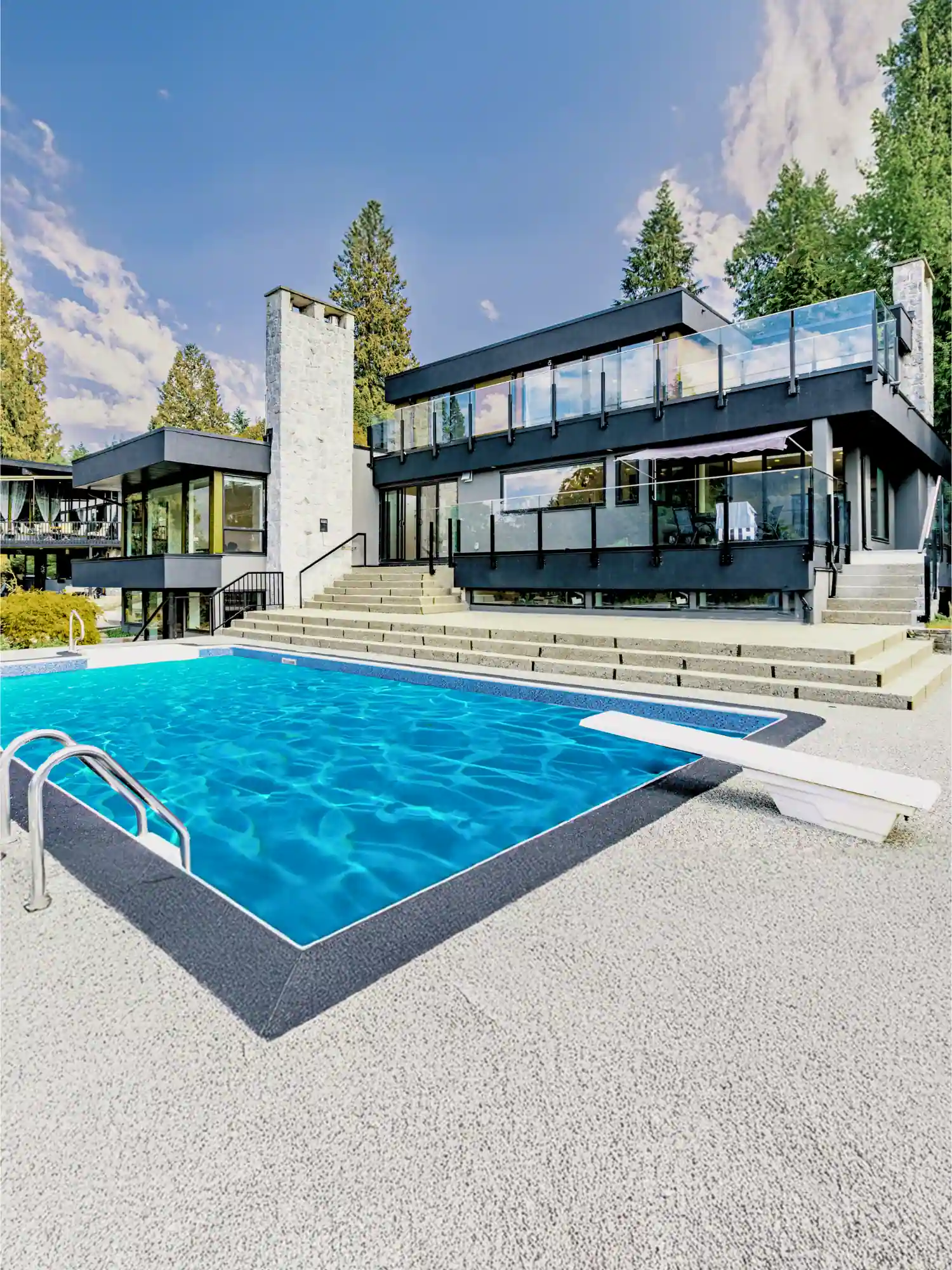
Grandview-Woodland's residential fabric represents almost forty years of continuous early-twentieth-century construction, which means you'll find considerable variety even on the same block
Vancouver General Contractors
At the same time, Grandview-Woodland is under significant gentrification pressure. The neighbourhood known as “the Drive” — centred on Commercial Drive from Venables to Graveley and beyond — has transformed over the past two decades from a working-class Italian and Portuguese enclave into one of Vancouver’s most coveted addresses. The two SkyTrain stations serving the area — Commercial-Broadway (the busiest station in the TransLink system) and Nanaimo — make this neighbourhood exceptionally transit-connected. Houses here sell for $1.2M to $2.0M, sometimes more for corner lots or fully renovated character homes, and values have appreciated steadily even as the broader market has fluctuated.
This combination — a large inventory of aging character homes, strong values, motivated buyers who specifically seek out original details, and a community ethos that rewards restoration over demolition — makes Grandview-Woodland one of the most active renovation markets in the city. Homeowners here are investing in their properties not just for resale value but because they care about the neighbourhood’s physical character, and because the homes themselves reward that investment.
The renovation market here is also shaped by the neighbourhood’s character preservation ethic. Unlike some Vancouver neighbourhoods where teardowns and contemporary glass boxes are celebrated, Grandview-Woodland residents generally resist the erasure of original homes. Heritage character area overlays in parts of the neighbourhood formalize this, but even outside protected areas the community culture tends to reward renovation over replacement. Buyers at the top of the market are specifically looking for homes with original old-growth fir floors, intact built-ins, and period millwork — and they’re willing to pay a meaningful premium for them.
Understanding the Housing Stock: What You’re Working With
Grandview-Woodland’s residential fabric represents almost forty years of continuous early-twentieth-century construction, which means you’ll find considerable variety even on the same block. Understanding which era your home comes from shapes every decision you’ll make about renovation strategy.
Edwardian Foursquares (1905–1915) are the oldest and in many ways the most impressive homes in the neighbourhood. These are the large, boxy two-and-a-half storey houses with hipped or cross-hipped roofs, generous front porches, and symmetrical facades. Inside, you’ll typically find high ceilings (9 to 10 feet on the main floor), plaster walls, original fir floors throughout, substantial baseboards and casing, built-in buffets in the dining rooms, and sometimes original wainscoting. The Edwardian foursquare was built to house a large family comfortably, which means the floor plans have a logic and generosity that holds up well today. Many have already had upper floors converted to suites or secondary accommodation.
Craftsman Bungalows (1915–1935) are the most common typology in the neighbourhood — one-and-a-half storey homes with deep overhanging eaves, exposed rafter tails, tapered porch columns on stone or brick piers, and a strong connection between the front porch and the street. The Craftsman interior is characterized by built-in bookcases, window seats, plate rails, and an integrated approach to woodwork that is almost impossible to replicate cost-effectively today. The sleeping loft or half-storey typically has lower ceilings and dormers, which affects livability and renovation scope.
Character homes with box bay windows — a particular local variant common in the late 1920s and early 1930s — are recognizable by their projecting bays at the front, often with original single-pane leaded or divided-light windows. These windows are a defining feature of the streetscape and, in heritage character areas, their replacement is regulated. Original millwork in these homes includes elaborate built-in china cabinets, sometimes with leaded glass doors.
Wartime and postwar infill (1940s–1950s) is also present in Grandview-Woodland, though in smaller proportion than in some other east-side neighbourhoods. These homes are simpler — lower ceilings, less ornate millwork — and often represent the most economical entry point into the neighbourhood. They’re also frequently the properties where the greatest transformation is possible through renovation.
Lots in Grandview-Woodland are typically 33 feet wide by 100 to 120 feet deep, following the city’s standard pre-war subdivision pattern. RT-5 zoning — which covers most of the residential blocks — allows two-family use, making the standard 33×100 lot potentially more productive than the same lot under RS-1 (single-family) zoning. Some blocks have slightly larger lots at 36 or 40 feet wide, and these are particularly valuable for laneway house feasibility.
Renovation Cost Overview for Grandview-Woodland
Renovation costs in Grandview-Woodland reflect both the broader Vancouver construction market and the specific requirements of older character homes. Working in a 1918 Craftsman bungalows is not the same as working in a 2005 frame house — the materials are denser, the systems are older, the subfloor isn’t level, and surprises are a certainty rather than a risk. The ranges below reflect that reality and represent work done to a quality level appropriate for this market.
| Project Type | Typical Cost Range | Notes |
|---|---|---|
| Kitchen renovation | $40,000 – $100,000 | Mid-range to full custom; custom cabinets add $15K–$30K over stock |
| Bathroom renovation | $20,000 – $55,000 | Higher end for vintage-appropriate tile, claw-foot tub, custom vanity |
| Basement suite creation | $65,000 – $100,000 | Includes egress, bathroom, kitchen, electrical, permits |
| Suite legalization (existing) | $30,000 – $65,000 | Bringing existing informal suite to code |
| Character home full renovation | $175,000 – $360,000 | Main floor + basement + exterior; preserving original features |
| Duplex conversion | $80,000 – $140,000 | RT-5 two-family conversion including suite separation |
| Laneway house | $270,000 – $430,000 | Full build; lot feasibility assessment essential first |
| Garden suite | $200,000 – $380,000 | Detached or semi-detached; development permit required |
| Exterior restoration | $30,000 – $65,000 | Siding, windows (heritage-appropriate), porch, trim |
| Knob-and-tube wiring replacement | $18,000 – $35,000 | Full rewire; may require plaster repair afterward |
| Fir floor restoration | $8,000 – $18,000 | Sand, repair, stain, finish; depends on condition and area |
A note on contingency: in Grandview-Woodland homes built before 1940, we recommend budgeting a 20–25% contingency rather than the standard 10–15%. This isn’t pessimism — it reflects the reality that opening walls in a 1920 home will consistently reveal things that couldn’t have been anticipated. Knob-and-tube wiring behind plaster, galvanized drain lines that fail when disturbed, original wood framing with notches cut for long-gone pipes, and varying subfloor conditions are not unusual surprises; they’re expected discoveries. A contractor who scopes work without acknowledging this reality is either inexperienced with old homes or not being honest with you.
For a detailed cost breakdown tailored to your specific project, our Vancouver Renovation Guide provides current pricing across all project types, or you can contact our team for a consultation specific to your home.
Heritage Character Areas: What They Mean for Your Renovation
Parts of Grandview-Woodland fall within Heritage Character Areas (HCAs), and portions of the neighbourhood carry RT-5N zoning with associated Infill Design Guidelines. Understanding whether your property is affected — and what that means practically — is essential before starting any exterior work.
First, an important clarification: Heritage Character Area designation is not the same as formal heritage designation of an individual building. HCAs regulate the character of the neighbourhood as a whole, focusing primarily on exterior appearance, rather than preserving specific buildings at the level of a heritage registry listing. This distinction matters because HCA restrictions are meaningful but not overwhelming — they shape exterior decisions without typically preventing renovation altogether.
In practice, HCA and RT-5N guidelines in Grandview-Woodland affect the following types of work:
- Window replacement: New windows in character-defining facades must typically match the original configuration — same number of panes, same sightline proportions, similar sill and jamb profiles. Double-hung wood or fibreglass-clad windows are generally approvable; vinyl sliders in a single-pane casement opening typically are not.
- Siding replacement: Original wood siding should be repaired rather than replaced where possible. Where replacement is necessary, the replacement material should match the original profile. Smooth-finish fibre cement (e.g., HardiePlank) in the original exposure is generally acceptable; stucco over original lap siding is not.
- Additions and dormers: Secondary suites in rooflines (dormers) and rear additions are generally permitted but must meet design guidelines for massing, roof pitch, and material compatibility. A rear addition that reads as subordinate to the original structure is very different from one that dominates it.
- Porch alterations: Original front porches are significant character features. Enclosing or removing a porch on a character home in an HCA will typically require a development permit and may not be approvable.
- Infill in RT-5N areas: The Infill Design Guidelines for RT-5N areas regulate how laneway houses and garden suites relate to the principal dwelling and the lane in terms of height, massing, and materials.
If you’re unsure whether your property is in an HCA, the City of Vancouver’s online zoning and development map will tell you. Alternatively, any pre-application meeting with City planning staff will confirm the applicable overlays. For exterior work on character homes, we recommend a pre-application meeting with City planning before finalizing design — it costs nothing and can prevent expensive redesigns after permit submission.
The Edwardian and Craftsman Renovation: Original Materials and What to Do With Them
The most consequential decisions you’ll make in renovating a Grandview-Woodland character home involve the original materials — specifically whether to restore them, work around them, or replace them. In this neighbourhood, the premium buyers place on original materials is both real and substantial, and the decisions made during renovation will either increase or permanently reduce that value.
Old-growth Douglas fir floors are the most valuable original element in almost every Grandview-Woodland home. These are not the same product as the new-growth fir you can order today. Old-growth fir was harvested from trees that grew slowly over hundreds of years, producing extremely tight grain — sometimes 40 or more annual rings per inch — with hardness and stability that new-growth fir cannot match. Original fir floors in good condition are worth restoring, not replacing. A skilled floor finisher can sand out a surprising amount of damage, repair split boards and missing sections with matching material, and bring a 110-year-old floor back to a condition that is genuinely superior to anything you could install new. The cost of restoration ($8,000–$18,000 depending on area and condition) is substantially less than replacement and preserves an irreplaceable material. Avoid contractors who reflexively recommend replacement — they are either unfamiliar with fir restoration or trying to upsell you on something they can mark up.
Original built-in buffets, cabinets, and bookcases are the second most significant original element. These are furniture-quality pieces built on site by finish carpenters whose skills and time were devoted to work that would be prohibitively expensive to replicate today. An original built-in buffet with leaded glass doors, carved corbels, and original hardware represents craftsmanship that custom cabinetmakers today acknowledge they cannot match at any price point, because the labour hours simply aren’t available in the market. These pieces should be preserved and, where necessary, carefully restored. Refinishing, hardware replacement, and glass repair are all achievable. If a built-in is badly damaged, a skilled carpenter can replicate the original design using period-appropriate profiles — but this is expensive ($15,000–$30,000 for a dining room buffet) and should be done only when the original is genuinely beyond repair.
Plaster walls present a more nuanced decision. Original lime plaster in good condition is an excellent wall system — harder than drywall, with better sound attenuation and a subtler surface texture that holds paint and light differently. The decision to repair versus replace comes down to condition and cost. Hairline cracks in settled plaster can be repaired with minimal disturbance. Areas that have lost their key (the mechanical bond to the lath) are typically identified by a hollow sound when tapped, and these require more extensive repair. Full-scale plaster replacement — where walls are stripped to studs and re-drywalled — is sometimes the only practical option after a full electrical rewire, but it should be understood as a meaningful loss of character that will be noticed by discerning buyers.
Original windows in single-pane frames are almost universally present in unrestored Grandview-Woodland homes. The energy performance of single-pane windows is poor by modern standards, but the decision to replace them carries risks if you’re in an HCA or if the originals are in repairable condition. Heritage-appropriate replacement options include:
- Window restoration with secondary glazing: Original wood sashes restored and a secondary interior storm panel added. Achieves performance approaching double-pane without altering the exterior appearance.
- Custom wood replacement windows: Matching the original profile and divided-light configuration exactly. Expensive ($800–$1,500 per window installed) but approvable in HCAs and appropriate for high-quality restorations.
- Fibreglass-clad double-hung replacement windows: A middle ground that offers reasonable performance and appearance compatibility. Brands like Pella and Marvin make products specifically designed for character home replacement.
Knob-and-tube wiring is present in the majority of Grandview-Woodland homes built before 1935 and in some built as late as 1945. It is not automatically dangerous — properly installed and unmodified K&T in dry, uninsulated cavities can be technically adequate — but it presents practical problems. Insurance companies increasingly decline to cover or surcharge homes with K&T. It cannot be buried in insulation without creating a fire hazard. And any significant renovation involving wall opening will require the exposed circuits to be updated anyway. A full rewire in a Grandview-Woodland character home costs $18,000–$35,000, depending on the size of the home and the extent of plaster repair required afterward.
Galvanized steel water pipes are present in homes built before approximately 1950. Galvanized pipe corrodes from the inside out over decades, progressively narrowing the interior diameter and eventually failing, typically at fittings. If your water pressure is noticeably poor, galvanized supply lines are the likely cause. Repipe with copper or PEX — the cost is typically $12,000–$22,000 for a full repipe — and the work is most economical when done in conjunction with other projects that already open walls.
Basement Suite and Duplex Opportunity in Grandview-Woodland
One of the most compelling financial arguments for renovating rather than selling in Grandview-Woodland is the rental income potential enabled by RT-5 zoning. This is not a minor point — the difference between a legal, income-producing basement suite and an unimproved basement can represent $300,000 or more in property value and $24,000 or more per year in rental income at current market rates.
RT-5 zoning permits two-family dwellings — meaning a principal dwelling plus a secondary suite or a true duplex — along with laneway houses and, in some configurations, garden suites. This is more permissive than RS-1 (single-family) zoning, which limits secondary suite size more severely. In RT-5, a basement suite can be considerably larger and can function as a fully independent dwelling unit, which is exactly what renters in this neighbourhood want.
The rental market near Commercial Drive is among the strongest in Vancouver for a neighbourhood of its character. The proximity to two SkyTrain stations, the walkable neighbourhood retail environment, and the neighbourhood’s reputation as a destination rather than a transit corridor all support strong rental demand. Current market rents in Grandview-Woodland run approximately:
- Studio / bachelor suite: $1,500 – $1,900 per month
- One-bedroom suite: $1,800 – $2,400 per month
- Two-bedroom suite: $2,400 – $3,200 per month
- Laneway house (1BR): $2,200 – $2,800 per month
- Garden suite (1–2BR): $2,000 – $2,800 per month
The investment in basement suite legalization — typically $65,000–$100,000 for a new build-out, or $30,000–$65,000 to legalize an existing informal suite — generates rental income that pays back the investment in four to seven years at current rent levels, then continues generating income indefinitely while also increasing the property’s assessed and market value.
A note on existing informal suites: Grandview-Woodland has a substantial number of homes with basement suites that were created without permits and don’t meet current code requirements. These suites may have inadequate ceiling height, missing egress windows, insufficient electrical capacity, or bathroom ventilation problems. Legalizing an existing informal suite is almost always less expensive than building new, but it requires an honest assessment of how much of the existing work is usable. Our team has legalized many suites in east Vancouver character homes and can walk you through what a specific property’s suite would require — reach out for a consultation.
Permit Considerations: Development Permits, Building Permits, and Heritage Overlay
Navigating permits for a Grandview-Woodland renovation requires understanding which approvals apply to your specific property and project type. The permit landscape here is more layered than in a straightforward RS-1 neighbourhood, because of RT-5 zoning, Heritage Character Area overlays, and the City of Vancouver’s character home policies.
Building permits are required for virtually all structural work, new electrical and plumbing systems, and any alteration that affects the building’s occupancy or use. Interior renovations — kitchen and bathroom renovations, basement suite finishing, rewiring — typically require only a building permit, which is issued by the City’s Development, Buildings and Licensing department. Building permit applications are generally processed in four to twelve weeks for residential work, depending on completeness and current department workload.
Development permits are required for changes that affect a property’s land use, density, or exterior appearance in ways that require discretionary approval. In Grandview-Woodland, development permits are typically required for:
- New laneway houses or garden suites
- Additions that increase the building footprint or floor area beyond what’s permitted outright
- Exterior changes in Heritage Character Areas that don’t comply outright with the HCA guidelines
- Variance requests (e.g., setback relaxations for additions)
- Duplex conversion where the configuration requires discretionary approval
Development permit timelines are considerably longer — typically four to eight months for straightforward applications, and potentially longer for applications requiring community notification or that involve heritage character area guideline variances. If your renovation involves a development permit, factoring this timeline into your overall project schedule is essential. Starting the permit process early — even before finalizing construction drawings — can save months.
For RT-5N zoned properties, the Infill Design Guidelines apply to any new infill construction (laneway houses, garden suites) and to additions. These guidelines regulate building height, massing, setbacks, and materials, and they are administered by City planning staff who have considerable discretion. Applications that clearly follow the design guidelines proceed more smoothly; applications that push against the guidelines typically require pre-application consultation and may require revisions.
One practical note: the City of Vancouver has a pre-application inquiry service that allows homeowners and their architects to meet with planning staff before submitting formal applications. For any project involving a development permit — and especially for projects in heritage character areas — this pre-application meeting is strongly recommended. It is free, it identifies potential issues before they become expensive, and it establishes a relationship with the staff who will be reviewing your application.
The Gentrification Renovation: What Buyers Are Doing in Grandview-Woodland
There is a recognizable pattern to how incoming buyers are renovating Grandview-Woodland homes, and understanding it is useful whether you’re planning to renovate and stay or renovate and sell. The pattern reflects both the neighbourhood’s character and the preferences of buyers who specifically choose Grandview-Woodland over, say, Kitsilano or Mount Pleasant.
Restoring rather than replacing character features is the defining approach. Buyers in this market pay a premium for homes where the original fir floors have been professionally restored rather than covered with engineered hardwood, where the built-in buffet in the dining room is intact rather than removed to open up the space, and where the original staircase with its turned balusters and newel post has been preserved rather than replaced with a steel cable and floating-tread contemporary update. This is a real pattern that appraisers and experienced realtors in the neighbourhood confirm — character restoration adds more value in Grandview-Woodland than it does in most other parts of the city.
Open-concept main floors, selectively. The fully open kitchen-dining-living arrangement is standard in most renovation markets, but in Grandview-Woodland, buyers are more likely to want a kitchen that opens to the dining room while retaining some definition between spaces. The original dining room with its built-in buffet is often kept intact. The wall between kitchen and dining room may be opened or partially opened, but the impulse to remove every wall is weaker here than in many other neighbourhoods. When walls do come down, the character elements nearby — the buffet, the plate rail, the casing and trim — are carefully preserved.
Upgraded kitchens with neighbourhood-appropriate aesthetics. The Grandview-Woodland kitchen renovation looks different from the Kerrisdale or Dunbar version. Here, you’ll see more zellige and handmade tile (the imperfect surface and irregular colour variation read as artisan and individualistic), more butcher block and concrete countertops, more open shelving rather than upper cabinet banks, and more colour — a deep green or terracotta or navy cabinet rather than the ubiquitous white. Custom cabinet makers from local shops are preferred over big-box store kitchen packages. The kitchen renovation budget in this neighbourhood typically runs $40,000–$80,000 for a mid-level renovation and $80,000–$100,000+ for a fully custom treatment.
Basement legalization for rental income is almost universal in the renovation projects we see in this neighbourhood. With house values in the $1.5M+ range, carrying costs are substantial, and the $1,800–$2,400 per month that a legal basement suite generates meaningfully offsets those costs. Buyers specifically ask about legal suite status, and properties with legal suites command a premium in the listing price over those with informal or non-existent suites.
Exterior restoration rather than replacement or vinyl re-cladding. The homes that attract the highest prices in Grandview-Woodland are those where the exterior has been carefully maintained or restored — original wood siding painted in historically-appropriate colours, original porch columns and railings restored, period-appropriate lighting and hardware. The neighbourhood’s character is its streetscape, and buyers respond to homes that contribute to it.
Garden Suite and Laneway House Opportunities
RT-5 zoning opens up additional density possibilities that don’t exist on RS-1 lots, and Grandview-Woodland homeowners are increasingly taking advantage of them — both for rental income and to help family members live on the same property.
Laneway houses in Grandview-Woodland are feasible on many lots, but the standard 33×100 foot lot is at the lower end of what works practically. The City of Vancouver’s laneway house program requires a minimum lot width of 32 feet (so the standard 33-foot lot technically qualifies) and sets maximum floor areas and heights. On a 33×100 lot, a laneway house of approximately 50 to 60 square metres (540–650 sq ft) is typically achievable — enough for a well-designed one-bedroom home. The full cost of laneway house construction in 2026 runs $270,000–$430,000, depending on design complexity, finishes, and site conditions. Larger lots (36 or 40 feet wide) allow more livable laneway houses and better economics.
Garden suites are a newer option that the City of Vancouver has been actively encouraging. A garden suite is a detached or semi-detached secondary dwelling located in the rear yard — similar to a laneway house but not necessarily attached to or adjacent to the lane. The maximum floor area for a garden suite is 40% of the principal dwelling’s floor area (to a maximum of approximately 90 square metres), which for a typical Grandview-Woodland Craftsman bungalow of 1,200–1,400 square feet means a garden suite of approximately 480–560 square feet. Garden suites require a development permit, and the design must comply with the City’s garden suite guidelines and any applicable RT-5N infill design guidelines.
The financial case for both laneway houses and garden suites in Grandview-Woodland is compelling given rental market conditions. A well-designed laneway house generating $2,400 per month in rent provides approximately $28,800 per year in gross income — a capitalization rate that justifies the construction cost for many homeowners, especially those with a long-term holding horizon. The property value increase from adding a legal secondary dwelling also typically exceeds construction cost in this market.
Before committing to a laneway or garden suite project, a feasibility assessment is essential. Lot dimensions, lane access, existing tree positions, utility connections, and the configuration of the existing principal dwelling all affect feasibility and cost. Our team performs these assessments as part of our initial consultation process — contact us to get started.
Interior Design Trends: The Grandview-Woodland Aesthetic
Design in Grandview-Woodland follows its own logic, and understanding it helps you make renovation decisions that will feel right in the neighbourhood and appeal to buyers if you eventually sell. The overarching principle is individuality over trend-following — a resistance to the monotone, grey-everything, Instagram-ready interior that has colonized so much of Vancouver’s renovation market.
Colour is used more confidently here than in most Vancouver neighbourhoods. Deep jewel tones — forest green, burgundy, midnight blue, terracotta — on kitchen cabinetry, accent walls, and even full-room applications are common. The Victorian and Edwardian origin of the housing stock supports this historically: these homes were originally painted in rich, multiple colours, inside and out. Restoring that chromatic confidence is both period-appropriate and distinctive.
Arts and Crafts revival aesthetics — the design movement that directly inspired the Craftsman homes — resonate strongly in this neighbourhood. This includes handmade tile (zellige, terracotta, encaustic), natural stone, exposed wood joinery, hammered metal hardware, and a general preference for materials that age gracefully and show the hand of the maker. This aesthetic pairs naturally with original millwork and fir floors, and it feels authentic in a way that contemporary minimalism often doesn’t in these spaces.
Original details celebrated rather than concealed. In Grandview-Woodland, you’ll see homeowners stripping paint from original fir millwork to expose the natural grain, leaving original brick fireplaces exposed rather than tiling over them, keeping claw-foot tubs in bathrooms rather than replacing them with contemporary soakers, and preserving original hardware even when it would be cheaper to replace it. The premium that original details command in the local resale market is real, and experienced buyers here know how to read the difference between an original claw-foot bath and a reproduction.
Local and independent suppliers are preferred over big-box stores. Tile from local importers and artisan studios, kitchen cabinetry from local shops with custom capabilities, hardware from antique and architectural salvage sources, and lighting from local designers are all characteristic of the more considered Grandview-Woodland renovation. This approach requires more research and sometimes longer lead times, but the result is a home that feels specific to its neighbourhood rather than generic to the current renovation moment.
Plumbing fixtures trend toward the period-appropriate. Exposed-pipe vanity faucets with cross handles, bridge faucets in kitchen, and wall-mounted fixtures in period-appropriate finishes (brushed nickel, matte black, and unlacquered brass are all used) connect the renovation to the home’s origins. Claw-foot tubs, when present in original condition or as good reproductions, are strong selling features.
Choosing the Right Contractor for a Character Home
The difference between a contractor who understands character homes and one who doesn’t is the difference between a renovation that adds $200,000 to your property value and one that permanently reduces it. This is not an exaggeration. In Grandview-Woodland’s market, where buyers pay explicitly for original details, a renovation that removes or damages those details can cost more than the renovation itself.
Old-growth Douglas fir experience is non-negotiable. Fir is significantly harder than modern dimensional lumber and blunts saw blades and router bits quickly. Cutting, fitting, and finishing fir millwork requires specific techniques and tool management. A contractor who works primarily in contemporary construction will find fir machining frustrating and may default to modern pine or MDF profiles that are obviously mismatched — both in wood species and in profile detail — when installed next to original millwork. Ask specifically about fir experience and request references from character home projects.
Plaster repair skills are increasingly rare but still available. Find a plasterer who works in lime-based systems — the traditional three-coat lime plaster used in pre-war homes — rather than simply skim-coating over drywall patches. Lime plaster repair done well is nearly invisible; drywall patching in a plaster wall is always visible at certain angles and in certain lighting. A contractor who can connect you with a skilled plasterer is a meaningful indicator of their familiarity with the character home market.
Heritage window knowledge and sourcing. A contractor working in HCA areas or on significant character home restorations needs to know where to source heritage-appropriate replacement windows, how to specify custom sashes that match original profiles, and when restoration is preferable to replacement. This requires connections with specialty window suppliers and an understanding of City of Vancouver heritage window guidelines.
Appreciation for the neighbourhood aesthetic. This is a softer criterion, but it matters. A contractor who understands why the original buffet in the dining room is more valuable than the kitchen cabinet package they could install in its place — who brings that understanding to every decision made during the renovation — will consistently make better decisions than one who doesn’t. Visit completed projects in Grandview-Woodland specifically, not just character home portfolios in general.
Red flags to watch for: contractors who default to drywall over plaster repair without a specific cost justification; contractors who recommend removing original built-ins “to open up the space”; contractors who propose vinyl windows as a straightforward replacement for original wood frames; contractors who don’t ask about zoning and heritage overlay before scoping exterior work. These are signals that the contractor lacks either the experience or the orientation that character home renovation in Grandview-Woodland requires.
Vancouver General Contractors has extensive experience with character home renovations on Vancouver’s east side, including numerous projects in Grandview-Woodland and adjacent neighbourhoods. Our home renovation services include full character home restorations, basement suite creation and legalization, exterior restoration, and heritage character area compliance. We understand what makes these homes valuable and we build accordingly. Contact us to discuss your Grandview-Woodland project.
More Neighbourhood Guides Guides

Renovation in Oakridge & Cambie Village, Vancouver: Densifying Corridor Guide 2026

Renovation in Yaletown: Loft Conversions, Condo Renos & Strata Rules in Vancouver
Renovation in Gastown, Vancouver: Heritage Buildings, Commercial Conversions & Rules

Renovation in South Granville, Vancouver: Luxury Homes & High-End Finishing Standards

Renovation in Tsawwassen, Delta: South Delta Home Styles & Renovation Considerations
Ready to start your renovation?
Frequently Asked Questions: Grandview-Woodland Renovation
1. What is the difference between RT-5 and RS-1 zoning for secondary suites?
RS-1 (single-family residential) zoning permits one secondary suite, but limits the secondary suite’s floor area to a relatively modest size and restricts how the suite can be configured. RT-5 (two-family residential) zoning, which covers most of Grandview-Woodland’s residential blocks, is explicitly designed for two-family use. This means the secondary unit in an RT-5 property can be considerably larger — potentially taking up the entire lower floor of the house — and can function as a fully independent dwelling unit with its own entrance, kitchen, bathroom, and full-sized living spaces. RT-5 also permits laneway houses and, in some configurations, garden suites in addition to the principal dwelling. The practical result is that RT-5 gives homeowners considerably more flexibility and rental income potential than RS-1.
2. What exterior changes require approval in a Heritage Character Area?
In a Heritage Character Area, exterior changes that alter the character-defining appearance of a building typically require review and may require a development permit. Specifically: window replacement (must match original configuration), siding replacement (must match original profile and material type), porch alterations or enclosures, additions visible from the street, and changes to roofline or dormers. Interior renovations, painting in any colour, mechanical system replacements, and most structural work that doesn’t alter the building’s exterior appearance do not require HCA-specific approval. When in doubt, a pre-application inquiry with City of Vancouver planning staff is free and will give you a definitive answer for your specific property and project.
3. Is it worth restoring original fir floors versus replacing them?
In almost every case in Grandview-Woodland, yes. Original old-growth Douglas fir floors are a premium material that buyers in this market specifically seek out and pay for. Professional restoration — sanding, repair of damaged boards with matched fir salvage, staining if desired, and finishing with a modern durable topcoat — costs $8,000–$18,000 for a typical character home. New engineered hardwood installation, after demo and disposal of the original floor, typically costs a similar or higher amount and produces a result that discerning buyers will recognize as a downgrade. The only scenarios where replacement makes sense are if the original floor has been so severely damaged (fire, flood, previous bad renovation) that less than 70% of the original material remains in serviceable condition.
4. How much does knob-and-tube wiring removal cost?
Full replacement of knob-and-tube wiring in a Grandview-Woodland character home typically costs $18,000–$35,000, depending on the size of the home, the proportion of K&T that remains active versus already-replaced, and the extent of plaster repair required after the electrician’s work. The cost also depends on whether the work is done as a standalone rewire or in conjunction with other renovation work that already opens walls — the latter is considerably more economical because the electrician doesn’t need to fish wires through finished walls. An updated 200-amp service panel (almost always needed when rewiring a pre-war home) adds $2,000–$4,000 to the total.
5. Can original windows be restored rather than replaced?
Yes, and in many cases restoration is the better choice — particularly for windows in character-defining locations visible from the street. Original wood sashes in weathered but structurally sound condition can be stripped, repaired (glazing re-set, hardware replaced, weatherstripping added), and returned to service. A secondary interior storm panel can be added to dramatically improve thermal performance without altering the exterior appearance. Restoration cost is typically $300–$600 per window, versus $800–$1,500 for a heritage-appropriate wood or fibreglass replacement window installed. In Heritage Character Areas, restoration or heritage-compatible replacement is often required rather than optional.
6. What is the minimum basement ceiling height for a legal suite?
The City of Vancouver requires a minimum 6 feet 6 inches (1.98 metres) of clear ceiling height throughout habitable areas of a basement suite, measured below structural members, beams, and mechanical ducts. This is a common challenge in Grandview-Woodland homes, where original basement ceiling heights (before any framing, insulation, or duct installation) may be 7 feet or less. In many cases, basement suites that appear to have adequate height actually fall short once mechanical systems are accounted for. Solutions include underpinning (lowering the basement floor — expensive at $50,000–$100,000+, but sometimes the only option), raising the home (very expensive and disruptive), or reconfiguring mechanical routing to recover height. A thorough site measurement is essential before budgeting basement suite work.
7. Is my property eligible for a garden suite under RT-5 zoning?
Most RT-5 zoned properties in Grandview-Woodland are eligible for garden suites, subject to lot size minimums, setback requirements, and design guidelines. The City of Vancouver’s garden suite program allows a detached or semi-detached secondary dwelling in the rear yard, with a maximum floor area equal to 40% of the principal dwelling’s floor area (subject to an overall maximum of approximately 90 square metres). A development permit is required for all garden suites. Feasibility depends on the specific lot, the position of the existing house, lane access, tree positions, and utility connections. The best way to determine eligibility is a site visit and preliminary review against the City’s garden suite guidelines — our team can do this as part of a renovation feasibility consultation.
8. How do I balance preserving original character with modernizing for current living?
The most successful Grandview-Woodland renovations distinguish clearly between what is irreplaceable and what is merely old. The irreplaceable elements — original old-growth fir floors, built-in buffets and cabinetry, original staircase and millwork, plaster ceilings in good condition, original fireplaces — should be preserved and restored. Everything behind the walls and under the floors — wiring, plumbing, insulation — should be updated to current standards without hesitation. Kitchens and bathrooms can be completely modernized while incorporating materials and aesthetics that connect to the home’s era. The key is deliberate decision-making: preserving original elements is a choice, not a constraint, and the homes that make that choice clearly are the ones the market rewards most strongly.
9. What renovations give the best return on investment for resale in Grandview-Woodland?
Based on our experience in this specific market, the highest-ROI investments for resale in Grandview-Woodland are: (1) basement suite legalization — legal suite status adds $150,000–$250,000 to comparable sale prices and is the clearest value-add available; (2) fir floor restoration — cost $8,000–$18,000, value add far exceeds cost because buyers in this market specifically seek it; (3) kitchen renovation with appropriate aesthetics — a kitchen that respects the neighbourhood character consistently delivers strong returns; (4) exterior restoration — curb appeal is disproportionately important in a neighbourhood where buyers specifically care about the streetscape. Full gut-renovation of original features (removing built-ins, covering fir floors, replacing plaster with drywall throughout) consistently underperforms in this market relative to renovation cost.
10. What should I ask a contractor to verify they have experience with 1920s homes?
Ask for: (1) Photos and addresses of completed character home renovations in Grandview-Woodland or similar east-side neighbourhoods (Kensington-Cedar Cottage, Hastings-Sunrise) where you can speak with the homeowner; (2) Their approach to original fir floors — specifically, do they restore or replace, and why; (3) Their plaster repair approach and whether they have a plasterer they work with who uses lime-based systems; (4) Their experience with knob-and-tube wiring removal and the typical scope of plaster repair afterward; (5) Whether they have dealt with Heritage Character Area permits and who handles the permit submissions. A contractor who can answer all five questions specifically and confidently is likely to have the experience you need. One who defaults to generic answers about “quality work” and “attention to detail” without specific character home examples probably doesn’t.
11. Should I test for asbestos before renovating?
Yes, without exception, for any Grandview-Woodland home built before 1990. Asbestos was used in a wide range of building materials common in pre-war and postwar homes: pipe insulation, floor tile and floor tile adhesive, ceiling texture (the “popcorn” or “cottage cheese” finish common in 1960s–1970s renovations of older homes), drywall compound, duct insulation, and exterior siding materials (particularly on homes that were re-clad in the 1950s–1970s). Asbestos testing by an accredited consultant costs $300–$800 depending on the number of samples, and the results determine whether disturbed materials require standard disposal or designated hazardous material removal (which adds significant cost and schedule impact but is legally required). WorkSafeBC regulations require asbestos assessment before any renovation work that disturbs building materials in pre-1990 buildings — this applies to contractor-led and DIY work. Do not skip this step.
12. Should I repair original plaster walls or replace them with drywall?
Repair where possible; replace only where necessary. Original lime plaster in good condition is superior to drywall in several respects — it is harder, denser, provides better sound attenuation, and has a subtly different surface texture that holds light differently. Hairline cracks from settlement are repairable with minimal disruption. Areas that have lost their key (detected by hollow sound when tapped) require more significant repair, but can often be consolidated rather than replaced. The case for full replacement arises when: the electrical rewire requires opening essentially all walls anyway; significant insulation upgrade requires removing the plaster to access the stud cavities; or structural work has already disrupted large sections. If you do replace with drywall, skim-coat plastering the surface (rather than tape-and-mud finishing) produces a harder, smoother result closer to the original plaster character.
13. How does proximity to Commercial Drive affect basement suite rental rates?
Very positively. Commercial Drive is one of Vancouver’s most desirable neighbourhood high streets — dense with independent restaurants, specialty grocery stores, coffee shops, and cultural spaces, all within easy walking distance. Combined with the Commercial-Broadway SkyTrain station (the busiest station in the system, providing direct access to downtown, UBC, and Burnaby) and the Nanaimo station, Grandview-Woodland suites rent at a premium over east-side neighbourhoods without comparable walkability or transit. A basement suite in Grandview-Woodland will typically rent $150–$300 per month more than a comparable suite in a less transit-connected east-side location. For a legal, well-finished one-bedroom suite near Commercial Drive, $2,000–$2,400 per month is a realistic expectation in 2026.
14. How long does the permit process take for basement suite legalization?
For basement suite legalization that requires only a building permit (no exterior changes, no development permit), the City of Vancouver’s current processing times for residential building permits run approximately six to fourteen weeks from submission of a complete application. Completeness is critical — incomplete applications are returned and the clock restarts. A permit application for suite legalization typically requires architectural drawings showing the suite layout, window and egress compliance, and fire separation, along with mechanical and electrical documentation. If the project requires any development permit (for example, adding an egress window that requires a setback variance, or exterior stair changes), add four to eight months. Total project timeline from permit submission to occupancy of a legalized suite is typically five to nine months, including construction.
15. What is the first step in planning a renovation in Grandview-Woodland?
The first step is a thorough site assessment that covers the existing condition of all major systems (electrical, plumbing, structure), the zoning and any heritage overlay applicable to your specific property, and a realistic discussion of what the home requires versus what you want to accomplish. Many Grandview-Woodland renovation plans change significantly after this assessment — either because the home needs more structural or mechanical work than the owner anticipated, or because the zoning opens up opportunities (a garden suite, a larger basement suite) that weren’t initially on the radar. Getting this assessment right at the start prevents expensive misdirection later. Our team provides these initial consultations as a starting point for renovation planning — reach out to schedule one, or explore our full renovation guide for more information on the Vancouver renovation process.
Get a Free Renovation Quote
Metro Vancouver’s trusted general contractors. Free consultations across Vancouver, Burnaby, Richmond, North Shore & beyond.
Get Your Free Quote →
Comments are closed