





Kitsilano & Vancouver West Side Renovation Guide: Costs, Character Homes & Permits (2026)
Kitsilano sits at the leading edge of Vancouver’s West Side renovation market — a neighbourhood where 1920s Craftsman bungalows share blocks with sleek modern additions, where buyers routinely pay $2.5M for a character home they fully intend to gut and restore, and where the City of Vancouver’s character retention policies shape nearly every permit application. Whether you own a post-war stucco box in Kerrisdale, a Tudor revival on a double lot in Dunbar, or a classic California bungalow steps from Kitsilano Beach, understanding the renovation landscape here is fundamentally different from working anywhere else in Metro Vancouver.
This guide is written for West Side homeowners: buyers who’ve just purchased a character home and are mapping out the scope, owners weighing a basement suite or laneway against a second storey addition, and families deciding how much to invest before listing in a market where buyers scrutinize finishes. We cover current costs, the character home regulatory framework, West Side permit timelines, and the ROI numbers that justify — or caution against — major investment.
Vancouver’s West Side Renovation Market: What Makes It Different
The West Side of Vancouver — Kitsilano, Point Grey, Dunbar, Kerrisdale, Arbutus Ridge, and Shaughnessy — represents one of Canada’s most expensive and most renovation-active residential markets. Properties routinely transact between $1.8M and $5M+, and a meaningful share of buyers acquire these homes specifically to renovate, not to live in them as-is. The result is a contractor market defined by high expectations, high complexity, and high consequence for cutting corners.
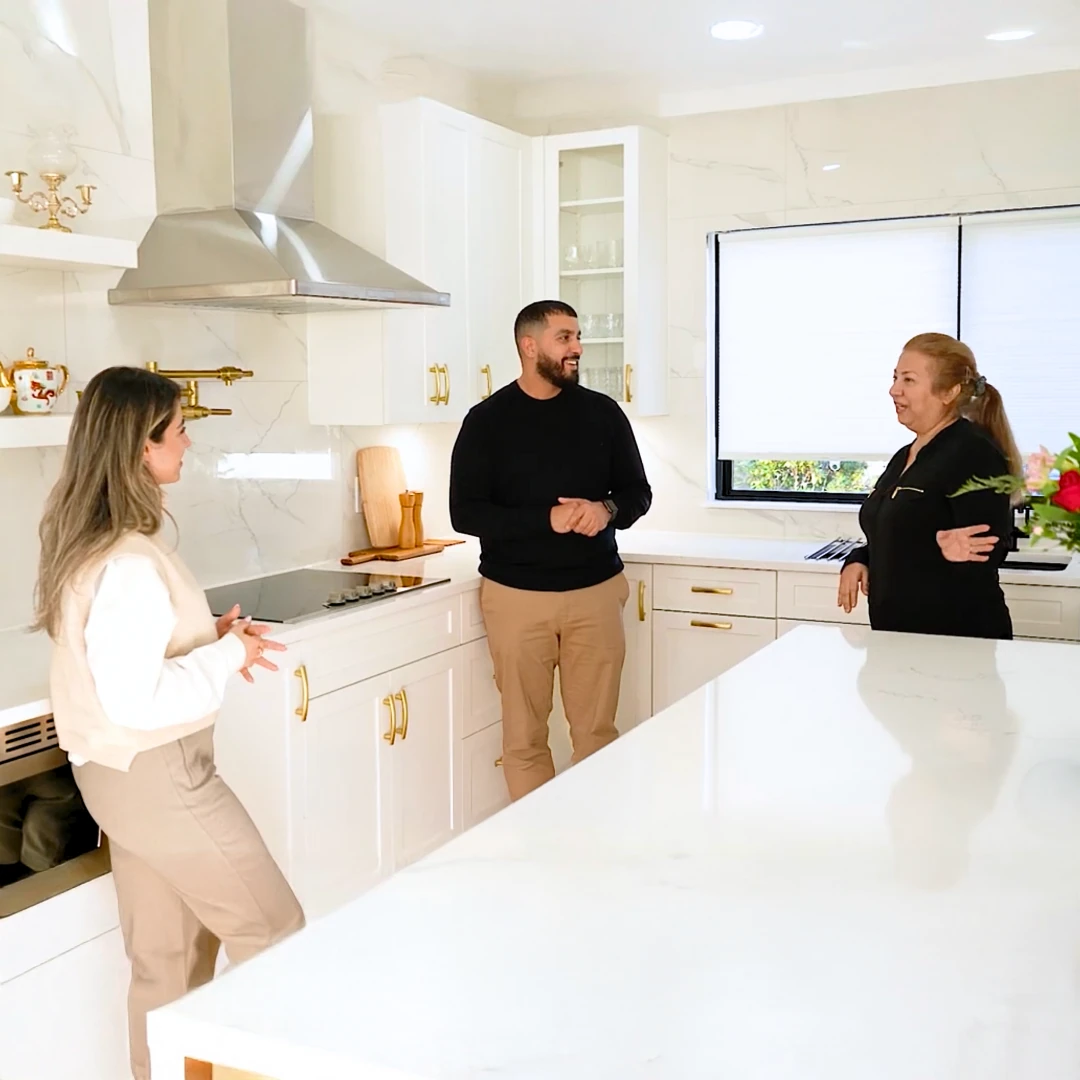
The ownership profile differs too. East Van renovations are often investor-driven — buy, renovate, rent, repeat
Vancouver General Contractors
What distinguishes the West Side from East Vancouver or the suburbs isn’t just price — it’s the density of pre-1940 housing stock. Kitsilano, Dunbar, and Point Grey contain some of Vancouver’s highest concentrations of Craftsman bungalows, California bungalows, Tudor revivals, and Dutch colonials built between 1910 and 1945. These homes are architecturally distinctive, structurally complex, and protected by municipal character retention policies that have teeth. A renovation that would be straightforward in Burnaby or Surrey becomes a multi-layer regulatory exercise on a RS-1 lot in Kits.
The ownership profile differs too. East Van renovations are often investor-driven — buy, renovate, rent, repeat. On the West Side, the dominant pattern is owner-occupier renovation culture: families who plan to live in the home for 10–20 years and want it done right, once. This shapes scope, budget, and the kind of contractor relationship that succeeds here. Clients aren’t looking for the cheapest quote; they’re looking for evidence that a contractor has done this before, knows how City of Vancouver character home rules work, and can navigate a heritage alteration permit without adding six months to a project timeline.
Kitsilano Renovation Costs by Project Type (2026)
Cost ranges on the West Side are consistently higher than Metro Vancouver averages, driven by three factors: the complexity of working in older character homes, the finish standards expected at this price point, and higher contractor overhead in a market where skilled trades are in constant demand. The following ranges reflect 2026 market conditions for quality work — not the cheapest quote available, and not the ultra-luxury tier reserved for Shaughnessy estate renovations.
| Project Type | Mid-Range | Premium / Complex | Notes |
|---|---|---|---|
| Kitchen renovation | $58,000–$95,000 | $95,000–$165,000 | Open-concept conversion adds $15K–$25K structural |
| Primary bathroom | $26,000–$42,000 | $42,000–$72,000 | Character homes often require subfloor and plumbing relocation |
| Basement suite | $62,000–$95,000 | $95,000–$140,000 | Includes separate entrance, egress windows, mechanical |
| Second storey addition | $280,000–$380,000 | $380,000–$430,000+ | Character homes require heritage design review |
| Full home renovation | $280,000–$420,000 | $420,000–$550,000 | Mechanical, structural, and cosmetic across all floors |
| Character home restoration | $350,000–$500,000 | $500,000–$650,000+ | Retention of original features plus full systems upgrade |
| Laneway house | $295,000–$380,000 | $380,000–$450,000+ | West Side labour and finish premiums apply |
| Seismic retrofit | $18,000–$32,000 | $32,000–$45,000 | Often triggered when pulling a major permit |
| Knob-and-tube rewire | $14,000–$20,000 | $20,000–$26,000 | Almost universal in pre-1950 Kits homes |
| Galvanized pipe replacement | $8,000–$14,000 | $14,000–$18,000 | Common in 1930s to 1950s homes |
These ranges assume a standard Kitsilano lot (33×122 ft is common) with a 1,800–2,400 sq ft character home. Larger lots in Dunbar, Point Grey, or Shaughnessy will push costs toward or beyond the upper end of these ranges. For a detailed scope-specific estimate, our renovation planning guide walks through the key cost drivers and how to structure a realistic budget before you meet with contractors.
West Side Neighbourhood Breakdown: Renovation Context by Area
The West Side is not monolithic. Each neighbourhood has its own character home density, zoning context, buyer profile, and renovation culture. Understanding which area you’re working in changes the regulatory approach, the finish level the market rewards, and the scope conversations you’ll have with a contractor.
Kitsilano
Kitsilano is the most densification-active part of the West Side. The Broadway Plan has rezoned significant corridors for higher density, but the core residential streets between Broadway and Cornwall remain predominantly RS-5 and RT-7. Character retention is actively enforced here. The buyer profile has shifted younger over the past decade: professional couples, young families, and tech-sector workers who buy character homes and invest heavily in kitchens, primary suites, and basement suites. Laneway houses are popular on standard 33-foot lots. The proximity to Granville Island, the beach, and the new Broadway SkyTrain stations makes Kitsilano one of the city’s most competitive renovation-for-resale markets.
Point Grey
Point Grey sits between Kitsilano and the UBC Endowment Lands — one of Vancouver’s most affluent residential areas. Lot sizes are larger (often 40×125 ft or larger), and the UBC proximity drives persistent rental demand for basement suites and laneways from faculty, graduate students, and hospital workers at Vancouver General and UBC Hospital. Renovations here tend toward the premium end of the cost spectrum: high-end kitchens, primary suite expansions, and character home restorations that preserve original millwork and leaded glass while adding a fully modernized interior.
Dunbar
Dunbar is the most family-oriented of the West Side neighbourhoods, anchored by strong school catchments (Lord Byng, Jules Quesnel) and a village commercial strip. The housing stock skews slightly newer than Kitsilano — more 1940s to 1960s homes alongside the 1920s to 1930s character stock — and the renovation culture is firmly owner-occupier: families who buy here stay for 15–20 years. Second storey additions are common on one-and-a-half storey character homes. Basement suites are popular both for rental income and multigenerational living.
Kerrisdale
Kerrisdale has a distinct character — a walkable village commercial district, an older buyer demographic, and a mix of pre-war character homes alongside mid-century ranchers and newer infill. Renovation activity here often involves whole-home updates for longtime owners: mechanical system replacements, kitchen and bathroom modernization, and accessibility upgrades including wider doorways, main-floor bathrooms, and elevator installations in larger homes. The market rewards quality work and DCL charges and character retention rules apply across most of Kerrisdale’s RS zones.
Shaughnessy
Shaughnessy is in a category of its own. The original First Shaughnessy district is a Heritage Conservation Area — the most heavily regulated residential zone in Vancouver. Properties here are almost all estate-sized (RS-1 zoning, quarter to full-acre lots), and the homes are architecturally significant: Tudor revivals, Georgian colonials, and Arts and Crafts manors dating to the 1910s to 1930s. Renovation in First Shaughnessy requires a Heritage Alteration Permit for virtually any exterior change, Design Panel review, and strict compliance with the First Shaughnessy Design Guidelines. Budgets for meaningful renovation work in this area routinely start at $500,000 and extend well beyond $1M for full estate restorations.
Character Home Overlay and Heritage Protection: What the Rules Actually Mean
The City of Vancouver’s character retention framework is one of the most significant regulatory factors in West Side renovation planning — and one of the least understood by homeowners encountering it for the first time. Understanding what it does and does not restrict shapes every major scope decision.
The Character House Definition
Under the Vancouver Zoning and Development Bylaw, a character house is generally defined as a residential building constructed before 1940 that retains sufficient original character-defining features to qualify for character retention incentives. The City considers elements like original cladding (wood shingles, lap siding), decorative millwork (porch columns, brackets, bargeboards), original windows and doors, front porch configuration, and roofline character. Not every pre-1940 home automatically qualifies — a home that has been substantially altered (vinyl cladding, replacement windows throughout, porch enclosed) may not meet the threshold. When in doubt, a pre-application meeting with the City is worth scheduling before you commit to a scope.
What Character Retention Enables
The City’s character retention program is structured as an incentive, not purely a restriction. Homeowners who retain and restore character features gain access to relaxations and bonuses that standard RS zoning does not permit:
- Increased floor area ratio (FSR) — retain the character exterior and you may be able to build more floor area than a straight demolition-rebuild would allow under current RS zoning
- Laneway house permission on lots where standard zoning might otherwise restrict it
- Secondary suite plus laneway (two rental units on one character lot) in some RS zones
- Reduced setback requirements for additions at the rear
- Relaxed off-street parking requirements
The trade-off: you must retain the character exterior. This means the original front facade, original cladding, windows, porch, and roofline must be preserved or restored to original condition. You can gut the interior entirely — new mechanical, new structure, open concept — but the exterior character must be maintained. This creates a specific renovation typology common in Kitsilano: a fully modern interior behind a meticulously restored 1925 Craftsman exterior.
What Requires a Heritage Alteration Permit
For homes on the Vancouver Heritage Register (either Confirmed or Proposed category), a Heritage Alteration Permit (HAP) is required for any exterior change — including repainting, replacing windows, modifying the roofline, or altering the porch. For character homes not on the Heritage Register but qualifying for the character retention program, the character features must be maintained as a condition of the development permit, but a formal HAP may not always be required. The distinction matters for timeline: an HAP adds 6–12 weeks to permit processing in most cases, and First Shaughnessy applications can take longer.
The financial premium for doing this right is real. Well-executed character home restorations on the West Side consistently command a 15–25% premium over comparable renovated homes without character retention. Buyers in this market pay for authenticity, and the result of a quality restoration is a home that commands attention in any market condition.
City of Vancouver West Side Permit Process
Pulling permits on the West Side is not optional, and it is not something to approach without preparation. The City of Vancouver has one of the most detailed residential permit processes in the country, and West Side character homes add layers that do not exist in newer-construction neighbourhoods. Here is what a major renovation permit process looks like in practice.
Building Permits
A standard building permit application for a West Side renovation requires completed application forms, site plan and floor plans (existing and proposed), elevations (especially for any exterior changes), a structural engineer’s drawings if you’re altering load-bearing elements or adding square footage, and in some cases a mechanical engineer’s drawings for HVAC system changes. For character homes, the City will also require documentation of existing character features and a statement of how they will be retained or restored.
Permit timelines for major renovations — additions, second storeys, structural alterations — are currently running 8–14 weeks from complete application to permit issuance. Simple permits (mechanical replacements, interior cosmetic work, secondary suites in existing structures without exterior changes) can move faster, typically 3–6 weeks. Budget for the longer timeline in any project that involves exterior changes, additions, or character home elements.
Development Cost Levies (DCLs)
Development Cost Levies are charged on new floor area added to a residential property. In 2025, the City of Vancouver residential DCL rate was $28.88 per square foot of new floor area. For a 500 sq ft second storey addition, that is approximately $14,440 in DCLs before permit fees, engineering costs, or construction. DCLs apply to net new floor area — alterations within the existing footprint that do not add floor area generally do not trigger them. Character home retention can sometimes reduce the net new floor area calculation. Confirm this with a pre-application meeting or your designer before budgeting.
Design Panel Review
Projects that seek relaxations to standard zoning requirements — including many character retention applications — may be referred to the Urban Design Panel for review. This is an advisory process, not a veto, but it adds time (typically 4–8 weeks for a panel date) and requires a more detailed submission package. Heritage register properties and First Shaughnessy applications almost always go through some form of design review. Having a designer or architect with West Side City of Vancouver experience is not optional at this stage.
Pre-Application Meetings
For any project involving character home regulations, heritage alteration permits, or significant additions on a West Side lot, a pre-application meeting with a City planner is strongly recommended before finalizing your design. Pre-apps are free, typically 30–45 minutes, and can save months of revision cycles by identifying regulatory issues before drawings are completed. Your contractor or designer should be present at this meeting.
Basement Suites and Laneway Houses on the West Side
No renovation conversation on the West Side is complete without addressing secondary suites and laneway houses. The combination of high property values, strong rental demand from UBC students, hospital workers, and young professionals, and zoning policies that permit both a suite and a laneway on most RS lots makes these the most financially compelling renovation investment in the city.
Zoning and What Is Permitted
In most RS zones on the West Side, a standard lot (minimum 33 feet wide) can support both a secondary suite (basement or above-grade) and a laneway house. Character retention adds further flexibility: homes that retain character features may be eligible for both a suite and a laneway even on lots that would otherwise only support one secondary unit. The key is understanding the specific zone — RS-1, RS-2, RS-5, RT-7 — and what the current City of Vancouver bylaw permits. Zoning bylaws for secondary suites were significantly liberalized in 2018 and again in 2023, and what was not permitted five years ago may well be permitted today.
Rental Demand and Revenue
Rental demand near UBC and along the Broadway corridor is structural and persistent. Vacancy rates in Kitsilano and Point Grey consistently run below 1%, and rental rates for well-finished suites and laneways have been rising steadily. The following table reflects current 2026 market rental rates for West Side secondary units:
| Unit Type | Location | Monthly Rent Range | Notes |
|---|---|---|---|
| 1-bed basement suite | Kitsilano | $2,200–$2,700 | Near Broadway transit corridor |
| 1-bed basement suite | Point Grey / near UBC | $2,400–$3,200 | UBC and hospital worker demand |
| 1-bed laneway house | Kitsilano / Dunbar | $2,600–$3,400 | Private entrance, detached premium |
| 2-bed basement suite | West Side | $2,800–$3,800 | Family rental demand in Dunbar |
| Studio laneway | West Side | $1,900–$2,500 | Smaller laneways, strong demand |
At $2,600–$3,200 per month for a well-finished laneway near UBC, the return on a $350,000–$420,000 laneway investment pencils out at a gross yield of 7–11% annually — before accounting for the property value increase the laneway adds to the overall lot. For families with a long hold horizon, this is one of the strongest renovation investments available in Metro Vancouver.
CMHC Programs and Secondary Suite Financing
CMHC’s Secondary Suite Loan Program offers eligible homeowners up to $40,000 at a subsidized interest rate to help fund a secondary suite or laneway. The program is income-tested and subject to availability, but for qualifying owners it represents meaningful financing support. The City of Vancouver also has the Secondary Suite Incentive Program (SSIP) in some circumstances — check current program status, as availability changes year to year. Your contractor should be familiar with both programs and able to provide documentation to support an application.
Kitsilano Kitchen Renovations: From 1920s Footprint to Modern Open Plan
Kitchen renovations on the West Side are among the most consequential renovation decisions a homeowner will make — both for livability and resale. Kitsilano and Point Grey kitchens command the most scrutiny from buyers, and the gap between a properly executed high-end kitchen and a merely adequate one is measured in both dollars and days on market.
The Character Home Kitchen Challenge
Pre-war Kitsilano homes were designed with compartmentalized kitchen spaces — typically 120–180 sq ft, separated from the dining room by a wall or pantry, with a back-door service corridor and often a separate breakfast nook. These footprints feel cramped by modern standards, and most owners renovating a 1920s Kits home want an open-concept kitchen-dining-living flow. The structural reality is that the wall between the kitchen and dining room almost always carries load — either from the floor above or from the roof structure. Removing it is entirely doable, but it requires an engineer, a properly sized beam, and a structural permit. Budget $15,000–$25,000 for the structural work alone before the kitchen renovation begins.
Mid-Range Kitchen: $58,000–$95,000
At the mid-range, a Kitsilano kitchen renovation delivers shaker or flat-panel cabinetry from a quality Canadian manufacturer, quartz or engineered stone countertops, integrated appliances (36-inch range, panel-ready dishwasher, counter-depth fridge), new tile backsplash, recessed and pendant lighting, and upgraded plumbing fixtures. At this budget, you are also addressing the mechanical and electrical realities of a character home: new electrical panel if the kitchen is running on a subpanel from a 60-amp service, updated plumbing to copper or PEX, and properly ducted exhaust ventilation. For a 1920s Kits home where the kitchen has not been touched in 25 years, this is the minimum budget that produces a result buyers expect.
Premium Kitchen: $95,000–$165,000
At the premium level, West Side buyers expect custom cabinetry (painted millwork, inset doors, integrated toe kicks), waterfall countertops in book-matched stone, high-end appliances (Wolf or Miele range, Sub-Zero refrigeration, Bosch or Miele dishwasher), designer fixtures, statement lighting, full-height tile backsplash or slab backsplash, and a carefully detailed island with seating. Hidden storage, pull-out organizers, custom hood design, and concealed appliance garages are standard expectations at this price point. The labour component at this level reflects the precision required — custom cabinetry installation tolerances are tight, and a misaligned reveal is visible to buyers who have seen the alternatives.
If you are planning a kitchen renovation as part of a broader whole-home project, our home renovation guide covers how to sequence trades and manage a kitchen renovation within a larger scope without disrupting the overall project timeline.
Character Home Mechanical Upgrades: Planning for What You Will Find
Every experienced West Side contractor has the same conversation with new clients: the character home looks charming on the surface, but the mechanical systems inside are operating on borrowed time. Understanding what you are likely to encounter — and budgeting for it accurately — is the difference between a renovation that goes smoothly and one that turns into an endless series of mid-project surprises.
Knob-and-Tube Wiring
Knob-and-tube wiring is present in the majority of pre-1950 homes in Kitsilano, Point Grey, and Dunbar. It is not automatically illegal — it can be grandfathered for existing circuits — but it cannot be added to, it creates insurance complications, and it represents a real fire risk if insulation has been added over it, which neutralizes its cooling design. More importantly, virtually any significant renovation that opens walls will require an electrical permit, and once an electrical permit is pulled, the City’s electrical inspector will require that all exposed wiring meet current code. This typically triggers a full rewire. Budget $14,000–$26,000 for a complete rewire of a 1,800–2,400 sq ft character home, depending on the number of circuits, panel location, and complexity of routing through original plaster walls.
Galvanized Steel Plumbing
Galvanized steel supply pipes — common in homes built through the 1950s — corrode from the inside out. By the time they are 60–70 years old, reduced flow, rust-coloured water, and pinhole leaks are the norm. Replacement with copper or PEX typically costs $8,000–$18,000 for a standard-sized West Side home, depending on how much is accessible without opening every ceiling and wall. Budget the full replacement if you are doing a major renovation — opening walls for a kitchen or bathroom is the right time to address piping that will fail within a decade regardless.
Forced Air Conversion from Radiators
Many Kitsilano and Point Grey character homes were originally heated by hot water radiator systems — cast iron radiators fed by a boiler, often oil-fired and since converted to gas. Radiator heat is actually comfortable and efficient, and some owners choose to maintain it. But if you want central air conditioning — increasingly standard in new West Side construction — you need ductwork, and that means a forced air conversion. Converting from radiator heat to forced air heating and cooling typically costs $12,000–$22,000, including the new air handler, ductwork installation, and decommissioning of the boiler. The ductwork installation in a character home with original ceilings and plaster walls is the difficult part: routing ducts through tight spaces without destroying original details requires experienced HVAC installers.
When to Budget for All Three Simultaneously
If you are pulling a permit for a kitchen renovation, a second storey addition, or any project that will open walls significantly, the economics strongly favour addressing all three mechanical systems at once. The incremental cost of running new wiring, new plumbing, and HVAC ductwork while walls are already open is dramatically lower than returning to open walls in a finished space. A homeowner who budgets separately for a kitchen renovation now, a rewire in three years, and a forced air conversion in five years will spend substantially more in total than one who addresses all three in a single coordinated project. This is a conversation worth having at scope development, not after drawings are permitted.
Seismic Upgrades: Cost, Triggers, and the City of Vancouver Program
Vancouver sits in a seismically active zone, and pre-war residential construction predates modern seismic engineering standards by decades. Character homes in Kitsilano were built on wood-post foundations (cripple wall construction), with no bolting to the foundation and no structural sheathing on the cripple walls. In a significant earthquake, these homes are vulnerable to lateral displacement — sliding off their foundations — which is catastrophic even if the structure above remains largely intact.
What a Seismic Retrofit Involves
A residential seismic retrofit for a character home typically involves three components: anchor bolting (attaching the mudsill to the foundation with expansion bolts), cripple wall bracing (adding plywood sheathing to the short stud walls above the foundation to resist lateral loads), and sometimes soft-storey bracing for homes with open-plan garages at grade. This work is done from inside the crawlspace and basement and does not require opening finished walls above. Cost for a standard Kitsilano character home runs $18,000–$45,000, depending on foundation condition, crawlspace accessibility, and the scope of structural reinforcement required.
When Seismic Retrofits Are Triggered
The City of Vancouver does not universally mandate seismic retrofits at permit application, but a structural engineer — required for additions and significant structural alterations — will often flag inadequate foundation connection as a scope item. If the engineer’s drawings include a foundation inspection, and that inspection reveals inadequate anchor bolting (which it almost always does in pre-1940 construction), the retrofit often becomes a recommended inclusion. Many West Side homeowners choose to include it proactively: the incremental cost during a major renovation is lower than a standalone retrofit later, and for a home valued at $2.5M or more, the structural security argument is straightforward. The City of Vancouver’s Earthquake Preparedness resources include information on rebate programs — check current availability before assuming what applied in prior years still applies.
ROI in the Kitsilano and West Side Market
Return on renovation investment on the West Side is higher than almost anywhere else in Metro Vancouver — driven by the depth of the buyer pool, the sophistication of buyers who notice quality, and the scarcity of well-renovated character homes. The following table reflects estimated ROI ranges based on current West Side market conditions, calculated as the return of renovation cost in added property value. These are estimates based on market observation, not guarantees — market conditions, scope quality, and execution all affect outcomes.
| Project | Typical Cost | Estimated Added Value | Estimated ROI | Notes |
|---|---|---|---|---|
| Kitchen renovation (mid-premium) | 5,000–30,000 | 0,000–65,000 | 108%–148% | Strongest ROI driver in West Side resale |
| Primary ensuite renovation | 2,000–0,000 | 0,000–0,000 | 110%–156% | Buyers pay for spa-level ensuite |
| Basement suite (legal) | 2,000–5,000 | 20,000–00,000 | 186%–246% | Legal suite adds capitalized rental income |
| Laneway house | 20,000–20,000 | 60,000–00,000 | 110%–130% | Strong value add plus rental cash flow |
| Character home restoration | 50,000–50,000 | 20,000–50,000 | 115%–145% | 15 to 25% premium over comparable non-character |
| Second storey addition | 80,000–30,000 | 00,000–00,000 | 100%–130% | Market-dependent; location drives outcome |
| Seismic retrofit | 8,000–5,000 | Risk reduction and insurance value | Risk mitigation | Not directly reflected in appraisal but required for some lenders and insurers |
The basement suite ROI merits special attention. A legal secondary suite in Kitsilano or Point Grey adds capitalized rental value that buyers and appraisers both recognize. At ,400–,200 per month rental income capitalized at a 3–4% rate, a well-finished suite adds substantial notional value far in excess of construction cost. In practice, the full capitalized value is rarely completely reflected in the sale price, but the premium is real and significant. Character home restoration commands a premium for a different reason: scarcity. There are very few West Side character homes that have been fully and properly restored — buyers who want one pay for it, and well-documented restoration work with quality photography commands strong listing attention even in a slower market.
Finding the Right Contractor for a West Side Renovation
Choosing a contractor for a West Side renovation — particularly a character home — is one of the most consequential decisions in the project. The gap between a contractor who genuinely understands this market and one who does not is not measured in finish quality alone. It shows up in permit strategy, in how they handle the discovery of knob-and-tube wiring mid-project, in whether they know the nuance of a character retention application, and in whether they can have an honest conversation about scope before it becomes a billing dispute.
Character House Experience Is Non-Negotiable
Working in a pre-war character home is a different discipline from new construction or even post-war renovation. Walls are not plumb. Floors have settled differentially over a century. Original plaster requires a different approach than drywall. Integrating modern systems into existing framing without destroying original details takes experience and patience. Ask any potential contractor specifically: how many character home renovations have you completed on Vancouver’s West Side in the past three years? Ask for addresses or references you can verify, and look at the finished product if possible.
Heritage Permit Navigation
A contractor who has never pulled a Heritage Alteration Permit in Vancouver will be learning on your project. The HAP process requires specific documentation, specific design language in the drawings, and familiarity with what the City’s heritage planners look for in a submission. Contractors who work regularly with experienced Vancouver heritage architects have a significant advantage in getting permit applications through efficiently. This matters: a permit delay of eight weeks on a project scoped to start in spring can push you into fall construction pricing and compressed timelines.
High-Finish Expectations at This Price Point
West Side buyers at the .5M–M price point have seen a lot of renovated homes. They can tell the difference between custom millwork and production cabinetry. They notice whether tile grout lines are consistent, whether trim profiles match the character of the home, and whether paint colour choices reflect the period or default to the generic. A contractor who works primarily in new construction or production builds may produce technically adequate work that feels wrong in a character home context. The best West Side contractors have strong relationships with quality finish subcontractors — tileworkers, painters, millwork shops — and can coordinate a finish package that reflects the investment being made.
Vancouver General Contractors has completed kitchen renovations, character home restorations, basement suites, laneway houses, and second storey additions across Kitsilano, Point Grey, Dunbar, and Kerrisdale. We understand the West Side permit process, the character home regulatory framework, and what buyers in this market expect. Contact us to discuss your project scope, timeline, and budget.
More Neighbourhood Guides Guides

Renovation in South Granville, Vancouver: Luxury Homes & High-End Finishing Standards

Renovation in Tsawwassen, Delta: South Delta Home Styles & Renovation Considerations

Renovation in Squamish: Mountain Town Growth, Unique Styles & Permit Guide

Renovation in Mission, BC: Small-Town Building Permit Guide & Local Contractors

Renovation in the Fraser Valley: Complete Guide for Abbotsford, Langley & Chilliwack
Ready to start your renovation?
Frequently Asked Questions: Kitsilano and West Side Renovations
What qualifies as a character home under City of Vancouver rules?
The City of Vancouver defines a character house as a residential building constructed before 1940 that retains significant original character-defining features, including original cladding (wood shingles or lap siding), decorative millwork (porch columns, brackets, bargeboards), original-style windows and doors, and distinctive rooflines or porch configurations. The home must retain enough of these features to be recognizable as architecturally significant from the street. Homes that have been substantially altered — vinyl siding applied over original wood cladding, all windows replaced with vinyl, porches enclosed or removed — may not qualify even if they predate 1940. A pre-application meeting with a City planner is the definitive way to confirm whether your specific home qualifies.
What is a Heritage Alteration Permit and when do I need one?
A Heritage Alteration Permit (HAP) is required for any exterior alterations to properties on the Vancouver Heritage Register, in either Confirmed or Proposed categories. This includes repainting, replacing windows or doors, altering the roofline, modifying the porch, or adding an addition. In First Shaughnessy, which is a Heritage Conservation Area, a HAP is required for virtually any exterior change. For character homes that qualify for the character retention program but are not on the Heritage Register, character features must still be maintained as a condition of development permit, but a formal HAP may not always be required. Heritage Alteration Permits typically add 6–12 weeks to the permit process; First Shaughnessy applications can take longer. Working with a contractor and designer who have direct HAP experience is essential for managing this timeline.
How much more does it cost to renovate on the West Side compared to East Van?
West Side renovation costs typically run 15–30% higher than comparable projects in East Vancouver, for several reasons: character home complexity (pre-war construction requires more careful and slower work), higher finish expectations (West Side buyers notice details that may not register elsewhere), higher contractor overhead in a premium market, and the additional regulatory layer of character home rules and heritage permit processes. A kitchen renovation that costs 5,000 in East Van might cost 5,000–0,000 on the West Side. The ROI rationale also differs: West Side properties support higher renovation investment because the market more fully reflects renovation quality in property values.
Is it worth building a basement suite near UBC?
For most West Side homeowners, yes. The ROI on a legal basement suite near UBC is among the strongest renovation investments available in Metro Vancouver. Rental rates for a well-finished one-bedroom suite in Point Grey or Kitsilano currently run ,400–,200 per month, with vacancy rates below 1%. The construction cost of 2,000–5,000 for a quality suite — including separate entrance, egress windows, proper mechanical and electrical, and quality finishes — is recovered within 3–4 years in rental income alone. The capitalized value the suite adds to the property is typically 20,000–00,000 or more. Legal suites are also significantly more attractive to future buyers than informal or non-conforming suites, particularly as the City of Vancouver continues to enforce secondary suite regulations more actively year by year.
Can I add a laneway house to a character home lot?
Yes, in most cases. Character retention is one of the pathways that enables laneway houses on lots that might otherwise not qualify. In most RS zones in Kitsilano, Dunbar, and Point Grey, a standard 33-foot lot with a character house can support both a secondary suite and a laneway house — a combination not always permitted on standard lots without character retention. The character retention condition requires maintaining the original exterior of the main house. The laneway itself is new construction at the rear of the lot and is not subject to character retention requirements, though it must comply with laneway house design guidelines regarding height, setbacks, and lane access. Permit timelines for a combined character retention and laneway application are typically 10–16 weeks from complete application.
What are DCL charges and how are they calculated?
Development Cost Levies (DCLs) are City of Vancouver charges assessed on new residential floor area added to a property. The 2025 rate was 8.88 per square foot of new floor area. For a 500 sq ft addition, DCLs are approximately 4,440; for a 1,000 sq ft second storey, approximately 8,880. DCLs apply to net new floor area — work within the existing footprint without increasing square footage generally does not trigger them. Secondary suites within an existing footprint typically do not trigger DCLs. New laneways, second storey additions, and rear additions will. Character home retention can sometimes affect the DCL calculation. Confirm specifics with a pre-application meeting or your designer. DCLs are paid at permit issuance and are separate from permit fees and engineering costs.
How long does a major renovation permit take in Vancouver?
For a major renovation involving structural changes, additions, or character home elements, permit timelines currently run 8–14 weeks from complete application submission to permit issuance. Simple interior permits can be issued in 3–6 weeks. Heritage Alteration Permits add 6–12 weeks. First Shaughnessy applications requiring Design Panel review may take 4–6 months from initial application to permit. Working with a designer who submits complete, technically correct applications is one of the highest-value things you can do to control overall project duration.
What hidden costs should I budget for in a pre-1940 Kitsilano home?
Every experienced West Side contractor maintains a list of common hidden costs in pre-1940 Kitsilano homes. They include: (1) Knob-and-tube wiring requiring full replacement, costing 4,000–6,000 and present in the majority of pre-1950 homes. (2) Galvanized plumbing replacement at ,000–8,000. (3) Structural issues discovered when walls are opened, including undersized beams, rot in original framing, and inadequate foundation anchor bolting. (4) Asbestos in original floor tiles, pipe insulation, or exterior cladding, requiring testing and licensed remediation. (5) Lead paint on exterior surfaces requiring specialized preparation and disposal. (6) Original plaster removal and drywall replacement where plaster has been compromised by past moisture or settling. Budget a contingency of 15–20% of your total project cost in a pre-1940 character home — not as pessimism, but as responsible financial planning.
What renovation has the best ROI on Vancouver’s West Side?
Legal basement suites consistently deliver the strongest ROI on a dollar-for-dollar basis — estimated at 186%–246% in the current West Side market, driven by the capitalized value of rental income in one of North America’s tightest rental markets. Kitchen renovations and primary ensuite renovations deliver 108%–156% ROI and are the strongest drivers of resale premium and faster sale timelines. Character home restoration — properly executed — delivers a 15–25% value premium over comparable renovated homes without character retention, which at West Side price points represents 00,000–00,000 in added value on a .5M–M property. The weakest ROI tends to be over-improvement beyond the neighbourhood price ceiling.
How does renovating a Shaughnessy estate home differ from a standard Kitsilano project?
Shaughnessy — particularly First Shaughnessy — operates under an entirely different regulatory framework from the rest of the West Side. First Shaughnessy is a Heritage Conservation Area under the Vancouver Heritage Register, meaning the entire district is subject to heritage design guidelines, not just individually listed properties. Every exterior change requires a Heritage Alteration Permit. Major renovations or additions require Design Panel review. The First Shaughnessy Design Guidelines prescribe materials, scale, massing relationships, and architectural character in detail. Budgets for meaningful Shaughnessy renovation work start at 00,000 and frequently exceed M for full estate restorations. The contractor must have demonstrated heritage experience and the capacity to coordinate heritage-qualified architects, structural engineers, and specialty trades simultaneously.
Do I need a structural engineer for a West Side kitchen renovation?
If your kitchen renovation is purely cosmetic — new cabinets, counters, appliances, flooring, and fixtures within the existing footprint without moving walls — you likely do not need a structural engineer. If you want to remove walls to create open-concept flow, which is the case for most Kitsilano character home kitchen renovations, you do need a structural engineer to assess which walls are load-bearing, specify the replacement beam size and support posts, and produce the stamped drawings required for a structural permit. Load-bearing wall removal without engineering is one of the most common causes of serious structural problems in residential renovations, and the permits issued for un-engineered structural work create liability that stays with the property through future sales.
What is the best time of year to start a West Side renovation?
On the West Side, the practical answer is: when your permits are ready. Given that major renovation permits take 8–14 weeks, the most important scheduling decision is submitting a complete permit application as early as possible. If you want to break ground in spring, your application needs to be submitted in November or December and your drawings must be complete before that. The most active construction window for exterior work is April through October. Interior renovation work proceeds year-round. January and February are typically the slowest months for contractor scheduling, which makes them a good time to finalize scope, complete drawings, and submit permit applications without competing for design and engineering resources.
How do I know if my Kits home has knob-and-tube wiring?
The most reliable way is to have a licensed electrician inspect your electrical panel and accessible wiring. Knob-and-tube wiring is visually distinctive: ceramic knobs fastened to framing members, ceramic tubes threading through them, and bare copper or cloth-insulated wire without a ground conductor. It is present in the majority of Kitsilano homes built before 1950, and many homes that appear to have been updated retain knob-and-tube in portions of the structure not accessed during prior renovations — crawlspaces, attic spaces, and walls that have not been opened. If your home was built before 1950 and has not had a complete rewire, assume knob-and-tube is present until a qualified electrician confirms otherwise. Budget for replacement in any major renovation scope.
What should I look for when buying a Kitsilano character home to renovate?
Beyond the standard home inspection, a pre-purchase evaluation of a Kitsilano character home for renovation should include: (1) Assessment of character feature retention — does the home still qualify for the character retention program, or has prior work disqualified it? (2) Structural condition — foundation cracking, settlement, cripple wall condition, evidence of past water intrusion. (3) Mechanical systems — are knob-and-tube and galvanized plumbing present, and what is the current electrical service capacity? (4) Heritage Register status — is the property listed, and in which category? This determines whether a Heritage Alteration Permit will be required. (5) Lot dimensions — does the lot meet the minimum width and area for a laneway and a suite under the applicable RS zone? These questions shape the renovation potential and cost structure of what you are buying. A contractor walkthrough before subjects are removed is money well spent. Contact VGC to arrange a pre-purchase walkthrough on a West Side character home.
How does the Arbutus Ridge neighbourhood fit into the West Side renovation market?
Arbutus Ridge sits between Kerrisdale and Kitsilano, offering a quieter residential character with strong school catchments and easy access to the Arbutus Greenway corridor. The housing stock is a mix of pre-war character homes, post-war ranchers, and some 1970s to 1980s construction. Renovation activity here follows similar patterns to Kerrisdale and Dunbar: owner-occupier families making long-term investments, kitchen and bathroom modernization, basement suites for rental income or family use. Character home rules apply to pre-1940 stock. The neighbourhood is increasingly attractive to buyers priced out of Kitsilano and Point Grey, which has driven a moderate increase in renovation investment over the past three to five years.
Get a Free Renovation Quote
Metro Vancouver’s trusted general contractors. Free consultations across Vancouver, Burnaby, Richmond, North Shore & beyond.
Get Your Free Quote →Ready to start your project? Vancouver General Contractors (VGC) provides free, fixed-price quotes for homeowners across Metro Vancouver. Learn more about our Kitsilano renovation contractor services or request a free quote today.
VGC serves Kitsilano and surrounding areas. View all renovation services in Kitsilano →

Comments are closed