





New Westminster Renovation Guide: Costs, Heritage Homes & Permits (2026)
New Westminster is unlike any other city in Metro Vancouver. As British Columbia’s oldest incorporated municipality, it carries 160 years of history in its streetscapes, its architecture, and its neighbourhoods. That history makes it one of the most rewarding places to renovate — and one of the most complex. Pre-1940 homes dominate the Queens Park and Sapperton neighbourhoods. Heritage designation policies shape what you can and cannot do to your exterior. Knob-and-tube wiring hides behind plaster walls. And yet, with SkyTrain lines connecting the city to three transit corridors, rental demand running high, and property values sitting between $850,000 and $1.6 million, the renovation economics in New Westminster are among the strongest in the Lower Mainland.
This guide covers everything a New Westminster homeowner needs to know before starting a renovation in 2026: what projects cost, how the City’s permit process works, what Queens Park’s Heritage Conservation Area means for your plans, how to navigate pre-1940 construction challenges, and how to calculate the return on your investment. Whether you are updating a century-old craftsman in Sapperton, adding a legal suite beneath a Queens Park character home, or building a full second storey addition on a Queensborough lot, the information below applies directly to your project.
New Westminster’s Renovation Market: Why BC’s Oldest City Rewards Renovation
Incorporated in 1860, New Westminster served as British Columbia’s first capital before Victoria assumed that role. That early prominence left the city with a remarkable building stock: block after block of late-Victorian, Edwardian, and early-Craftsman homes that survived twentieth-century redevelopment pressures largely intact. Today, roughly 40 percent of the city’s single-family housing stock dates from before 1940, concentrated in Queens Park, Sapperton, and the West End. This is both the city’s greatest asset and its primary renovation challenge.
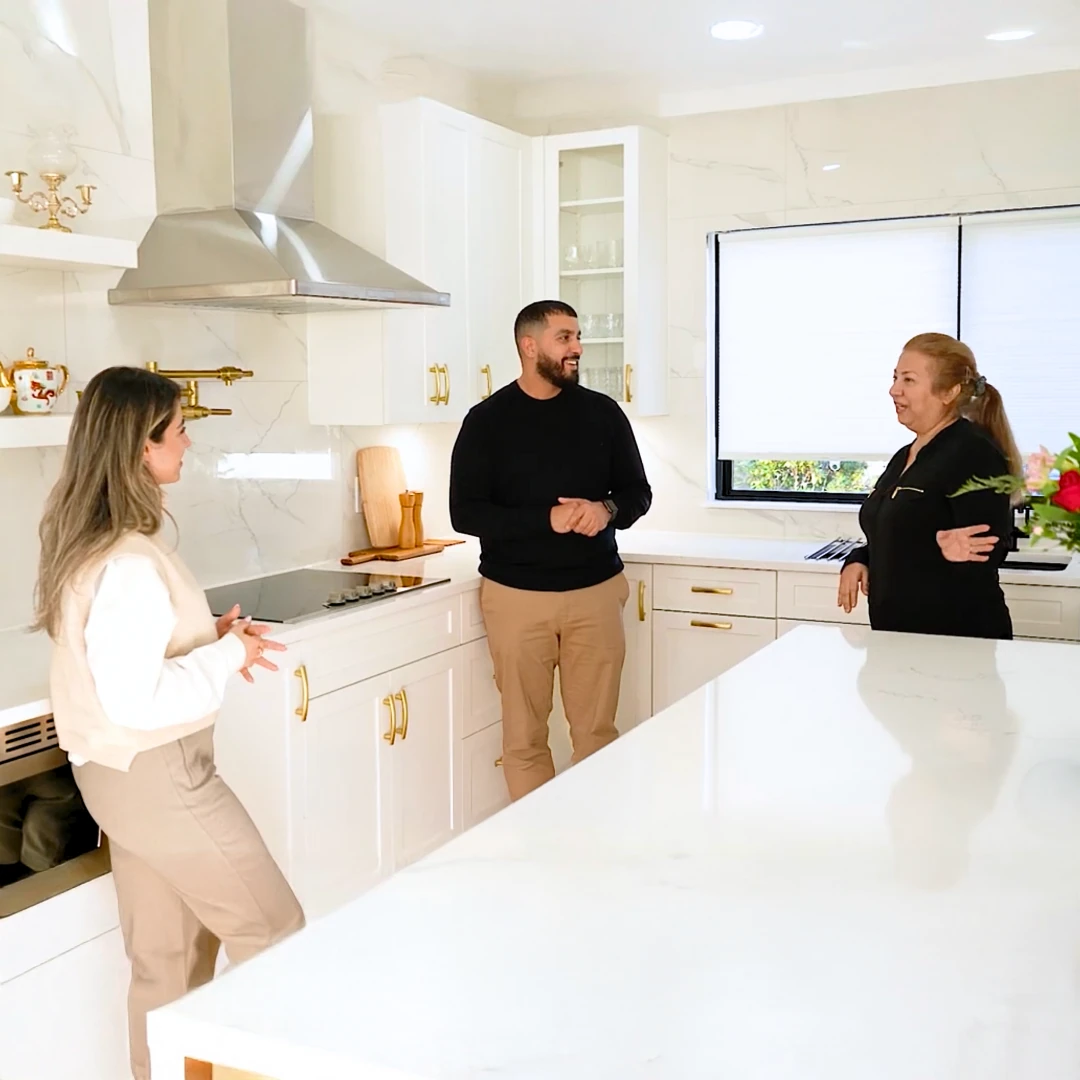
Queens Park is New Westminster's crown jewel. The neighbourhood's large lots, mature tree canopy
Vancouver General Contractors
Property values reflect the city’s growing appeal. Single-family homes in New Westminster currently range from approximately $850,000 in Queensborough and parts of Sapperton to $1.2 million–$2 million in Queens Park’s premium character home market. The city’s three SkyTrain connections — the Expo Line at Columbia, New Westminster, and 22nd Street stations, the Millennium Line at Sapperton, and the Evergreen connection at Burquitlam — make New Westminster one of the most transit-accessible municipalities in Metro Vancouver. That connectivity drives rental demand from hospital staff at Royal Columbian Hospital, students commuting to Simon Fraser and BCIT, and workers throughout the regional job market.
Walk Score ratings across New Westminster neighbourhoods consistently reach 70–90, making it one of the region’s most walkable cities outside Vancouver proper. This combination — heritage character, transit access, walkability, and comparatively lower price points than Burnaby or Vancouver — creates strong renovation ROI. Buyers pay a premium for updated homes that preserve character while delivering modern kitchens, updated electrical, and legal secondary suites. Renovation spending in New Westminster is investment spending.
The city’s five primary neighbourhoods each present distinct renovation contexts. Queens Park is the premier heritage district, home to large character homes on generous lots. Sapperton, anchored by Royal Columbian Hospital, offers working-class character homes at more accessible price points. Uptown is the commercial and residential hub along 6th Avenue. Queensborough, on Lulu Island, has a newer housing stock dominated by post-2000 construction. The West End mixes heritage homes with early post-war construction along the Columbia Street corridor. Understanding which neighbourhood your property sits in shapes every renovation decision, from permit requirements to finish-level expectations.
New Westminster Renovation Costs by Project Type (2026)
Renovation costs in New Westminster run slightly lower than comparable work in Vancouver’s west side but meaningfully higher than Surrey or Langley, reflecting the city’s labour market position, the complexity of working in older buildings, and local permit fee structures. The figures below reflect 2026 pricing for quality mid-range and premium renovations by licensed contractors. Heritage homes in Queens Park and pre-1940 construction throughout Sapperton and the West End carry additional contingency requirements, discussed in the pre-1940 section below.
| Project Type | Mid-Range | Premium | Notes |
|---|---|---|---|
| Kitchen renovation | $44,000–$72,000 | $72,000–$118,000 | 120–160 sq ft typical in pre-1940 homes |
| Bathroom renovation (main) | $20,000–$32,000 | $32,000–$55,000 | Plumbing relocation common in older homes |
| Basement suite (legal) | $55,000–$87,000 | $87,000–$135,000 | Includes egress, separate entrance, suite permit |
| Second storey addition | $215,000–$280,000 | $280,000–$345,000 | Requires structural assessment in older homes |
| Rear addition (main floor) | $135,000–$185,000 | $185,000–$235,000 | Heritage alteration permit may apply |
| Full home renovation | $155,000–$230,000 | $230,000–$310,000 | Assumes existing structure retained |
| Knob-and-tube wiring replacement | $12,000–$17,000 | $17,000–$22,000 | Full house; permits required |
| Heritage window restoration | $800–$1,400/window | $1,400–$2,200/window | Vs. replacement at $950–$1,800 standard |
These ranges assume permits are in place, utilities are in acceptable condition, and no major structural surprises arise. In practice, pre-1940 homes in New Westminster regularly surface conditions that add 10–25 percent to base project costs: galvanized water supply lines, deteriorated drain tile, undersized electrical panels, balloon-frame wall cavities requiring fire-stopping, and subfloor systems that cannot support tile without sistering. Budgeting a 15–20 percent contingency is prudent on any older New Westminster home; 20–25 percent is appropriate for Queens Park character homes undertaking their first major renovation.
New Westminster Neighbourhoods: A Renovation Perspective
New Westminster’s five principal neighbourhoods present meaningfully different renovation contexts. Understanding where your property sits determines your permit requirements, your buyer expectations, your material choices, and your return on investment.
Queens Park is New Westminster’s crown jewel. The neighbourhood’s large lots, mature tree canopy, and concentration of late-Victorian and Edwardian homes in the 3,000–5,000 square foot range create Metro Vancouver’s most cohesive historic residential streetscape outside of Shaughnessy. Home values range from $1.2 million for smaller lots on the neighbourhood’s periphery to over $2 million for large, well-maintained character homes on the central avenues. Queens Park is also a designated Heritage Conservation Area, which means exterior changes require heritage alteration permits and must conform to the City’s Heritage Design Guidelines. Buyers in Queens Park pay a 20–30 percent premium over comparable homes in Sapperton, reflecting both lot size and character preservation. Renovation work here demands heritage-specific expertise and finish quality that matches the home’s original detailing.
Sapperton is New Westminster’s working-class heritage district, clustered around Royal Columbian Hospital and the Sapperton SkyTrain station on the Millennium Line. Homes here are predominantly Craftsman bungalows and early post-war construction built for the workers of the BC Penitentiary, the brewery, and the hospital complex. Values range from $850,000 to $1.3 million. Sapperton homes are generally smaller than Queens Park properties — 1,200 to 2,000 square feet on standard 33-foot lots — which makes addition projects, secondary suites, and kitchen-opening projects particularly high-ROI. Heritage designation is less restrictive here than in Queens Park, but pre-1940 construction challenges apply in full.
Uptown sits along 6th Avenue and presents a mixed residential and commercial character. Homes are a blend of early post-war construction, 1960s–1980s ranchers, and newer infill. Renovation work here tends toward modernization rather than heritage preservation. Secondary suite additions and kitchen updates drive most of the renovation activity, supported by proximity to transit and the commercial corridor.
Queensborough occupies the eastern portion of Lulu Island and has historically been separated from the rest of New Westminster by the Fraser River. The housing stock is predominantly post-2000, with a mix of single-family homes, townhouses, and newer detached houses. Pre-1940 construction challenges do not apply here. Renovation work is largely cosmetic updating, suite additions, and outdoor living improvements. Values are lower than central New Westminster neighbourhoods, ranging from $850,000 to $1.1 million, and ROI on major renovations should be evaluated carefully against those values.
West End stretches along the Columbia Street corridor south and east of the commercial core. The neighbourhood mixes late heritage homes with early post-war construction, split-levels, and 1970s multi-family. Renovation activity ranges from heritage restoration work on the older stock to suite additions and mechanical updates on the post-war homes.
Queens Park Heritage Conservation Area: What Homeowners Must Know
Queens Park’s designation as a Heritage Conservation Area (HCA) under the City of New Westminster’s Official Community Plan gives it the most comprehensive heritage protection framework of any residential neighbourhood in New Westminster — and one of the most detailed in Metro Vancouver. Understanding what the HCA means for your renovation project is not optional; it directly shapes your permit timeline, your design choices, and your budget.
The Heritage Conservation Area designation was established to protect the neighbourhood’s cohesive streetscape of large character homes constructed between 1890 and 1940. The City’s Heritage Design Guidelines for Queens Park govern all exterior alterations visible from the street, including changes to: rooflines and dormers; window and door openings; exterior cladding materials; porches, verandas, and front steps; garage placement and design; fencing above 1.2 metres on street frontages; and additions to the rear or sides of the home where visible from the street.
A Heritage Alteration Permit (HAP) is required for any of these exterior changes. The HAP process runs parallel to — not instead of — the standard building permit process. You will need both a HAP and a building permit for most exterior renovation work. The City’s Heritage Planner reviews HAP applications against the Design Guidelines, and approval typically requires drawings showing material specifications, window profiles, and how the proposed work relates to the home’s historic character.
What does not require a heritage alteration permit? Interior renovations that do not affect exterior elements; like-for-like repairs using matching materials; routine maintenance such as painting in period-appropriate colours; and landscaping below the 1.2-metre fence height threshold. A kitchen gut-and-rebuild, basement suite conversion, or full electrical update that does not touch the exterior envelope does not require a HAP — only standard building permits.
The cost premium for heritage-compliant exterior work runs 15–25 percent above standard renovation costs. Heritage window restoration using original profiles costs $800–$2,200 per window depending on size and condition. If replacement is necessary, replacement windows must match the divided light pattern, sash proportions, and exterior profile of the original units. Vinyl replacement windows that alter the fenestration character are generally not approved. Fibre cement siding that replicates the original wood profile is acceptable; stucco or T1-11 sheathing over original wood cladding is not.
Despite these constraints, Queens Park homes command the highest premiums in New Westminster’s renovation market. A well-executed renovation that preserves and restores character elements — original fir floors, built-in millwork, heritage windows, front porch details — consistently returns 120–150 percent of renovation cost in added market value. Buyers in this neighbourhood specifically seek character preservation; a renovation that strips original details to modernize the interior while maintaining the exterior generates less return than one that honours both.
City of New Westminster Permit Process: Timelines, Fees, and Inspections
New Westminster’s Development Services department handles building permits through an online portal at the City’s website. The permit process for residential renovations follows a standard sequence: application submission with drawings, plan review, permit issuance, construction, inspections, and occupancy. The City has made meaningful progress on permit processing times in recent years, but heritage projects and complex additions still require longer lead times than straightforward projects.
Standard residential renovation permits — kitchen updates, bathroom renovations, basement suite conversions, electrical panel upgrades — typically process in 5–9 weeks from complete application submission. Applications submitted with complete drawings, a site plan, and all required documentation move faster. Incomplete applications trigger a deficiency notice and restart the review clock.
Heritage Alteration Permits in Queens Park add a layer of review and typically extend timelines to 8–14 weeks. Complex HAP applications involving additions or significant exterior alterations may require a heritage consultant’s report, which adds to both timeline and cost. Some applicants engage a heritage consultant early in the design process specifically to pre-screen compliance before submitting, which reduces the risk of design revisions during plan review.
Permit fees in New Westminster are calculated as a percentage of construction value. For residential projects, the fee schedule generally runs $12–$18 per $1,000 of declared construction value, with a minimum fee. A $70,000 kitchen renovation carries a permit fee of approximately $900–$1,250. Secondary suite permits have a fixed component plus a construction-value component. Heritage alteration permits carry an additional flat fee.
The inspection sequence for a typical renovation follows: rough-in inspection (after framing, plumbing rough-in, and electrical rough-in, before insulation and drywall); insulation inspection; framing inspection (for structural work); and final inspection. Electrical work requires separate ESA (Electrical Safety Authority of BC) inspection in addition to the City’s building inspection. Secondary suite projects require a final occupancy inspection before the suite can be legally occupied.
Homeowners undertaking renovation work in New Westminster should factor permit timeline into their project schedule. A kitchen renovation that takes eight weeks to build may require four to six weeks of permit waiting time before the first nail is pulled. Starting the permit application before finalizing all design decisions is rarely possible — drawings must be complete — but engaging your contractor and designer early to begin drawing preparation while you finalize selections is the best way to compress the overall schedule.
Secondary Suites in New Westminster: Zoning, Rental Demand, and Income Potential
New Westminster has been one of Metro Vancouver’s most progressive municipalities on secondary suite policy. As of 2023, the City’s updated bylaw changes permit secondary suites in all RS (Residential Single-Family) zones across the city. This means that if you own a single-family home in New Westminster — in Queens Park, Sapperton, the West End, or Uptown — you are entitled to create a legal secondary suite as of right, without a rezoning application or public hearing process.
The rental demand case for New Westminster suites is among the strongest in Metro Vancouver. Royal Columbian Hospital is one of BC’s largest acute care facilities, with thousands of staff seeking housing within walking or SkyTrain distance. SkyTrain access on three lines brings the entire Metro Vancouver job market within 20–45 minutes. Douglas College’s New Westminster campus draws students who need rental housing close to transit. Vacancy rates in New Westminster have consistently run below 2 percent, and average rents for legal basement suites range from $1,800–$2,400 per month depending on size, finishes, and location.
| Suite Type | Average Monthly Rent (2026) | Annual Income | Typical Build Cost |
|---|---|---|---|
| Bachelor/studio suite (400–550 sq ft) | $1,800–$2,100 | $21,600–$25,200 | $45,000–$60,000 |
| 1-bedroom suite (550–750 sq ft) | $2,000–$2,400 | $24,000–$28,800 | $55,000–$75,000 |
| 2-bedroom suite (750–1,000 sq ft) | $2,400–$2,900 | $28,800–$34,800 | $70,000–$95,000 |
A legal secondary suite in New Westminster must meet the BC Building Code’s secondary suite requirements: minimum ceiling height of 1.95 metres (though 2.1 metres is preferred for marketability); a separate entrance from outside the main dwelling; its own bathroom and kitchen facilities; smoke and CO detection compliant with the current code; and adequate egress windows in sleeping rooms. The suite must be permitted and inspected; an unpermitted suite cannot be advertised as legal and creates liability issues for the homeowner.
CMHC’s Secondary Suite Loan program provides interest-free financing of up to $40,000 for eligible homeowners creating new legal secondary suites, with repayment deferred for up to five years. This program significantly improves the cash-flow profile of suite addition projects for homeowners who are stretching to fund the work. Applications are submitted through CMHC-approved lenders, and the suite must meet CMHC’s eligibility requirements including minimum insulation standards and compliance with the National Building Code’s secondary suite provisions.
Pre-1940 Home Renovation Challenges in New Westminster
Roughly 40 percent of New Westminster’s single-family housing stock dates from before 1940. Renovating these homes is rewarding but requires expertise and contingency budgeting that newer construction does not. The challenges are predictable — experienced contractors have seen them all — but they must be identified, disclosed, and remediated as part of every major renovation project.
Knob-and-tube wiring is the most common and most consequential challenge in New Westminster’s older homes. Installed from approximately 1900 through the late 1940s, knob-and-tube (K&T) wiring uses individual hot and neutral conductors run through ceramic knobs and tubes rather than the grounded, sheathed cable of modern wiring. It has no ground conductor, cannot support the electrical loads of modern kitchens and bathrooms, and most home insurers in BC either refuse to insure homes with active K&T or impose significant premium surcharges. Full replacement of a K&T system in a 1,500–2,000 square foot New Westminster home runs $12,000–$22,000 depending on accessibility and the number of circuits. This work requires an ESA permit and inspection. Many homeowners tackle K&T replacement as part of a larger renovation project, adding it to the scope when walls are already opened for a kitchen or bathroom renovation.
Lead paint was used extensively in residential construction through 1978. Homes built before 1940 almost certainly have lead paint on original trim, walls, and exterior siding. Lead paint that is intact and in good condition does not present an immediate hazard, but sanding, cutting, or demolishing surfaces containing lead paint creates respirable dust that is a serious health risk. BC WorkSafeBC regulations require lead paint assessment before renovation work on pre-1978 buildings. Remediation of lead paint during renovation adds cost but is non-negotiable for worker and occupant safety.
Asbestos-containing materials were common in construction from the 1920s through the 1980s. In New Westminster’s pre-1940 homes, asbestos may be present in pipe insulation around heating systems, floor tiles and adhesives, ceiling texture (often called “popcorn” ceiling), drywall joint compound on early post-war additions, and exterior transite siding on some homes. A designated substance survey (DSS) by a qualified professional is required before demolition work under WorkSafeBC regulations. Asbestos abatement, when required, adds $2,000–$12,000 depending on the extent of materials.
Balloon framing is the structural system used in most pre-1940 New Westminster homes. Unlike modern platform framing where each floor is a separate platform, balloon framing runs continuous wall studs from foundation sill to roof, with floor joists hung from the studs. This creates continuous cavities from basement to attic that act as fire chimneys and complicate modern insulation installation. BC Building Code requires fire-stopping at each floor level when balloon-frame walls are opened, adding labour cost to any renovation that touches exterior walls.
Foundation types in older New Westminster homes range from poured concrete in the better-built character homes to rubble stone, brick, or post-and-beam foundations in the oldest construction. Rubble and brick foundations are porous, subject to lateral movement, and may not support the loads of a second storey addition without reinforcement. A structural engineer’s assessment is essential before any addition project on a pre-1940 home, and foundation work can add $15,000–$45,000 to project costs when required.
Galvanized water supply piping was standard before copper became dominant in the 1950s. Galvanized steel pipes corrode from the inside out over decades, progressively restricting flow and eventually failing. In a 1920s or 1930s New Westminster home that has not had its plumbing updated, the water supply system is at or near end of life. Replacing galvanized supply piping in a two-storey home runs $8,000–$16,000 and is most economically done concurrent with a kitchen or bathroom renovation when walls are already opened.
Kitchen Renovations in New Westminster: Costs and Character Home Considerations
Kitchen renovations are the most frequently undertaken major project in New Westminster’s residential market, and the one with the most variation in scope and cost. The character homes of Queens Park and Sapperton present a specific design challenge that newer construction does not: the formal separate-room kitchen layout of pre-1940 construction, which kept the kitchen physically isolated from the dining room and living space.
In pre-1940 New Westminster homes, the kitchen typically occupies 120–160 square feet as a standalone room, separated from the dining room by a wall containing a pass-through or butler’s pantry opening. Modern buyers overwhelmingly prefer open-concept kitchen-dining-living arrangements. Achieving open concept in a character home requires removing the wall between kitchen and dining room — a project that almost always involves a load-bearing beam installation, which adds $8,000–$15,000 to the kitchen budget beyond cabinetry and finishes. In Queens Park homes, the wall between kitchen and dining room is often load-bearing and may be a heritage interior feature; consult your contractor about structural requirements before assuming the wall can come down.
Mid-range kitchen renovations in New Westminster run $44,000–$72,000 for a complete gut-and-rebuild with semi-custom cabinetry, quartz or stone countertops, new appliances, tile backsplash, updated plumbing fixtures, and new flooring. This range assumes the existing layout is largely preserved and that no major structural work is required. Premium kitchen renovations with custom cabinetry, high-end appliances, waterfall islands, and extensive tile or stone work run $72,000–$118,000.
In pre-1940 homes, add the following to your kitchen budget as potential line items: electrical panel upgrade if the existing panel cannot support modern kitchen circuits ($4,500–$9,000); plumbing rough-in relocation if moving the sink to an island or peninsula ($2,500–$5,500); subfloor levelling or sistering if original fir floors are deflecting ($3,000–$7,000); and asbestos testing and abatement if floor tiles or ceiling texture are present ($1,500–$6,000). These are not universal — an experienced contractor’s pre-renovation assessment will identify which apply to your specific home.
For homeowners seeking guidance on scope, budget, and contractor selection, our detailed renovation guide covers the full renovation planning process, while our home renovation services page outlines how Vancouver General Contractors approaches projects in New Westminster and across Metro Vancouver.
Bill 44 and Multi-Unit Development in New Westminster
BC’s Bill 44 — the Housing Statutes (Residential Development) Amendment Act — came into force in June 2024, requiring all BC municipalities to allow small-scale multi-unit (SSMU) development on land zoned for single-family use. In practice, this means that most single-family lots in New Westminster can now accommodate up to four residential units as-of-right (and up to six units on lots within 400 metres of a bus route or SkyTrain station).
New Westminster was among the more proactive adopters of SSMU policy in Metro Vancouver, having already moved toward suite-friendly zoning in the 2023 bylaw changes. The city’s alignment with Bill 44 requirements opened triplex and quadruplex development potential across the RS zones in Queens Park, Sapperton, Uptown, and the West End. For homeowners with larger lots — particularly the 50-foot and 60-foot lots common in Queens Park — this creates meaningful intensification potential beyond a single secondary suite.
The rental income case for multi-unit development in New Westminster is strengthened significantly by SkyTrain proximity. Rental premiums within 500 metres of a SkyTrain station in Metro Vancouver consistently run 10–18 percent above neighbourhood averages. New Westminster’s three SkyTrain stations — Columbia, New Westminster, 22nd Street, and Sapperton — place a large portion of the city’s housing stock within that premium zone. A triplex or laneway combination on a standard 33-by-120-foot lot in Sapperton, close to the Sapperton station, can generate gross rental income of $7,200–$8,400 per month from three units.
| Development Scenario | Typical Lot | Estimated Build Cost | Gross Monthly Rental Income |
|---|---|---|---|
| Main house + 1 basement suite | 33×120 ft | $55,000–$87,000 (suite only) | $2,000–$2,600 (suite) |
| Main house + suite + laneway | 40×120 ft | $235,000–$310,000 (laneway + suite) | $4,200–$5,400 combined |
| Triplex conversion/addition | 50×120 ft | $380,000–$490,000 | $6,600–$8,100 |
| Quadruplex new build | 50×120 ft | $1,100,000–$1,450,000 | $8,800–$10,400 |
It is important to note that Queens Park Heritage Conservation Area designation imposes additional constraints on multi-unit intensification. While Bill 44 supersedes many municipal zoning restrictions, heritage conservation area policies operate under a different framework under the Local Government Act, and the City’s Heritage Design Guidelines will shape what multi-unit development looks like in Queens Park even if additional units are permitted as-of-right. Homeowners in Queens Park planning multi-unit development should engage with the City’s Heritage Planner early in the process.
Renovation ROI in New Westminster: Return by Project Type
Return on investment in New Westminster’s renovation market reflects the city’s strong demand fundamentals: limited new single-family supply, high transit accessibility, proximity to major employment centres, and a growing population of buyers seeking updated character homes. ROI calculations below are based on typical increased sale value relative to renovation cost, based on 2025–2026 New Westminster market data and comparable sales analysis.
| Project | Typical Cost | Average Value Added | ROI Range |
|---|---|---|---|
| Kitchen renovation (mid-range) | $44,000–$72,000 | $47,000–$103,000 | 106%–143% |
| Ensuite bathroom addition | $28,000–$45,000 | $30,000–$67,000 | 107%–149% |
| Legal basement suite | $55,000–$87,000 | $103,000–$219,000 | 188%–252% |
| Second storey addition | $215,000–$345,000 | $243,000–$528,000 | 113%–153% |
| Rear addition (main floor) | $135,000–$235,000 | $149,000–$328,000 | 110%–140% |
| Full home renovation | $155,000–$310,000 | $171,000–$527,000 | 110%–170% |
| Queens Park heritage restoration | $45,000–$120,000 | $54,000–$180,000 | 120%–150% |
The basement suite ROI stands out in every Metro Vancouver market, and New Westminster is no exception. The combination of SkyTrain accessibility, hospital proximity, and the city-wide suite-permitting policy creates a rental demand environment where a properly permitted, well-finished secondary suite adds significant capitalized value to the property while generating monthly income during the holding period. A homeowner who spends $70,000 building a legal two-bedroom suite can expect $2,400/month in rental income and $130,000–$175,000 in added sale value — generating well over 100 percent return on cost before the rental income is counted.
Queens Park character restoration projects deserve special attention. The neighbourhood’s premium market means that buyers pay disproportionately for homes that have been restored — not simply updated — with attention to original detailing. A Queens Park home that restores its original fir floors, repairs or replicates heritage millwork profiles, upgrades mechanical systems while preserving exterior character, and adds a modern kitchen behind a period-appropriate facade consistently achieves prices in the upper tier of the neighbourhood. This is the renovation market where VGC’s heritage experience translates most directly into client financial outcomes.
Finding the Right Contractor for New Westminster Renovations
Not every renovation contractor operating in Metro Vancouver is equipped to work effectively in New Westminster’s older housing stock. The specific competencies required — heritage construction knowledge, pre-1940 structural assessment experience, knob-and-tube electrical coordination, asbestos abatement management, Heritage Conservation Area permit navigation — separate generalist contractors from those with genuine expertise in the New Westminster market.
When evaluating contractors for a New Westminster renovation, ask specifically about their experience with pre-1940 construction. A contractor who has renovated a dozen 1920s character homes in Sapperton understands balloon-frame fire-stopping requirements, knows what to look for during demolition, and has established relationships with Heritage-experienced architects and structural engineers. A contractor whose experience is primarily in post-1990 suburban construction will encounter these challenges for the first time on your project — and you will pay for their learning curve.
For Queens Park projects involving Heritage Alteration Permits, verify that your contractor has experience navigating the City’s heritage review process. HAP applications require drawings that speak to the Heritage Design Guidelines; a contractor and architect who have submitted HAP applications before will produce drawings that address the City’s review criteria more effectively than those doing it for the first time. Revisions during heritage plan review extend timelines by weeks; a well-prepared application gets approved the first time.
Knob-and-tube wiring management requires coordination between the general contractor, the licensed electrical contractor, and the ESA inspector. The decision about whether to replace K&T immediately or phase it with a larger renovation project depends on insurance requirements, the extent of the system, and what other work is being done. A contractor who has managed K&T replacement as part of integrated renovation projects — rather than treating it as a standalone electrical job — will give you a more efficient and cost-effective outcome.
Vancouver General Contractors has completed renovation projects across New Westminster’s character home neighbourhoods, including kitchen and bathroom renovations, secondary suite additions, and structural addition work on pre-1940 homes. Our team understands the specific permit requirements, construction challenges, and finish expectations of the New Westminster market. If you are planning a renovation in New Westminster, we welcome the conversation: contact us to discuss your project.
New Westminster Renovation FAQ
What does the Queens Park Heritage Conservation Area designation mean for my renovation?
The Queens Park HCA designation means that any exterior changes to your home that are visible from the street require a Heritage Alteration Permit (HAP) from the City of New Westminster, in addition to a standard building permit. The HAP process evaluates proposed changes against the City’s Heritage Design Guidelines, which specify acceptable materials, window profiles, addition massing, and design approaches for character homes in the neighbourhood. Interior renovations that do not affect exterior elements do not require a HAP. The HAP process adds 8–14 weeks to permit timelines and a 15–25 percent cost premium for heritage-compliant materials and detailing.
What hidden costs should I budget for when renovating a pre-1940 New Westminster home?
Budget a 20–25 percent contingency on any major renovation in a pre-1940 New Westminster home. The most common hidden cost items are: knob-and-tube wiring replacement ($12,000–$22,000 if not already done); galvanized water supply pipe replacement ($8,000–$16,000); asbestos abatement ($2,000–$12,000 depending on extent); lead paint management during demolition; balloon-frame fire-stopping; subfloor levelling or sistering; and undersized drain lines requiring upsizing. A pre-renovation assessment by an experienced contractor who opens exploratory access points before finalizing the budget is the best way to surface these items before you are committed to a scope.
How long does a building permit take in New Westminster?
Standard residential renovation permits — kitchen, bathroom, secondary suite, mechanical upgrades — typically process in 5–9 weeks from a complete application submission. Incomplete applications trigger deficiency notices and restart the review clock. Heritage Alteration Permits in Queens Park add to the timeline and typically require 8–14 weeks. Large or complex addition permits, particularly those requiring structural engineering review, can take longer. Submitting a complete, well-prepared application with all required documentation is the single most effective way to minimize permit wait time.
Can I add a secondary suite to my New Westminster home?
Yes. As of 2023, the City of New Westminster permits secondary suites in all RS zones city-wide as-of-right, without a rezoning application or public hearing. Your suite must meet BC Building Code secondary suite requirements: minimum 1.95 metre ceiling height, separate outside entrance, its own bathroom and kitchen, compliant egress windows in sleeping rooms, and smoke/CO detection. The suite must be permitted and pass final inspection before it can be legally occupied or advertised as a legal suite. Construction typically takes 8–14 weeks after permit issuance.
How do New Westminster renovation costs compare to Burnaby?
New Westminster renovation costs run approximately 5–12 percent lower than comparable work in Burnaby, reflecting labour market differences, permit fee structures, and material delivery logistics. Pre-1940 construction complexity in New Westminster can eliminate much of this cost difference on older homes, since the additional work associated with K&T, asbestos, and structural quirks adds to base costs. For newer homes in Queensborough or Uptown, the New Westminster cost advantage over Burnaby is more pronounced. Both markets run significantly higher than Surrey or Langley for equivalent quality work.
Which renovation project gives the best return on investment in New Westminster?
Legal secondary suite additions consistently generate the highest ROI in New Westminster, returning 188–252 percent of cost in added property value, plus ongoing rental income. The city’s transit accessibility, strong rental demand from hospital and SkyTrain workers, and suite-permitting policy across all RS zones make this the single highest-impact renovation investment in the New Westminster market. Kitchen renovations and ensuite bathroom additions are the next highest-ROI projects, returning 106–149 percent in added value while also delivering significant quality-of-life improvement during the holding period.
Is there financing available for secondary suite construction?
Yes. CMHC’s Secondary Suite Loan program provides interest-free financing of up to $40,000 for eligible homeowners creating new legal secondary suites, with repayment deferred for up to five years. This program is designed for homeowners who plan to use the suite for affordable housing. Applications are processed through CMHC-approved lenders. Additionally, most major lenders will refinance against increased home equity post-renovation, and some offer renovation financing products that allow you to borrow against projected post-renovation value. Your mortgage broker can advise on the best structure for your situation.
How do I know if my New Westminster home has knob-and-tube wiring?
Knob-and-tube wiring is present in most New Westminster homes built before approximately 1950. Visual indicators include: ceramic knobs or tubes visible in unfinished basement or attic spaces; cloth-insulated wiring rather than modern plastic-sheathed cable; a single-slot outlet (no ground pin) throughout the house; and an electrical panel with older screw-in fuses rather than modern circuit breakers. A licensed electrician or home inspector can confirm the presence and extent of K&T wiring during a pre-purchase or pre-renovation assessment. If your home has active K&T wiring, expect most home insurers to require either replacement or a specific inspection and insurance endorsement.
How long does knob-and-tube wiring replacement take?
Full knob-and-tube replacement in a 1,500–2,000 square foot New Westminster home typically takes 5–10 days of electrical work, plus the ESA permit and inspection timeline. The total project duration from permit application to final inspection runs 4–8 weeks. When K&T replacement is integrated into a larger kitchen or bathroom renovation — where walls are already opened — the electrical work can often be completed more efficiently and with less patching required. Standalone K&T replacement requires accessing wiring through walls, ceilings, and the basement/attic, and the drywall patching and repainting that follows adds to the overall timeline.
Do I need a heritage consultant for my Queens Park renovation?
For smaller exterior changes — window replacement, porch repair, siding repairs — a heritage consultant is not required, though the City may provide informal pre-application guidance. For significant exterior alterations, additions, or complex HAP applications, engaging a heritage consultant to review your design for compliance with the Heritage Design Guidelines before submitting is often cost-effective: it reduces the risk of design revisions during plan review, which extend timelines and increase costs. Some architects who practice in Queens Park have sufficient heritage expertise to fill this role; others work with heritage consultants as project team members.
Can I convert my Queens Park character home to a triplex under Bill 44?
Bill 44 permits small-scale multi-unit development (up to four units on most lots, up to six near frequent transit) on single-family zoned land in BC. However, Queens Park’s Heritage Conservation Area designation operates under a distinct legislative framework under the Local Government Act, and the City’s Heritage Design Guidelines will shape what multi-unit intensification looks like in the HCA even if additional units are technically permitted as-of-right. Triplex conversion in Queens Park is feasible but requires careful engagement with both the standard permit process and the heritage review process. A pre-application meeting with the City’s Heritage Planner is strongly recommended before investing in design work.
What is the minimum ceiling height for a legal basement suite in New Westminster?
The BC Building Code requires a minimum finished ceiling height of 1.95 metres (approximately 6 feet 5 inches) in habitable rooms in secondary suites. In practice, a ceiling height of 2.1 metres (approximately 6 feet 10 inches) or higher is strongly preferred for marketability — suites with 1.95 metre ceilings meet code but feel tight, and many prospective tenants will pass over them in favour of units with more headroom. Pre-1940 New Westminster homes often have basement ceiling heights between 1.8 and 2.0 metres. Where existing height is insufficient, underpinning to lower the basement slab is possible but adds $25,000–$50,000 to project costs.
How does the permit fee for a secondary suite differ from a standard renovation permit?
Secondary suite permits in New Westminster are calculated similarly to standard residential renovation permits: a base fee plus a construction-value component. For a $70,000 suite project, expect permit fees in the range of $900–$1,400. Additionally, secondary suites require a plumbing permit (separate from the building permit), an electrical permit, and a final occupancy inspection. Total permit and inspection fees for a mid-range suite project typically run $1,500–$2,500. These fees are in addition to the design costs, which include drawings and specifications required for permit submission.
Are heritage window restorations required in Queens Park, or can I replace windows?
The City of New Westminster’s Heritage Design Guidelines for Queens Park prefer window restoration over replacement wherever structurally and economically feasible. Where replacement is approved, replacement windows must match the divided light pattern, sash dimensions, and exterior profile of the original units. Vinyl windows with wide frames and snap-in grilles that do not replicate original profiles are generally not approved for street-facing facades in Queens Park. Wood or fibre-reinforced composite windows with true divided lights or accurate simulated divided light profiles are the typical approved replacement option. Replacement windows on non-street-facing elevations have more flexibility but still require HAP approval if the change affects heritage character.
How do I get started planning my New Westminster renovation?
The most effective starting point for any New Westminster renovation is a pre-renovation assessment by a contractor experienced in the local market and building stock. This assessment identifies pre-1940 construction challenges, confirms your permit requirements (including whether a HAP applies), establishes a realistic budget range including contingency, and gives you a project timeline framework. From there, the design process — drawings, permit submission, contractor selection — can proceed with a clear scope and realistic expectations. Vancouver General Contractors offers complimentary project consultations for New Westminster homeowners planning renovations. Our team brings direct experience with the Queens Park heritage review process, pre-1940 construction challenges, and the full range of renovation projects this market requires. Start your renovation planning with our comprehensive renovation guide or reach out directly to discuss your specific project.
 North Vancouver” class=”wp-image-12858″ />
Get a Free Renovation Quote
Metro Vancouver’s trusted general contractors. Free consultations across Vancouver, Burnaby, Richmond, North Shore & beyond.
Get Your Free Quote →Ready to start your project? Vancouver General Contractors (VGC) provides free, fixed-price quotes for homeowners across Metro Vancouver. Learn more about our New Westminster renovation contractor services or request a free quote today.
VGC serves New Westminster and surrounding areas. View all renovation services in New Westminster →
More Neighbourhood Guides Guides

Renovation in White Rock: Coastal Homes, Salt Air, and Moisture Management

Renovation in Hastings-Sunrise, East Vancouver: Character Homes & Revitalization Guide
Renovation in Cloverdale, Surrey: Heritage Village Character Homes and Modern Upgrades

Renovation in Fairview, Vancouver: Heritage Properties, Character Homes & Modern Updates
Renovation in Port Coquitlam: Newer Homes vs. Older Stock, Permits & Costs
Ready to start your renovation?

Comments are closed