




Plumbing Permit Vancouver: When You Need One, Costs & City Process (2026)
A plumbing permit in Vancouver is a $150–$600 document that protects your $2-million home, your insurance coverage, and your legal right to sell without disclosure headaches. Yet every week, Vancouver homeowners and contractors complete plumbing work without one — only to discover the consequences years later when an insurer denies a water damage claim, a buyer’s inspector flags unpermitted work, or a municipality orders costly remediation before a property sale can close.
This guide covers everything you need to know about plumbing permits in the City of Vancouver: when you need one, when you don’t, what the application process involves, how much permits cost, what inspectors actually check, and how homeowner permit rights work in BC. Whether you’re finishing a basement suite, replacing galvanized pipe throughout a 1950s home, or relocating a kitchen sink during a renovation, this is your practical reference.
Why Plumbing Permits Matter in Vancouver
Plumbing is the single most expensive category of home insurance claims in British Columbia. A burst supply line, a failed drain connection, or a leaking water heater can cause $50,000–$200,000 in structural damage — water intrusion into framing, subfloor, and foundation that demands emergency drying, mould remediation, and full reconstruction. Insurers in BC know this, and increasingly their adjusters investigate whether the plumbing work that failed was permitted and inspected.
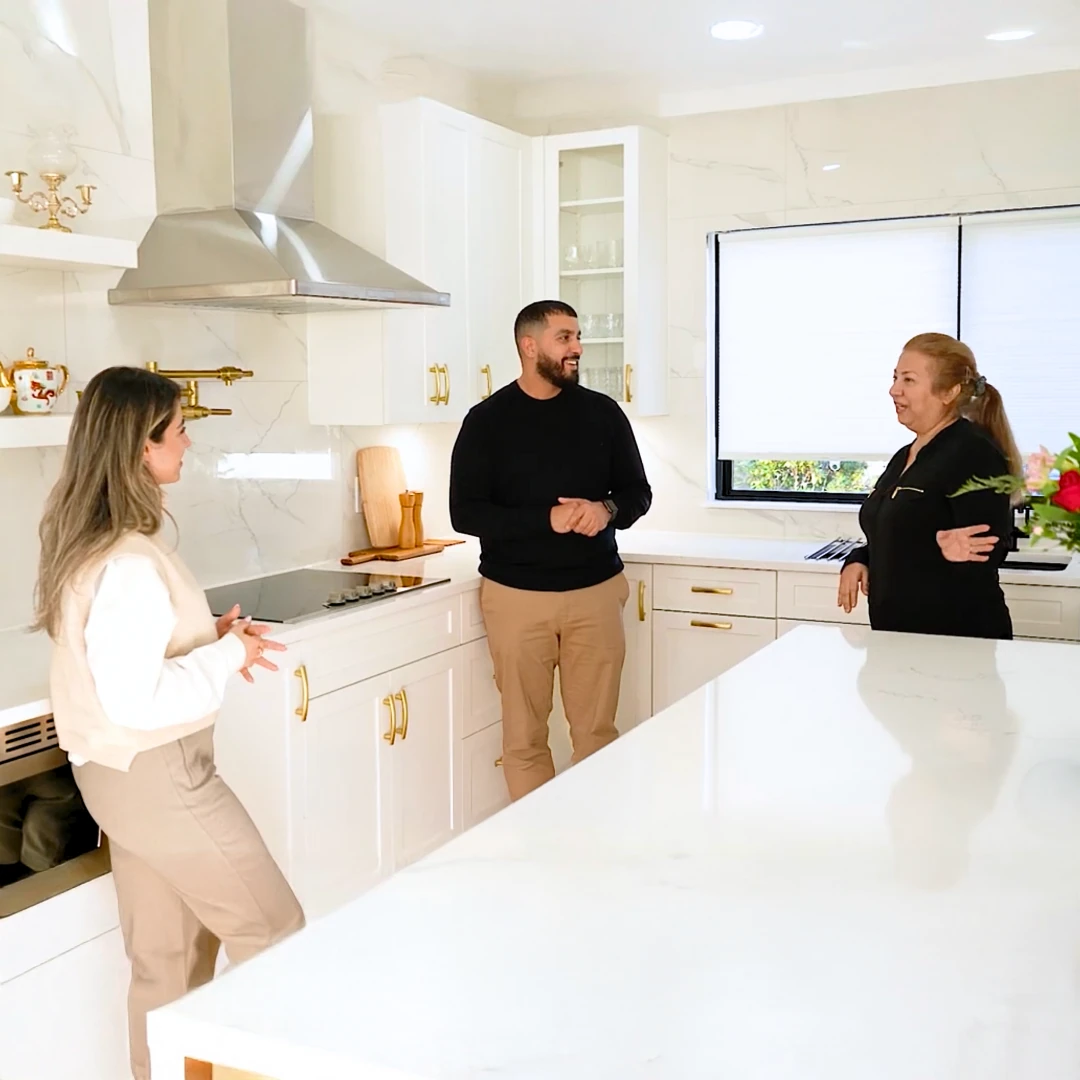
 Richmond” class=”wp-image-12768″ />
The math is simple: a plumbing permit for a bathroom rough-in costs $150–$300. The inspection takes 30 minutes
Vancouver General Contractors
When unpermitted plumbing is identified as a contributing factor to a loss, insurers can and do deny coverage. The policy language typically requires that alterations to the home be completed “in accordance with applicable laws and regulations” — and unpermitted plumbing work is, by definition, not compliant. The result: a six-figure water damage claim denied because a homeowner skipped a $200 permit for a basement bathroom rough-in.
Beyond insurance, plumbing permits matter at resale. In BC, sellers must disclose known defects and unpermitted work on the Property Disclosure Statement. A seller who knows work was done without a permit and fails to disclose it opens themselves to post-sale legal liability. Buyers’ home inspectors routinely check permit history through the City of Vancouver’s online permit search, and they flag any discrepancy between the observed plumbing configuration and what permits are on record. An inspector’s report noting “bathroom addition — no permit on record” kills deals or triggers price renegotiations.
The math is simple: a plumbing permit for a bathroom rough-in costs $150–$300. The inspection takes 30 minutes. The protection that permit provides — against insurance denial, legal liability, and resale complications on a home worth $1.5M–$3M in Vancouver — is essentially priceless. Skipping a permit to save $200 and an afternoon of scheduling is false economy at its most expensive.
There’s also a safety dimension that tends to get lost in the administrative framing. The BC Plumbing Code requirements that inspectors verify — pipe slope, trap installation, cleanout access, backflow prevention — exist because improperly installed plumbing causes real harm: sewage gas intrusion, contaminated water supplies, drain failures that flood living spaces. The permit-and-inspect process is the mechanism that ensures these standards are actually met.
When a Plumbing Permit IS Required in Vancouver
The City of Vancouver issues plumbing permits under the Vancouver Building By-law, which incorporates the BC Plumbing Code. The general rule is that a permit is required any time new plumbing is installed or existing plumbing is altered — meaning any work that goes beyond like-for-like replacement in the same location. Here is a practical breakdown of work categories that require a permit:
New Fixture Installations
Installing a new toilet, sink, bathtub, shower, or dishwasher where no fixture previously existed requires a plumbing permit. This includes adding a powder room to a main floor, putting a sink in a laundry room that previously had only a washing machine hookup, or adding a second sink in a bathroom. The operative test is whether new drain, waste, and vent (DWV) connections are being made or whether a new supply line is being run — if yes, a permit is required.
Suite and Addition Rough-In
Any plumbing rough-in for a new secondary suite, garden suite, laneway house, or home addition requires a plumbing permit. This is among the most common permit applications in Vancouver given the city’s push to legalize secondary suites and increase housing density. The rough-in inspection — completed before concrete is poured or walls are closed — is one of the most critical inspections in the entire construction sequence.
Drain Relocation and New Drain Lines
Moving a floor drain, relocating a shower drain, extending a drain line to serve a new fixture location — any of these require a permit. Drain relocation is extremely common in kitchen and bathroom renovations where the layout is changing, and it is one of the most frequently skipped permits. It is also one of the most critical: an improperly sloped drain or a trap installed incorrectly creates chronic drainage problems and potential sewage gas hazards.
Water Service Changes
Upgrading or relocating the main water service connection to a property requires both a plumbing permit and coordination with the City of Vancouver’s water utility. This includes upgrading an undersized water main service (common in pre-1960 Vancouver homes with 3/4-inch lead or galvanized services), relocating the service entry point, or adding a secondary service for a suite.
Irrigation System Connection
Connecting an underground irrigation system to the residential water supply requires a plumbing permit because a backflow preventer must be installed and inspected. Without a properly installed backflow preventer, irrigation water — which may contain fertilizers, pesticides, or pathogens — can be siphoned back into the potable water supply during a pressure drop event.
Sump Pump Installation
Installing a sump pump in a basement requires a plumbing permit in Vancouver. The permit ensures the discharge is properly directed — to storm drain or daylight, not into the sanitary sewer — and that the installation meets code requirements for float switch, check valve, and alarm systems.
Backflow Preventer Installation
Backflow preventers on the main water service, irrigation connections, or commercial connections require a plumbing permit and inspection. Annual testing of certified backflow assemblies is also required by the City of Vancouver for commercial properties.
| Work Type | Permit Required? | Typical Permit Fee |
|---|---|---|
| New bathroom (full rough-in) | Yes | $250–$400 |
| Basement suite plumbing (kitchen + bath) | Yes | $350–$600 |
| Drain relocation (any fixture) | Yes | $150–$250 |
| New dishwasher with new line | Yes | $150–$200 |
| Irrigation backflow connection | Yes | $150–$200 |
| Sump pump installation | Yes | $150–$200 |
| Water service upgrade | Yes | $300–$600 |
| Whole-house repipe (galvanized replacement) | Yes | $400–$600 |
When a Plumbing Permit Is NOT Required in Vancouver
Just as important as knowing when you need a permit is knowing when you don’t. The BC Plumbing Code and Vancouver Building By-law exempt certain work from permit requirements — specifically, like-for-like replacements that don’t alter the plumbing configuration. Understanding these exemptions prevents unnecessary permit applications and helps you plan renovation sequencing accurately.
Like-for-Like Fixture Replacement
Replacing an existing toilet with a new toilet in the same location — same drain connection, same supply connection — does not require a plumbing permit. The same applies to replacing a bathtub with another bathtub in the same position, or replacing a kitchen sink with a new sink in the same cut-out without moving the drain or supply connections. The key qualifier is “same location, same configuration, no new connections.”
Faucet and Showerhead Replacement
Replacing a faucet, showerhead, or tap without making any changes to the supply piping behind the wall does not require a permit. This is straightforward fixture maintenance and can be completed by a homeowner without a plumber or a permit. If the work does involve supply line changes behind the wall — such as replacing 1/2-inch copper with new PEX supply stubs — a permit is required.
Hot Water Tank Replacement In-Kind
Replacing a gas water heater with another gas water heater of the same configuration, in the same location, using the same fuel connection, typically does not require a plumbing permit in Vancouver (though a gas permit from Technical Safety BC is required for the gas connection — see the gas permits section below). If you are switching fuel types (gas to electric), changing to a tankless on-demand system, or installing a heat pump water heater that requires a new condensate drain, a plumbing permit is required.
Removing a Fixture
Capping and removing an existing plumbing fixture — removing a second sink, decommissioning a floor drain, removing a toilet from a bathroom that’s being converted to storage — typically does not require a permit in Vancouver, provided all pipes are properly capped and there is no new work being done.
When in doubt, call the City of Vancouver Building Department at 604-873-7611 or use the online permit portal before starting work. The building department provides free pre-application consultations and can confirm whether your specific scope requires a permit. Taking 15 minutes to get confirmation is always better than completing unpermitted work and facing retroactive permit requirements.
City of Vancouver Plumbing Permit Process
Vancouver’s plumbing permits are issued by the City of Vancouver’s Development, Buildings, and Licensing department — specifically the Building Permits and Inspections branch. This is distinct from electrical permits, which in Vancouver are handled by the BC Safety Authority (BCSA), not the city. Many homeowners conflate the two, but the application process, fee structure, and inspection system are entirely different for plumbing versus electrical.
Online vs. In-Person Application
The City of Vancouver’s Development and Building Services Centre provides both online permit applications through the Vancouver Permits portal and in-person service at City Hall (453 West 12th Avenue). For simple plumbing permits — a single bathroom rough-in, drain relocation, or suite plumbing — online applications are generally efficient and can be submitted with basic project documentation. More complex projects involving structural changes, multiple dwellings, or commercial elements may require an in-person pre-application meeting.
Who Can Pull a Plumbing Permit
In the City of Vancouver, plumbing permits can be pulled by:
- A licensed plumber — Any Class A or Class B licensed plumber can apply for and pull a plumbing permit as the permit holder. The plumber takes responsibility for the work meeting code and passing inspection. This is the standard route for renovation and construction plumbing.
- A general contractor — General contractors can apply for permits on behalf of the project, with a licensed plumber named as the trade responsible for the plumbing scope.
- A homeowner — Under specific conditions (see the homeowner rights section below), the owner-occupier of a single-family home can apply for a plumbing permit and complete the work themselves. This is permitted under the BC Plumbing Code for owner-occupied principal residences.
Permit Fee Structure
Vancouver’s plumbing permit fees are based on the number of fixture units and the scope of work. As of 2026, the fee structure for residential plumbing permits is approximately:
| Permit Scope | Approximate Fee | Processing Time |
|---|---|---|
| Single fixture / drain relocation | $150–$200 | 5–7 business days |
| Bathroom rough-in (1 bath) | $200–$300 | 5–10 business days |
| Suite plumbing (kitchen + bath) | $300–$500 | 10–15 business days |
| Whole-house repipe | $400–$600 | 10–15 business days |
| Major project / new construction | $500–$1,200+ | 2–4 weeks |
These fees are in addition to any other building permit fees for the broader renovation project. A basement suite legalization, for example, may involve a building permit, a plumbing permit, and an electrical permit — each with separate fees and separate inspection streams.
Inspections Under the Plumbing Permit
Most residential plumbing permits in Vancouver require two inspections:
- Rough-in inspection — Completed after pipes are run and roughed in but before walls are closed or concrete is poured. The inspector verifies pipe slope, trap installation, cleanout access, venting, and proper support. This is the most important inspection — it’s your only opportunity to catch and correct issues before they’re buried in walls or under concrete.
- Final inspection — Completed after fixtures are installed and the system is operational. The inspector verifies fixture installation, confirms no active leaks, checks hot/cold orientation, and signs off the permit as complete.
Inspection requests are typically scheduled 24–48 hours in advance through the City of Vancouver’s online inspection request system or by phone. Inspectors aim to arrive within a specified window (usually a half-day AM or PM window). Someone with knowledge of the work must be on-site during the inspection.
Homeowner Plumbing Rights in BC
One of the most frequently misunderstood aspects of plumbing regulation in BC is what homeowners can legally do themselves. The BC Plumbing Code and associated regulations allow owner-occupiers to complete their own plumbing work on their own principal residence — but with important qualifications that are frequently overlooked.
The Owner-Occupier Exemption
In British Columbia, the owner-occupier of a single-family dwelling can apply for a plumbing permit and complete the permitted work themselves, without being a licensed plumber. This right exists specifically because of the long tradition of homeowners maintaining and improving their own homes. However, the exemption applies only to:
- Your principal residence — the home you actually live in, not a rental property, investment property, or secondary suite you’re renting out
- Single-family dwellings — detached homes and, in most cases, the owner-occupied portion of a duplex
- Work that the owner actually performs themselves, not work supervised by the owner but completed by unlicensed helpers
What Homeowners Can Realistically Do Safely
Even with the legal right to do your own plumbing, there is a significant gap between what is legally permitted and what a typical homeowner can successfully complete without professional training. Work that homeowners with basic skills and the right tools can generally handle successfully includes:
- Like-for-like fixture replacement (toilet, sink, tub) where no DWV changes are required — though this doesn’t even require a permit
- Supply line replacement using flexible connectors or SharkBite-style push-fit fittings
- Irrigation system installation from the hose bib outward (the backflow preventer connection itself is permit-required and somewhat technical)
- Basic shut-off valve replacement
What Homeowners Should NOT Attempt Without Training
Certain plumbing work is legally permissible for owner-occupiers under permit but realistically inadvisable without professional training or significant DIY experience:
- DWV rough-in — Drain, waste, and vent installation requires understanding of code-mandated pipe slopes (1/4 inch per foot for 3-inch drain), trap arm lengths, vent requirements (wet venting, dry venting, AAV placement), and cleanout placement. Errors cause chronic drain problems and potential sewage gas hazards.
- Slab penetrations — Cutting concrete, running drain lines under slab, and achieving proper slope in a constrained under-slab environment is challenging even for experienced plumbers. Mistakes are expensive and buried.
- Main water service work — Anything involving the main shutoff, pressure reducing valve, or service entry requires precise work under pressure.
- Any work in a rental suite — The owner-occupier exemption does not extend to suites being rented. All plumbing in rental suites must be completed by a licensed plumber.
When a Licensed Plumber Is Mandatory
Regardless of the owner-occupier exemption, licensed plumbers are mandatory for: all gas line work in BC (gas fitters only, homeowners cannot do their own gas work), all plumbing in multi-family buildings, all plumbing in rental suites and secondary suites that are being rented, and all commercial plumbing. For most Vancouver homeowners undertaking a significant renovation, hiring a licensed plumber and having them pull the permit is the right approach — the professional accountability, warranty on workmanship, and reduced inspection risk far outweigh the permit fee savings of self-applying.
If you’re planning a renovation that involves any plumbing work, the team at Vancouver General Contractors can connect you with licensed plumbers who handle permit applications as part of their standard service. Our renovation guide also covers how to sequence permit applications within a broader project timeline.
Basement Suite Plumbing in Vancouver
Basement suite legalization is one of the most common renovation projects in Vancouver, driven by the city’s secondary suite policies and the financial incentive of mortgage offset rental income. The plumbing component of a basement suite is almost always the most technically challenging and most expensive part of the project — and it always requires a permit.
Typical Scope of Basement Suite Plumbing
A standard basement suite addition requires, at minimum: one full bathroom (toilet, shower or tub, sink), a kitchenette or full kitchen (kitchen sink, dishwasher connection, potential gas or electric range connection), a dedicated hot water source or connection to the existing water heater, and all associated DWV rough-in connecting to the existing building drain stack. The plumbing-only cost for this scope in Vancouver in 2026 runs $8,000–$18,000 depending on site conditions, primarily driven by whether the existing concrete slab needs to be cut.
The Slab Challenge
Most Vancouver homes built after the 1970s have a concrete slab-on-grade basement floor. Adding a new bathroom or kitchen drain to a slab basement requires cutting the concrete, excavating below the slab, running drain lines at proper slope, and re-pouring concrete. This work alone costs $3,000–$8,000 and is the primary reason basement suite plumbing is more expensive than above-grade bathroom additions.
The slope requirement is the technical challenge: drains must maintain 1/4 inch per foot minimum slope from fixture to the main stack. In a basement where the main stack is near the foundation wall and the desired bathroom is in the far corner, achieving proper slope may require cutting deep into the slab or raising the fixture floor elevation. An experienced plumber will assess this before quoting and should present options with their trade-offs.
Connection to the Existing DWV Stack
All basement suite plumbing ultimately connects to the building’s existing drain-waste-vent stack. The connection point — a sanitary tee on the main 4-inch ABS or cast iron stack — must be carefully planned. In older homes, the main stack may be cast iron, requiring a specialized coupling (Fernco or Mission) to transition to ABS. The plumber must also assess whether the existing stack diameter is sufficient to handle the additional fixture load, or whether an upsized connection or secondary stack is required.
Rough-In Inspection Timing
The rough-in inspection for basement suite plumbing is one of the most timing-critical inspections in any renovation project. The inspector must see all pipes before they are covered — which means inspection must be scheduled after the DWV rough-in is complete but before:
- Concrete is poured over under-slab drains
- Subfloor is installed over the rough-in
- Drywall is installed over wall rough-in
Failing to schedule the rough-in inspection before closing walls is a common and costly mistake. If an inspector cannot see the rough-in, they will require the walls to be opened — at your expense. Plan the rough-in inspection as a hard milestone in your project schedule before any concealment work begins.
The full process for basement suite legalization in Vancouver — permits, inspections, city requirements for egress, ceiling height, fire separation, and electrical — is covered in detail in our Vancouver Renovation Guide. For project-specific assessment, contact our team for a free consultation.
Bathroom Renovation Plumbing Permits
Bathroom renovations are the most common trigger for plumbing permit applications from Vancouver homeowners. Understanding exactly when a permit is and isn’t required for bathroom plumbing helps you plan your project budget and timeline accurately.
Bathroom Permit Trigger Analysis
The permit question in bathroom renovations comes down to whether the plumbing configuration is changing or staying the same:
- Shower-to-tub in same location, no drain change: No permit required. Same drain, same supply connections, same footprint — this is a like-for-like swap even though the fixture type is changing.
- Relocating the shower or tub to a new position: Permit required. Moving the drain location is always a permit trigger.
- Adding a second vanity sink to an existing single-sink bathroom: Permit required. New drain connection and new supply connections are being made.
- Adding a second bathroom anywhere in the home: Always permit required — this is new plumbing from scratch.
- Converting a half bath to a full bath: Permit required — adding a shower or tub is new plumbing.
- Replacing vanity, toilet, and tub in the same positions with new fixtures: No permit required for the fixture replacements themselves, though if the vanity has a new drain configuration or the toilet flange is being moved, a permit is required for those specific changes.
What Inspectors Check in Bathroom Plumbing
At the rough-in inspection, the City of Vancouver inspector will verify:
- Pipe slope: Horizontal drains must maintain 1/4 inch per foot minimum slope toward the stack. The inspector may use a level and measure slope visually or with a slope gauge.
- Trap installation: Every fixture must have a proper trap (P-trap for most fixtures, built-in trap for toilets). Traps prevent sewer gas from entering the living space. S-traps — which drain vertically and can siphon dry — are not permitted under current code.
- Vent connections: All traps must be vented to prevent siphoning. The inspector will trace vent connections to confirm they connect to the vent stack above the highest fixture connection.
- Cleanout access: Main drain lines must have cleanouts at prescribed intervals and at changes in direction exceeding 45 degrees. The inspector will confirm cleanouts are accessible.
- Pipe support: ABS and copper pipe must be supported at code-mandated intervals. Unsupported pipe can sag over time, creating low spots that accumulate debris and block drains.
At the final inspection, the inspector verifies: no active leaks at any connection, correct hot/cold supply orientation (hot left, cold right at all fixtures), proper shower valve type (pressure-balancing or thermostatic as required by BC Plumbing Code), and toilet installation with proper wax ring seal and secure bolting to the floor.
Kitchen Renovation Plumbing Permits
Kitchen renovations in Vancouver frequently trigger plumbing permits, and the most common trigger — sink relocation — is also one of the most frequently attempted without a permit. Understanding the permit requirements for kitchen plumbing helps you plan your renovation correctly and avoid the complications of after-the-fact compliance.
Sink Relocation: The Most Common Kitchen Permit Trigger
Moving the kitchen sink even a short distance — from one side of the kitchen island to the other, from an interior wall to a window wall, from the left side of a galley kitchen to the right — always requires a plumbing permit because it involves relocating the drain connection and extending supply lines. Kitchen sink relocation is among the most common kitchen renovation plumbing tasks and among the most frequently attempted without a permit.
The technical complexity of sink relocation depends on the direction of move: relocating to a position closer to the existing stack is relatively straightforward; moving away from the stack requires extending the drain at proper slope and may require new venting. Moving a sink across the kitchen to an island requires running drain lines under the floor — often requiring floor penetrations and under-floor pipe runs that complicate the rough-in inspection.
Dishwasher Connection
Installing a dishwasher where there was previously no dishwasher requires a plumbing permit because a new dedicated drain connection and water supply line are being installed. The permit also ensures the air gap or high loop drain configuration is properly installed — an improperly installed dishwasher drain can allow dirty water to siphon back into the dishwasher from the sink drain.
Instant Hot Water Taps and Specialty Fixtures
Instant hot water dispensers, filtered water taps, and boiling water taps (such as Zip HydroTap or Quooker systems) are increasingly popular in Vancouver kitchen renovations. These units require a dedicated water supply connection and a drain connection, and in most cases trigger a plumbing permit. Installed cost runs $500–$1,800 depending on the system, not including permit fees.
Renovation Sequencing for Kitchen Plumbing
The correct sequence for a kitchen renovation involving plumbing work is:
- Apply for and receive plumbing permit before any work begins
- Demo existing cabinets and countertops to expose existing plumbing
- Plumber completes rough-in: drain relocation, supply line rough-in
- Schedule and pass rough-in inspection
- Cabinet installation can proceed after rough-in inspection passes
- Counter installation and undermount sink installation
- Plumber returns to connect fixtures, install shut-offs, connect dishwasher
- Schedule and pass final inspection
The inspection between rough-in and cabinet installation is a hard dependency: cabinets cannot be installed until the rough-in inspection passes because the inspector needs to see the exposed pipe work. Projects that attempt to accelerate past this inspection end up with cabinets installed over uninspected rough-in — the most common cause of retroactive permit problems in kitchen renovations.
Galvanized Pipe Replacement in Vancouver Homes
If your Vancouver home was built before 1960, there is a significant probability that some or all of the original supply piping is galvanized steel. Galvanized pipe replacement is one of the most impactful plumbing investments you can make in an older Vancouver home — and one of the most commonly deferred because the problem is invisible until it becomes urgent.
How Galvanized Pipe Fails
Galvanized steel pipe corrodes from the inside out. The zinc coating that gives galvanized pipe its corrosion resistance eventually depletes — particularly in areas with the slightly acidic water supply of Metro Vancouver — and the steel substrate begins to oxidize. The rust doesn’t just discolor the water (though discoloured water is often the first visible sign); it accumulates as scale inside the pipe, progressively reducing the internal diameter.
A 3/4-inch galvanized supply line in a 60-year-old home may have an effective internal diameter of 1/4 inch or less. The result is a cascade of symptoms homeowners often misattribute to other causes: low water pressure throughout the house, slow-filling toilets, inability to run two fixtures simultaneously without pressure loss, discoloured or metallic-tasting water, and reduced flow at shower heads that seem impossible to fix with cleaning or replacement.
Replacement Materials: Copper vs. PEX
The two standard replacement materials for residential supply piping in Vancouver are copper and PEX:
- Copper: The traditional premium choice. Rigid, durable, resistant to UV, rodents, and puncture. Approved for all residential applications. Slightly more expensive to install due to soldering labour. Premium choice for exposed supply in finished spaces.
- PEX (cross-linked polyethylene): Flexible tubing that can often be snaked through walls without opening them at every joist bay. Faster to install, slightly lower material cost, freeze-resistant (it can expand without bursting). The dominant choice for whole-house repiping in Vancouver. Both Type A (Uponor) and Type B (Viega) are widely used.
Whole-House Repipe Cost in Vancouver
A whole-house galvanized pipe replacement in a typical Vancouver character home (1,500–2,500 sq ft, two to three bathrooms) costs $8,000–$18,000 in 2026. The wide range reflects variations in home size, number of fixtures, accessibility of existing pipe runs, and whether the work can be done with minimal wall opening (PEX allows this) or requires significant drywall removal (common with copper in older homes with non-standard joist spacing).
A plumbing permit is required for whole-house repiping. The permit fee runs $400–$600 for this scope. Inspections typically include a rough-in inspection of the new supply piping before walls are closed, and a final inspection after pressure testing confirms no leaks. Pressure testing — pressurizing the new supply system to 100+ PSI for a specified period — is typically completed by the plumber before the rough-in inspection and confirmed to the inspector on-site.
Water Pressure After Replacement
The improvement in water pressure after galvanized replacement is typically dramatic and immediate. Homeowners who have lived for years with the sluggish flow of near-blocked galvanized pipe report that the house feels like a different building after repiping. Showers that could barely produce a trickle at full open suddenly deliver full pressure; two bathrooms can run simultaneously without affecting each other; and the filling time for toilets and bathtubs drops significantly.
Water Heater Replacement: When You Need a Permit
Water heater replacement is one of the most common plumbing tasks in Vancouver homes, and the permit question depends almost entirely on whether you’re making a like-for-like replacement or changing the configuration. Getting this distinction right saves you the compliance risk of an unpermitted change-in-type installation.
Like-for-Like Tank Replacement: Usually No Plumbing Permit
Replacing an existing natural gas storage water heater with a new natural gas storage water heater of similar capacity, in the same location, using the same flue and gas connection, typically does not require a plumbing permit from the City of Vancouver. The gas connection itself does require a gas permit from Technical Safety BC and must be completed by a licensed gas fitter — but the plumbing connection (the hot and cold supply pipes to and from the tank) is considered a like-for-like replacement that falls under the permit exemption.
When a Plumbing Permit IS Required for Water Heater Work
A plumbing permit is required when the water heater installation involves a change from the existing configuration:
- Switching from gas to electric: Change in fuel type triggers both a plumbing permit (for the piping changes) and an electrical permit (for the new 240V circuit).
- Switching from tank to tankless: A new tankless water heater typically requires a new gas line configuration (or new electrical service), different pipe connections, and condensate drain installation — all of which require a plumbing permit.
- Heat pump water heater installation: Heat pump water heaters require a new condensate drain line and often a new electrical connection, both of which trigger permits. Heat pump water heaters are increasingly popular in Vancouver given the rebates available through BC Hydro and FortisBC.
- Relocating the water heater: Moving the water heater from its existing location to a different mechanical room or alcove requires a plumbing permit for the new pipe connections.
Expansion Tanks and Pressure Reducing Valves
When replacing a water heater in a home with a closed system (a pressure reducing valve on the main supply), BC code requires an expansion tank to accommodate thermal expansion. If the existing installation lacks an expansion tank, its addition during a water heater replacement is a code-required change — and in some cases triggers the requirement for a permit to confirm the installation.
Gas Permits: Separate from Plumbing in BC
Gas work in British Columbia is regulated separately from plumbing and falls under Technical Safety BC (TSSBC) jurisdiction, not the City of Vancouver’s Building Department. Understanding this distinction prevents permit application errors and ensures the right tradespeople are engaged for the right scope of work.
Who Regulates Gas Permits in BC
Technical Safety BC oversees the Gas Safety Act in British Columbia. All gas fitting work — natural gas and propane — must be performed by a licensed gas fitter holding a BC Gas Fitting Certificate of Qualification. Homeowners cannot legally perform their own gas work in BC, regardless of their owner-occupier status for plumbing. This is a firm rule with no exemptions, grounded in the life-safety risk of gas leaks and improper combustion.
What Requires a Gas Permit
Any new gas line installation or modification requires a gas permit from Technical Safety BC:
- Adding a BBQ gas line or patio gas outlet
- Installing a gas fireplace or gas fireplace insert
- Replacing a furnace or boiler (new gas connection required)
- Converting a range from electric to gas
- Installing a gas generator connection
- Extending gas line to a suite (when adding suite appliances)
- Moving the gas meter or main gas line
Gas Permit Cost and Process
Gas permits in BC through Technical Safety BC cost approximately $150–$400 depending on scope. The permit application is submitted by the licensed gas fitter, who is also responsible for the inspection and pressure test of the new gas piping. Technical Safety BC gas inspectors are independent of the City of Vancouver — you do not schedule gas inspections through the city’s inspection system.
For projects that involve both plumbing and gas work — a new kitchen with a gas range and sink relocation, a basement suite with a gas fireplace and bathroom plumbing — two separate permits are required: a plumbing permit from the City of Vancouver, and a gas permit from Technical Safety BC. Make sure your general contractor or the permit-pulling trades understand which authority issues which permit; it is common for project teams to confuse the two and submit to the wrong agency.
| Work Type | Permit Type | Issuing Authority | Who Can Do Work |
|---|---|---|---|
| New bathroom plumbing | Plumbing permit | City of Vancouver | Licensed plumber or owner-occupier |
| Electrical panel / circuits | Electrical permit | BC Safety Authority (BCSA) | Licensed electrician or owner-occupier |
| Gas line / appliance | Gas permit | Technical Safety BC | Licensed gas fitter only |
| Structural / general construction | Building permit | City of Vancouver | Licensed contractor or owner-occupier |
Finding and Hiring a Licensed Plumber in Vancouver
Hiring the right plumber for a permitted renovation project in Vancouver involves more than choosing the lowest quote. The plumber who pulls your permit becomes the permit holder and is professionally responsible for the work meeting code and passing inspection. That accountability structure is valuable — it means the plumber has a professional stake in getting the work right, not just getting it done.
Verifying Plumber Licensing in BC
All licensed plumbers in BC must hold a Certificate of Qualification issued by SkilledTradesBC (formerly Industry Training Authority). Class A Journeyman Plumbers are fully licensed for all residential and commercial plumbing. Class B Restricted Plumbers may have limits on the scope of work they can perform independently. You can verify a plumber’s license status through SkilledTradesBC’s online registry.
What to Ask Before Hiring
Before engaging a plumber for permitted renovation work, confirm:
- They are a licensed Class A Journeyman Plumber or a licensed plumbing contractor
- They will pull the permit and include the permit fee in their quote
- Their quote covers both the rough-in and final inspection visits (some plumbers quote only the rough-in and charge separately for fixture connections and final inspection)
- They carry WorkSafeBC coverage (ask for their CGL insurance certificate and WorkSafeBC clearance letter)
- They have experience with your specific scope — galvanized repipe, slab cutting, suite plumbing, etc.
At Vancouver General Contractors, we work with a vetted network of licensed Vancouver plumbers who handle permit applications as part of their standard service. For major plumbing projects — suite legalization, full bathroom additions, galvanized replacement — we coordinate the plumbing scope as part of an integrated renovation project, ensuring the inspection sequence is properly managed and the permit process doesn’t become a critical path bottleneck. Contact our team to discuss your project.
More Permits & Regulations Guides

Vancouver vs. Burnaby Building Permit: Key Differences for Renovation Projects

After-the-Fact Permit vs. Getting It Right Upfront in Metro Vancouver

Owner-Builder vs. Hiring a Contractor in BC: When Can You DIY Your Renovation?
HVAC Permit: Heat Pump and Furnace Certification in BC
Green Building Standards: LEED and Built Green in Vancouver
Ready to start your renovation?
Frequently Asked Questions: Plumbing Permits in Vancouver
1. Is a plumbing permit in Vancouver issued by the City or by BC Safety Authority?
Plumbing permits in Vancouver are issued by the City of Vancouver’s Building Department — not BC Safety Authority (BCSA). BCSA issues electrical permits. This is a common point of confusion because both types of work require permits and inspections, but they go through entirely different systems with different application processes, different inspectors, and different fee schedules. Gas permits come from a third agency: Technical Safety BC. When in doubt, call the City of Vancouver Building Department at 604-873-7611 for plumbing, and BC Safety Authority for electrical.
2. Can a homeowner pull their own plumbing permit in Vancouver?
Yes, with conditions. The owner-occupier of a single-family home can apply for a plumbing permit and complete the work themselves on their own principal residence. This does not apply to rental properties, secondary suites being rented, or multi-family buildings. The homeowner must also actually perform the work themselves — not hire an unlicensed person to do it under a homeowner permit. For most homeowners, having a licensed plumber pull the permit and complete the work provides better outcomes and reduces inspection risk.
3. How much does a plumbing permit for a bathroom renovation cost in Vancouver?
A plumbing permit for a single bathroom rough-in in Vancouver typically costs $200–$300 as of 2026. The fee is based on the number of fixtures and the scope of work. A full bathroom (toilet, shower, sink) with new DWV rough-in will be at the higher end of that range. For a basement suite with both a bathroom and kitchenette, the permit fee may run $350–$500. These fees are in addition to the plumber’s labour charges.
4. How urgent is galvanized pipe replacement?
Galvanized pipe replacement urgency depends on the age of the pipe and the current water pressure. If your pre-1960 Vancouver home still has original galvanized supply piping and you are experiencing reduced water pressure, discoloured water, or slow fixture filling, the pipe is likely substantially blocked and replacement is high priority. Galvanized pipe doesn’t fail catastrophically like copper does — it doesn’t burst suddenly. Instead, it continues to corrode until flow is nearly zero, then may begin to develop pinhole leaks as the pipe wall thins. If your galvanized is still providing reasonable flow, monitor it but plan for replacement within 5 years. If it’s already affecting daily life, replace it now.
5. What’s the process for getting a plumbing permit for a basement suite in Vancouver?
The process: (1) Determine the full scope of plumbing work — fixtures, drain connections, stack connection points. (2) Apply for a plumbing permit through the City of Vancouver’s online portal or in person at City Hall, with a basic site plan showing existing and proposed plumbing. (3) Receive permit approval (5–15 business days for typical suite scope). (4) Plumber completes DWV rough-in. (5) Schedule rough-in inspection before any walls are closed or concrete poured. (6) Pass rough-in inspection — walls can close. (7) Plumber installs fixtures. (8) Schedule and pass final inspection. Note: suite legalization also requires a building permit (for construction work), which is a separate application and may have a longer processing timeline.
6. How much does slab cutting for a new basement drain cost in Vancouver?
Cutting concrete slab to install new drain lines in a basement costs $3,000–$8,000 in Vancouver in 2026, depending on the length of the trench run, the depth required to achieve proper slope, the thickness of the slab, and site accessibility. The cost includes concrete cutting, excavation, pipe installation, gravel bedding, and concrete re-pour. This cost is in addition to the plumber’s charges for the drain line installation itself. Projects with complex routing — long drain runs, changes in direction, connection to a deep stack — are at the higher end.
7. Will replacing galvanized pipe fix my water pressure problem?
In most cases, yes — dramatically. If low water pressure in a pre-1960 Vancouver home is caused by galvanized pipe scale buildup (the most common cause), replacing galvanized with copper or PEX will restore full municipal supply pressure to all fixtures. However, if the low pressure is caused by a pressure reducing valve set too low, a partially closed main shutoff, or low municipal pressure at the street, replacing the pipe won’t solve the problem. A good diagnostic first step: measure water pressure at the main hose bib using a pressure gauge ($20 at any hardware store). Municipal supply in Vancouver runs 60–100 PSI at the main. If your pressure gauge reads 60+ PSI at the hose bib but you have low pressure at interior fixtures, galvanized blockage inside the house is the likely culprit.
8. Do I need a permit to replace my hot water tank in Vancouver?
For a like-for-like replacement — same fuel type, same location, same configuration — a plumbing permit is typically not required. However, you do need a gas permit from Technical Safety BC if the tank is gas-fired, and the gas connection must be done by a licensed gas fitter. If you’re switching from a tank to a tankless system, switching fuel types, adding a heat pump water heater, or moving the water heater to a new location, a plumbing permit is required. When uncertain, call the City of Vancouver Building Department — they can confirm whether your specific replacement scenario requires a permit.
9. What’s the difference between a gas permit and a plumbing permit?
A plumbing permit covers water supply, drain, waste, and vent (DWV) systems — everything that carries water or drains. It is issued by the City of Vancouver and can be pulled by a licensed plumber or an owner-occupier. A gas permit covers natural gas and propane piping and appliance connections — everything that carries gas fuel. It is issued by Technical Safety BC and can only be pulled and performed by a licensed gas fitter; homeowners cannot do their own gas work. A project involving both a new bathroom and a gas fireplace in a basement suite needs both permits from two different agencies.
10. What is the inspection sequence for a bathroom addition?
For a bathroom addition in Vancouver: (1) Apply for and receive plumbing permit (and building permit if there’s any structural work). (2) Complete framing rough-in (building inspection if required). (3) Plumber completes DWV rough-in — all drain, waste, and vent pipes installed, connected to stack, all stub-outs in place. (4) Schedule and complete rough-in plumbing inspection. Do not close walls until this inspection passes. (5) Electrical rough-in (BCSA inspection if required). (6) Drywall and wall finishes. (7) Plumber installs fixtures — toilet, vanity, shower valve, tub. (8) Schedule and complete final plumbing inspection. (9) Building inspector completes final building inspection if a building permit was also required.
11. How long does a plumbing inspection take in Vancouver?
A typical residential rough-in plumbing inspection takes 20–45 minutes. A final inspection takes 15–30 minutes. Inspectors from the City of Vancouver Building Department are usually efficient and focused on the key code compliance items. You will need to have someone on-site who can answer questions about the work and provide access to all areas where pipes are visible. The inspector issues a pass/fail determination at the end of the inspection and, in cases of failure, will describe the specific deficiencies that need to be corrected before a re-inspection can be scheduled.
12. What happens if a plumbing inspection fails?
If a rough-in or final plumbing inspection fails, the inspector documents the specific code deficiencies. The plumber must correct all noted deficiencies before requesting a re-inspection. There is typically a re-inspection fee ($75–$150). You cannot close walls or proceed with the next phase of work until the inspection passes. If you’ve already closed walls before a required inspection, the inspector may require the walls to be opened to expose the work — at your cost. This is why scheduling inspections at the right point in the work sequence is critical.
13. What are the most common reasons plumbing inspections fail in Vancouver?
The most common rough-in inspection failures in Vancouver residential plumbing are: insufficient pipe slope on horizontal drains (the 1/4 inch per foot minimum is frequently marginally underachieved), missing or incorrectly installed vents (particularly wet vent configurations that don’t meet code), improper trap installation (S-traps or trap arm lengths that exceed code limits), missing cleanouts at required locations, and inadequate pipe support. At final inspection, the most common failures are: active leaks at drain connections or supply connections (often at compression fittings that weren’t fully tightened), incorrect hot/cold orientation, and missing escutcheon plates or trim on shower valves.
14. Can I look up plumbing permits for a home I’m considering buying?
Yes. The City of Vancouver provides an online permit search tool at vanmapp.vancouver.ca where you can search by address and see all building, plumbing, electrical, and other permits issued for a property going back decades. This is standard practice for buyers’ home inspectors and for buyers themselves. A property with a finished basement bathroom but no plumbing permit on record is a red flag. If you’re buying a home and the seller claims a renovation was completed “before permit records were kept” but the home is clearly from the 1990s — when digital records existed — that explanation warrants further investigation.
15. What does unpermitted plumbing cost to remediate?
Retroactively permitting unpermitted plumbing work varies enormously depending on when it was done and whether it meets current code. If the work is accessible and meets the BC Plumbing Code, the city may issue a retroactive permit and conduct a normal inspection — cost is the standard permit fee plus potential plumber fees to make any code corrections. If the work was done correctly but is concealed behind finished walls, the inspector may require opening walls to verify the work — adding $500–$3,000 in drywall and finishing costs. If the work does not meet code (wrong pipe slope, missing vents, incorrect trap configurations), corrections must be made — which may require significant rework at costs of $2,000–$15,000 or more depending on scope. The worst-case scenario: a complete unpermitted bathroom in a basement that requires demolition and full rebuild to meet current code before a retroactive permit can be issued. It is always far less expensive to permit work correctly the first time.
Ready to Start Your Plumbing Renovation in Vancouver?
Whether you’re adding a basement suite, replacing galvanized pipe throughout a character home, completing a bathroom renovation, or legalizing plumbing work in an older Vancouver property, the permit process is manageable when you understand what’s required and work with trades who are experienced with City of Vancouver requirements.
Vancouver General Contractors coordinates all aspects of residential renovation projects in Vancouver, including plumbing permit applications, licensed plumber coordination, and inspection scheduling. We manage the permit process so you don’t have to navigate it alone, and we’ve completed plumbing-involved renovations on hundreds of Vancouver properties from Point Grey to Renfrew, from Kitsilano to East Van.
To discuss your project, get a permit timeline estimate, or connect with a licensed Vancouver plumber for a free quote, contact our team today. You can also explore our complete renovation guide for more information on the full permit and renovation process in Vancouver, or visit our home renovation services page to see the full scope of projects we manage.
Get a Free Renovation Quote
Metro Vancouver’s trusted general contractors. Free consultations across Vancouver, Burnaby, Richmond, North Shore & beyond.
Get Your Free Quote →
Comments are closed