




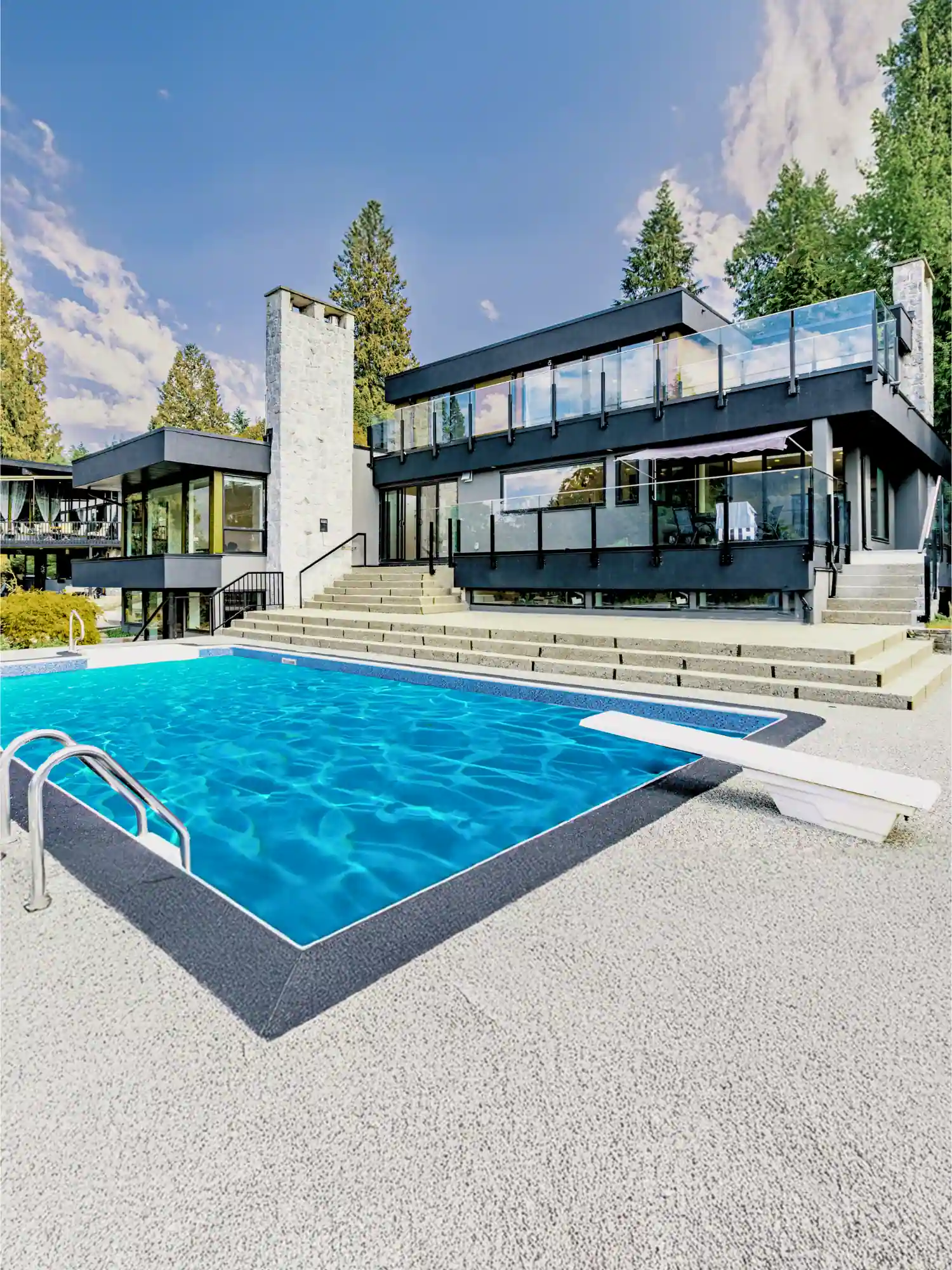
Shaughnessy Renovation Guide: Heritage Estate Homes, HAP Permits & Luxury Costs (2026)
Shaughnessy is in a category of its own. Nowhere else in Metro Vancouver will you find this concentration of estate-scale heritage homes — Tudor Revival mansions on half-acre lots, Edwardian estates with original carriage houses, Colonial Revival homes with mature formal gardens that have barely changed since the 1920s. When owners in this neighbourhood renovate, the stakes are high in every direction: the homes are extraordinary, the heritage regulations are among the strictest in the city, and the investment required to do the work properly runs well into the hundreds of thousands — often exceeding a million dollars. This guide is written for Shaughnessy homeowners, their architects, and the professionals who work with them. It covers the regulatory landscape, realistic costs at the estate scale, the systems challenges these magnificent old structures present, and what to look for in a contractor capable of delivering results at this level.
Why Shaughnessy Is Vancouver’s Most Prestigious Renovation Neighbourhood
Shaughnessy was not an accident. The Canadian Pacific Railway developed the neighbourhood deliberately beginning in 1907, creating a planned residential enclave of large lots, curvilinear streets, and deed restrictions designed to attract Vancouver’s business elite. The CPR reserved the most significant parcels — the ones with the grandest addresses on The Crescent, Angus Drive, and Matthews Avenue — for homes that would signal the neighbourhood’s character for generations. Between 1907 and 1930, Shaughnessy accumulated the largest concentration of estate-scale heritage homes in Metro Vancouver, and that concentration remains intact today.
The neighbourhood is formally divided into three sub-areas, each with distinct heritage character and regulatory implications. First Shaughnessy, bounded roughly by King Edward Avenue, Granville Street, 16th Avenue, and Arbutus Street, contains the original CPR subdivision and is subject to the First Shaughnessy Design Guidelines — the most comprehensive heritage overlay of any residential area in the City of Vancouver. Second Shaughnessy lies to the south and east, with homes that are slightly younger and somewhat less regulated, though still subject to Heritage Alteration Permit requirements for many alterations. Third Shaughnessy encompasses the further reaches, with a mix of heritage and mid-century construction and fewer mandatory heritage controls on individual properties.
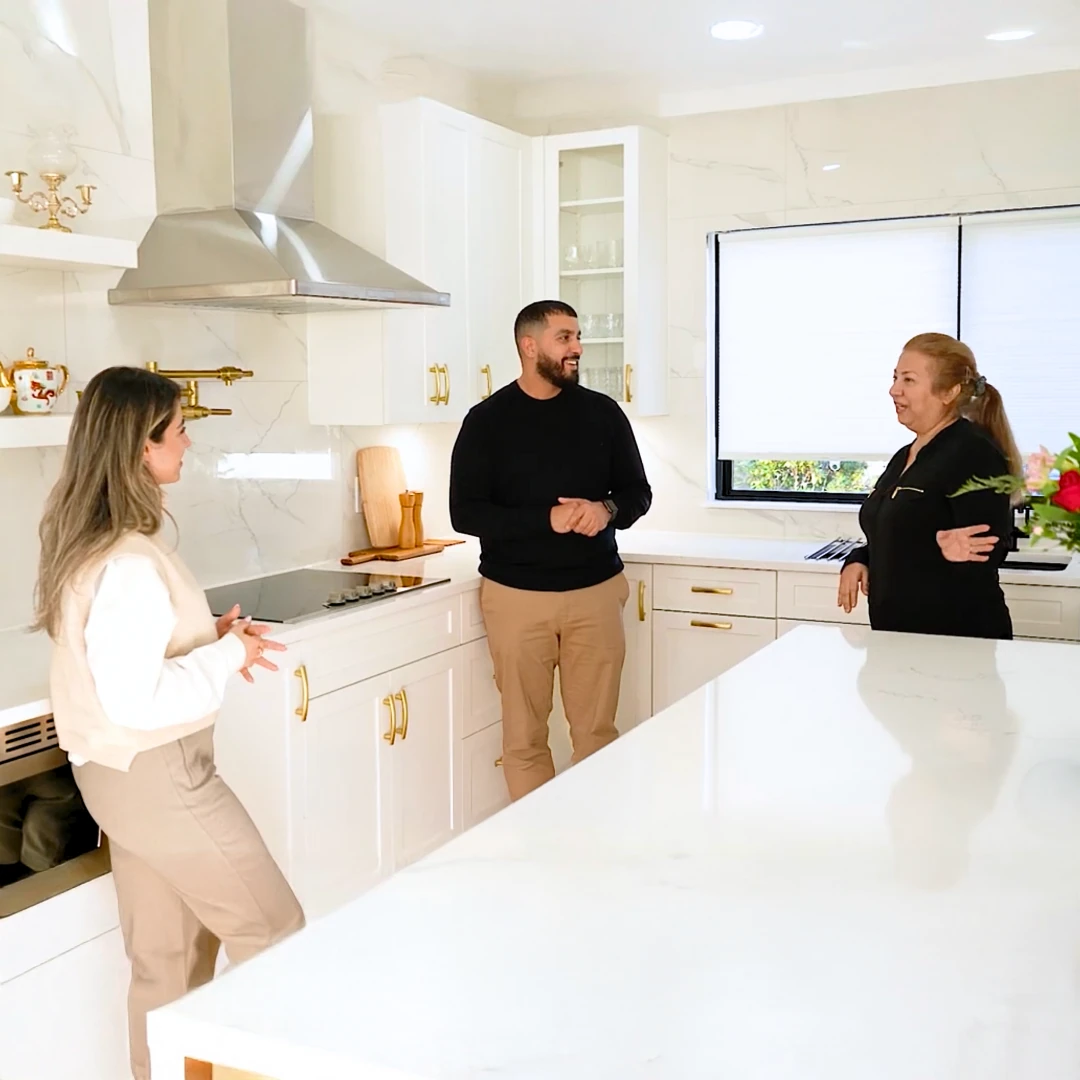
International buyers have been a significant force in the Shaughnessy market for decades, and this shapes renovation patterns
Vancouver General Contractors
Home values in Shaughnessy range from approximately $3 million for a smaller estate in Third Shaughnessy to $15 million or more for a landmark First Shaughnessy property on a premier street. Lots range from 0.5 to 1.5 acres, and many homes occupy 4,000 to 10,000 square feet of above-grade floor area. At these price points, the economics of renovation are compelling: a $5 million home justifies $500,000 to $1 million in renovations that bring it to contemporary standards while preserving its heritage character. A $10 million estate may support a full restoration and modernization program exceeding $2 million. The return on investment in this market segment is driven not only by improved livability but by the premium buyers pay for Shaughnessy properties that have been properly maintained and sensitively upgraded.
International buyers have been a significant force in the Shaughnessy market for decades, and this shapes renovation patterns. Buyers who have purchased a $7 million or $10 million property often arrive with ambitious renovation plans, bringing expectations from international luxury markets alongside the challenge of understanding Vancouver’s heritage regulatory environment. Getting the regulatory strategy right from the beginning — understanding what requires Heritage Alteration Permits, how to structure phased renovation programs, and how to balance interior modernization with exterior conservation — is the foundation of a successful Shaughnessy renovation project.
Shaughnessy’s Housing Stock: What You Are Working With
Understanding what you own is the starting point for any Shaughnessy renovation. The neighbourhood’s housing stock is dominated by Tudor Revival architecture, which accounts for perhaps 40 percent of First and Second Shaughnessy homes. Tudor Revival in Vancouver typically features steeply pitched roofs with prominent gables, decorative half-timbering on upper facades, leaded casement windows, brick or stone lower facades, and elaborate entry features. These homes are visually dramatic and present specific restoration challenges: the half-timbering requires periodic maintenance or replacement, the leaded windows are irreplaceable originals in many cases, and the asymmetrical massing creates complex structural arrangements.
Colonial Revival represents the second most common style, characterized by symmetrical facades, columns, dormer windows, and classical detailing. These homes tend to be larger and more formally organized than Tudor Revival examples, with double-loaded corridors, large formal rooms, and service wings that were originally staffed. Arts and Crafts bungalows appear in portions of the neighbourhood, particularly in areas developed in the late 1920s and 1930s, offering a more intimate scale and a design vocabulary that emphasizes natural materials and craftsmanship. Edwardian homes from the earliest development period — 1907 to 1915 — are among the most historically significant, featuring the formal room arrangements and generous proportions of that era.
Nearly all significant Shaughnessy properties include outbuildings. Coach houses and carriage houses, built to house horses, carriages, and early automobiles, are standard features of estate properties and represent significant renovation opportunities in their own right. Many properties also retain original garden features — stone walls, formal plantings, mature specimen trees — that are subject to their own regulatory protections under the City’s tree protection bylaw and, in First Shaughnessy, under the heritage character area guidelines.
A substantial number of Shaughnessy properties appear on the Vancouver Heritage Register, which maintains records of buildings with recognized heritage value. Listing on the Heritage Register does not automatically restrict what you can do with a property, but it does affect the permit process and may trigger additional scrutiny for proposed exterior alterations. Properties designated under the Heritage Conservation Act — a smaller subset — carry legal protections that restrict demolition and significant alteration. Understanding where your property sits within this regulatory hierarchy is essential before developing renovation plans.
Shaughnessy Renovation Costs: What to Budget
Renovation costs in Shaughnessy are consistently higher than Vancouver averages for several reasons: the scale of these homes demands more material and labour per project, heritage-quality materials and craftsmanship command premium pricing, the regulatory process (Heritage Alteration Permits, heritage consultant fees, specialized drawings) adds professional costs with no equivalent in non-heritage renovations, and the complexity of working within occupied historic structures — managing structural surprises, systems incompatibilities, and the need to preserve existing character elements — increases labour time and therefore cost. The figures below reflect the Shaughnessy context specifically, not Vancouver renovation costs generally.
| Scope | Typical Range | Notes |
|---|---|---|
| Kitchen renovation | $80,000–$200,000 | Custom cabinetry, high-end appliances, stone counters; upper end includes structural changes |
| Bathroom renovation (primary) | $45,000–$120,000 | Full gut, heated floors, custom tile, steam shower, freestanding tub |
| Bathroom renovation (secondary) | $25,000–$60,000 | Full gut with quality finishes; period-appropriate detailing |
| Heritage exterior restoration | $80,000–$180,000 | Facade, windows, roof, drainage; HAP required; heritage drawings $15K–$35K |
| Primary suite full renovation | $100,000–$250,000 | Bedroom, ensuite, dressing room, closets; potential structural work |
| Full home renovation (phased) | $500,000–$2,000,000+ | All trades, systems, interior finishes; heritage exterior work additional |
| Coach house / carriage house conversion | $150,000–$350,000 | Full conversion to habitable suite or studio; includes systems, HAP if exterior changes |
| Pool installation | $120,000–$300,000 | In-ground pool; upper end includes heating, automation, finishing |
| Pool house / cabana | $150,000–$400,000 | Structural building with plumbing, HVAC, quality finishes |
| Outdoor kitchen and entertainment area | $60,000–$180,000 | Built-in cooking, counters, covered structure, lighting, heating |
| Electrical service and panel upgrade | $25,000–$60,000 | 400A service typical for large homes; knob-and-tube remediation additional |
| Plumbing system overhaul | $40,000–$120,000 | Cast iron, galvanized, lead service line replacement; scope varies significantly |
| Seismic / structural upgrade | $50,000–$120,000 | Foundation anchoring, cripple wall bracing, shear panels; engineering required |
| HVAC system replacement | $40,000–$100,000 | Forced air system; radiant hydronic systems $80K–$200K; zoning adds cost |
| Home theatre | $80,000–$300,000 | Dedicated room, acoustic treatment, projection/display, seating, automation |
| Wine cellar (climate controlled) | $40,000–$150,000 | Custom racking, cooling unit, stone or tile, lighting; lower end is modest room |
| Elevator retrofit | $60,000–$150,000 | Residential elevator in existing structure; structural cutting and framing required |
These figures assume quality execution appropriate to the neighbourhood — not the lowest available price. Shaughnessy homeowners consistently report that attempting to economize on renovation quality in this context produces results that are visually incompatible with the home’s character and ultimately disappointing. The additional cost of doing the work correctly the first time is invariably less than the cost of redoing substandard work, and in a heritage context, substandard work may also create regulatory complications that are expensive to resolve.
First Shaughnessy Heritage Character Area: Understanding the Overlay
First Shaughnessy is subject to the most significant heritage overlay in any residential area of the City of Vancouver. The First Shaughnessy Design Guidelines, administered by the City’s Heritage staff, govern all exterior alterations that are visible from a street or lane. This coverage is broad: it includes not only the primary facade but side facades visible from flanking lanes, rear additions visible from rear lanes, and outbuildings. The guidelines apply regardless of whether your property is individually listed on the Heritage Register — they apply to all properties within the First Shaughnessy Heritage Character Area boundary.
The guiding principle is the Secretary of State Standards for the Treatment of Historic Properties — the same federal standards used across North America for heritage conservation work. In practice, this means proposed alterations are evaluated against four criteria: preservation of original fabric where possible, sensitive repair using like-for-like materials when original fabric cannot be preserved, sympathetic additions that are distinguishable from original construction but compatible in scale, materials, and character, and avoidance of changes that damage or obscure original character-defining features. City Heritage staff apply these principles with a level of thoroughness that reflects the neighbourhood’s significance — applications that are vague, that propose inappropriate materials, or that lack supporting documentation are routinely sent back for revision.
The Shaughnessy Character Homes Guidelines document, available from the City of Vancouver planning department, provides detailed guidance on approved approaches for windows, doors, cladding, additions, and outbuildings in each architectural style common to the neighbourhood. For Tudor Revival homes, for example, the guidelines address the appropriate treatment of half-timbering, the required profiles for replacement casement windows, the acceptable materials for re-roofing, and the design parameters for additions to the rear or side of the building. Architects and heritage consultants working in First Shaughnessy should be thoroughly familiar with this document before preparing Heritage Alteration Permit applications.
Heritage consultants are not legally required for HAP applications, but they are practically essential for any project of significance. The heritage consultant’s role is to prepare a Heritage Impact Assessment (HIA) or Statement of Significance as required, document the existing heritage character of the property, assess the impact of proposed changes against the Secretary of State Standards, and present the application in the format and language that City Heritage staff expect. A well-prepared application by an experienced heritage consultant substantially reduces the likelihood of revision requests and the time required to obtain approval. Heritage consultant fees for a Shaughnessy exterior renovation project typically range from $8,000 to $25,000 depending on project scope and complexity.
The HAP timeline in First Shaughnessy typically runs 8 to 20 weeks from submission of a complete application to permit issuance. Incomplete or deficient applications extend this timeline significantly. Projects that are referred to the City’s Urban Design Panel — required for additions exceeding certain thresholds and for projects that City staff identify as having significant heritage implications — add four to eight weeks to the process. Planning for the HAP timeline is essential: renovation contractors cannot begin exterior work until the HAP is issued, and the permit process runs parallel to, not simultaneous with, construction permit applications for structural and systems work.
Heritage Alteration Permits: The Application Process in Detail
A Heritage Alteration Permit is required in First Shaughnessy for any exterior alteration visible from a street or lane. This includes window replacement, door replacement, re-cladding or re-siding of any facade, re-roofing (when it changes the roofing material), additions of any size, new outbuildings or alterations to existing outbuildings, changes to fencing or retaining walls visible from the street, and any demolition of exterior elements. The test is visibility from public right-of-way, applied broadly. Work that is genuinely hidden from all public vantage points — for example, a rear deck in a walled garden — may not require a HAP, but this determination should be confirmed with City Heritage staff before proceeding.
The application package for a typical HAP in First Shaughnessy includes: a site plan showing the property, existing building(s), and proposed changes; existing condition photographs of all elevations; architectural drawings prepared by a licensed architect showing existing and proposed conditions at a minimum of 1:100 scale (1:50 preferred for complex projects); material specifications for all proposed replacement materials; a heritage rationale prepared by a heritage consultant explaining how the proposed work meets the Secretary of State Standards; and any structural or engineering drawings required to explain the proposed construction approach. Applications that do not include all required components are deemed incomplete and are returned without review.
Materials approval is a central element of HAP review. For window replacement — one of the most common exterior renovations in Shaughnessy — approved materials are wood windows matching the original profile, with divided light patterns that replicate the original glazing. Aluminum-clad wood windows are acceptable when the aluminum cladding profile closely matches the wood profile and the colour is appropriate. Vinyl windows are not approved for visible locations in First Shaughnessy under any circumstances. Contemporary aluminum storefront systems are not approved. The review of window replacement proposals frequently involves detailed discussion of sill profiles, meeting rail dimensions, glazing bar profiles, and hardware specifications — a level of detail that surprises owners coming from non-heritage renovation contexts.
Additions to First Shaughnessy homes require particularly careful design. The guidelines call for additions that are “clearly subordinate” to the original building in scale and massing, that are set back from the primary facade sufficiently to read as secondary elements, and that use materials and detailing that are compatible but distinguishable from original construction. A common approach is a rear addition with a simple contemporary expression — clean lines, compatible materials, recessed connection to the original building — that satisfies the requirement for legibility without attempting a false historical recreation. Additions that attempt to replicate the original style exactly are actually discouraged, as they can obscure the authentic original fabric. This is a nuanced design challenge that requires architects with heritage experience.
The cost of heritage drawings for a Shaughnessy HAP application is a legitimate project expense. Architect fees for preparing HAP drawings on a typical exterior renovation project run $15,000 to $35,000 depending on scope, in addition to standard building permit drawings. Heritage consultant fees add $8,000 to $25,000. For a major exterior project — full facade restoration, new addition, outbuilding conversion — total professional fees for the heritage permit process alone may reach $50,000 to $80,000 before any construction begins. These costs are unavoidable and should be included in project budgets from the outset.
Interior Renovation as Strategy: Modern Living Behind Heritage Facades
Given the complexity and cost of exterior work in First Shaughnessy, many homeowners pursue a deliberate strategy of focusing renovation investment on the interior, where the heritage overlay does not apply and where the opportunities to dramatically improve livability are most immediately achievable. This is not a second-best approach — it is a sophisticated strategy that has produced some of the most remarkable homes in the neighbourhood. The result, at its best, is a heritage exterior that presents exactly as the architect intended in 1920, containing a completely contemporary interior that meets every expectation of modern luxury living.
The kitchen is typically the first priority. Original Shaughnessy kitchens were service spaces designed for domestic staff, with layouts, proportions, and systems that have no relationship to contemporary cooking culture or family life. Transforming an original service kitchen into a contemporary culinary space — with integrated appliances, custom cabinetry, stone counters, a large island, butler’s pantry, catering kitchen, and connections to indoor and outdoor dining areas — is a $100,000 to $200,000 project that transforms daily life in the home without triggering any heritage review process. The exterior walls do not change; the windows remain; the facade is untouched.
Bathroom renovations in Shaughnessy typically require complete replacement of original bathroom fixtures, tile, and plumbing rough-in. Many original bathrooms retain their 1920s or 1930s layout — which reflects the plumbing constraints of that era rather than any design merit — and are far smaller than contemporary primary suites require. Opening walls, reconfiguring layouts, and incorporating heated floors, steam showers, freestanding tubs, and custom vanities is standard in a Shaughnessy bathroom renovation. A primary ensuite renovation in this market typically costs $60,000 to $120,000; homeowners who have looked at comparable properties in other cities often note that Vancouver heritage properties offer an unusual opportunity to create world-class contemporary bathrooms within architecturally extraordinary shells.
Systems modernization is both a priority and an opportunity. The electrical, plumbing, and HVAC systems in a 1920s Shaughnessy home have typically received piecemeal upgrades over the decades, resulting in layered systems of inconsistent age and reliability. A comprehensive systems renovation — replacing knob-and-tube wiring, upgrading to 400-amp electrical service, replacing cast iron and galvanized plumbing, installing a new HVAC system with modern zoning — substantially improves both the functionality and the safety of the home. Because systems work is largely interior and structural, it typically does not require a Heritage Alteration Permit, though building permits are required for electrical, plumbing, and structural work as in any residential renovation.
Smart home integration has become standard in Shaughnessy renovations at the luxury tier. Lutron lighting control, Crestron automation systems, distributed audio and video, integrated security and surveillance, motorized window coverings, and climate management systems can all be installed within heritage structures without any exterior impact. The challenge is often routing low-voltage cabling through thick original plaster walls and floor assemblies without damaging original fabric — a challenge that skilled renovation teams with heritage experience have developed techniques to manage. Planning the technology infrastructure during a systems renovation, when walls are open, is far more economical than retrofitting it later.
Coach House and Carriage House Renovation
One of the most distinctive features of Shaughnessy estate properties is the presence of original outbuildings — coach houses and carriage houses built in the 1910s, 1920s, and 1930s to serve the needs of households that employed staff, kept horses, and maintained a fleet of early automobiles. These structures range from modest single-bay garages to substantial two-storey buildings with staff quarters above the vehicle bay. In good condition, they are architecturally significant in their own right, often designed to complement the main house in style and materials. They represent a remarkable opportunity for renovation — as guest suites, home offices, studios, or accessory dwelling units — that simply does not exist in most other Vancouver neighbourhoods.
Converting a coach house or carriage house to habitable use is a two-part process: the heritage and planning approval process (which may require a Heritage Alteration Permit for exterior changes and a variance or rezoning for change of use in some circumstances) and the construction process (which includes foundation assessment and possible remediation, full envelope upgrade, insulation, vapour control, mechanical systems, plumbing, electrical, and interior finishing). Total costs for a quality conversion typically run $150,000 to $350,000 depending on the size of the structure, its existing condition, and the level of finish required.
Exterior alterations to coach houses visible from the lane or street in First Shaughnessy require a Heritage Alteration Permit using the same process as the main house. Windows, doors, cladding, and roofing are all covered. The heritage guidelines apply to outbuildings with the same force as to the primary structure. Many owners find, however, that maintaining the original exterior character of the coach house while upgrading the interior to comfortable habitable standards is entirely achievable — the original windows can often be restored and weatherstripped, the original doors retained or replicated, and the overall character maintained while dramatically improving internal performance.
The City of Vancouver’s secondary suite and laneway house regulations apply to coach house conversions. A coach house converted to an accessory dwelling unit requires a building permit for change of use, must meet current building code requirements for residential occupancy (including ceiling height, egress, fire separation from the main dwelling, and minimum room dimensions), and must comply with the zoning district’s rules for accessory dwelling units. In First Shaughnessy, the heritage conservation conditions that may be attached to any permits for the main house may also address conditions for outbuilding use. Reviewing these conditions before developing a coach house conversion program is essential. For questions about the full renovation process, our Vancouver Renovation Guide provides a comprehensive overview of how to approach complex residential projects.
Systems Upgrades: The Reality of Renovating a Century-Old Estate
Every Shaughnessy estate that has not been comprehensively renovated within the last 20 years presents significant systems challenges. Understanding these challenges before purchasing a property — or before finalizing a renovation budget — is essential, because systems work in a home of this scale can represent $200,000 to $400,000 of a full renovation budget even before any cosmetic work begins. The following is a realistic assessment of what to expect.
Electrical systems in pre-war Shaughnessy homes may include original knob-and-tube wiring, which has reached the end of its service life and presents genuine fire hazard risks in modern use. Knob-and-tube wiring cannot legally be insulated over (creating conflicts with modern energy upgrade requirements) and is not approved by most insurers without written confirmation that the system is in safe condition. Full replacement is typically required in any comprehensive renovation. A 100-amp or 150-amp service — common in homes that have had partial upgrades — is inadequate for a large Shaughnessy estate with multiple HVAC zones, high-demand kitchen appliances, electric vehicle charging, and modern entertainment systems. A 400-amp service is the appropriate standard for homes of this size. Electrical service and panel upgrades, including associated wiring work, typically cost $30,000 to $65,000 as a standalone project.
Plumbing systems present layered complexity. Original cast iron drain lines, which may be 90 to 110 years old, are approaching the end of their service life and frequently show corrosion, joint failures, and root intrusion. Original galvanized supply lines, where present, have typically closed to a fraction of their original interior diameter through corrosion, reducing flow and pressure throughout the home. Lead service lines — the connection from the City main to the property — are present in a significant proportion of pre-1950 Vancouver homes and must be replaced under City of Vancouver requirements for lead pipe service lines. A comprehensive plumbing overhaul in a large Shaughnessy home, including drain replacement, supply line replacement, lead service line replacement, and fixture rough-in for new bathroom and kitchen locations, is a $60,000 to $120,000 project.
HVAC systems in these homes have typically been upgraded at least once, but the upgrades may be 20 to 30 years old and may not be appropriately sized for the building envelope performance improvements made since installation. Forced air systems are common in Shaughnessy and can be effective, but the duct routing in multi-storey estate homes is often a compromise, with some areas well-served and others chronically under-heated or over-cooled. Many owners at the luxury tier are choosing radiant hydronic systems for comprehensive renovations — in-floor radiant heating combined with fan coils for cooling, controlled by room-level thermostats, provides a level of comfort and zone control that forced air cannot match. A full radiant hydronic system in a large Shaughnessy home is a $100,000 to $200,000 project, but it transforms thermal comfort throughout the building and integrates well with the high-mass construction of these heritage structures.
Seismic upgrades are strongly recommended by structural engineers for all pre-1980 Shaughnessy homes. Vancouver is located in a seismically active region, and heritage construction — wood frame on unanchored foundations, cripple walls without shear bracing, connections between foundation and framing that do not meet modern requirements — is among the most vulnerable building stock in an earthquake event. A structural seismic upgrade for a Shaughnessy estate typically includes foundation anchor bolts, cripple wall plywood sheathing, hold-downs at critical connections, and possibly moment frames or shear walls at specific locations identified by the engineer. Cost is typically $50,000 to $120,000 depending on foundation type, crawl space access, and the amount of structural intervention required. For homes undergoing major renovation, incorporating seismic work is far more economical than doing it as a standalone project — the walls are already open, the trades are mobilized, and the incremental cost of adding seismic measures during a renovation is substantially lower than the cost of a dedicated seismic project.
Pool and Outdoor Living: Making the Most of Estate-Scale Lots
The lot sizes available in Shaughnessy — 0.5 to 1.5 acres in most of the neighbourhood, with some exceptional properties exceeding two acres — support outdoor living programs that simply are not possible in the rest of Vancouver. A Shaughnessy estate can accommodate a full-size swimming pool, pool house, outdoor kitchen and dining pavilion, bocce court or tennis court, kitchen garden, formal parterre, and specimen tree garden simultaneously, with room remaining for lawns and planted borders. Few clients who own these properties are taking full advantage of this potential, and outdoor living renovation is among the most satisfying investments available to Shaughnessy homeowners.
Pool installation on a Shaughnessy property typically costs $120,000 to $300,000 for the pool itself, depending on size, material (concrete gunite is standard at this scale), heating system (geothermal and heat pump options are available and cost-effective over time), and automation. A pool house — a separate structure housing change rooms, a bathroom, storage, and often a wet bar and social space — is a $150,000 to $400,000 project depending on size and finish level. Pool permit requirements in Vancouver include a building permit for the pool and all associated structures, an electrical permit for pool equipment, and compliance with the City’s pool fence and safety requirements. On heritage properties in First Shaughnessy, pool houses visible from a street or lane require a Heritage Alteration Permit.
The City of Vancouver’s tree protection bylaw is a significant consideration for any outdoor work in Shaughnessy. The bylaw protects trees on private property that meet certain size thresholds (diameter at breast height greater than 20cm in most cases, lower thresholds for some species). Removing a protected tree requires a Tree Removal Permit, which requires an arborist’s report and may be refused if the tree is healthy and structurally sound. Many Shaughnessy properties contain specimen trees of extraordinary size and age — 100-year-old copper beeches, mature horse chestnuts, significant Douglas firs — that have irreplaceable landscape value. Retaining these trees, designing around them, and ensuring that construction activities do not damage their root zones is both a regulatory obligation and a stewardship responsibility.
In First Shaughnessy specifically, the heritage guidelines address the landscape setting of properties, recognizing that the garden design and mature plantings are integral to the heritage character of the area. Significant alterations to the landscape setting of a First Shaughnessy property — including removal of mature formal garden features, replacement of heritage walls and gates, or major regrading — may be subject to review as part of a Heritage Alteration Permit application. Engaging a landscape architect with heritage experience as part of the outdoor living renovation team is advisable for any major landscape project on a First Shaughnessy property.
Luxury Renovation Trends in Shaughnessy
Shaughnessy renovation at the luxury tier is a distinct category of work, driven by owners who are creating homes at a level of finish and amenity that few contractors in Vancouver are equipped to deliver. Understanding current trends in this segment helps owners make informed decisions about renovation programs and helps distinguish between contractors who genuinely operate at this level and those who do not.
Custom millwork throughout is the defining characteristic of a properly executed Shaughnessy renovation. In a home of this architectural quality, off-the-shelf cabinetry and trim do not belong — they read as incongruous against original details that were executed by master craftspeople a century ago. Custom millwork means custom cabinetry built to specific dimensions and profiles, custom panelling that references the original panelling language of the home, custom built-in libraries and entertainment units, custom stair balustrades and newel posts matched or sympathetically designed against originals, and custom window and door surrounds that maintain the character of original trim profiles throughout the home. Millwork accounts for a substantial portion of interior renovation budgets in Shaughnessy — typically 20 to 30 percent of total interior costs on comprehensive projects.
Climate-controlled wine cellars have become standard in upper-tier Shaughnessy renovations. These range from well-appointed rooms holding 1,000 to 2,000 bottles with custom racking, stone floors, and display lighting ($40,000 to $80,000) to museum-quality cellar environments holding 5,000 or more bottles with precision climate and humidity control, tasting area, and antique furnishings ($100,000 to $200,000+). Many Shaughnessy homes have existing basement rooms — original cold cellars or storage rooms — that can be converted with relatively modest structural work.
Elevator retrofits are increasingly common in multi-storey Shaughnessy estates, driven by owners who intend to age in place in their homes and who recognize that a three-storey estate without elevator access will eventually not serve them well. A residential elevator in an existing structure requires cutting through floor assemblies to create a shaft, constructing a hoistway that meets code requirements, and installing the elevator mechanism itself. Total cost is typically $60,000 to $150,000. The structural cutting and framing work must be carefully designed to avoid existing load-bearing elements, and in heritage structures, the shaft location must be selected to minimize impact on original fabric. An experienced structural engineer and architect should be engaged for elevator retrofit planning.
Indoor pools, while a significant investment, are appropriate for the scale of some Shaughnessy estates and are increasingly chosen by owners who want year-round swimming capability without the visual intrusion of a pool on the landscape. An indoor pool in a Shaughnessy renovation is typically housed in a new addition — which requires a Heritage Alteration Permit in First Shaughnessy — or in a major conversion of an existing basement or service wing. Costs for an indoor pool project, including the pool structure, mechanical systems, dehumidification (critical to prevent moisture damage throughout the building), tile and stone finishes, and lighting, typically run $400,000 to $900,000. The dehumidification and moisture management systems are particularly critical and should be designed by a mechanical engineer with aquatic facility experience.
The balance between heritage character and contemporary amenity is the defining creative challenge of Shaughnessy renovation. The most successful projects find transitions and details that feel inevitable — where contemporary elements seem to belong in the building as fully as the original fabric. This is not easy to achieve, and it requires architects, interior designers, and contractors who have studied this particular problem. Owners who approach Shaughnessy renovation as primarily a construction management exercise, without investing in the design quality required to resolve this tension, typically produce results they are disappointed in. The design investment — engaging the right architect and interior designer from the beginning, allowing adequate time for design development, and committing to the quality of detailing throughout — is as important as the construction budget. Our home renovation services page explains how we approach this challenge with clients at every scale.
Finding the Right Contractor for a Shaughnessy Renovation
Not every renovation contractor is appropriate for work in Shaughnessy, and choosing the wrong contractor for a heritage estate renovation is among the most costly mistakes an owner can make. The following criteria should guide contractor selection for projects in this neighbourhood.
Heritage renovation experience is non-negotiable for any project involving exterior work in First or Second Shaughnessy. This means the contractor should have a track record of HAP applications in Vancouver, an understanding of the materials and techniques approved under the First Shaughnessy Design Guidelines, relationships with the heritage consultants and architects who work regularly in this area, and demonstrated ability to work carefully with original heritage fabric — preserving what can be preserved, repairing what can be repaired, and replacing only what genuinely cannot be saved. Ask to see examples of heritage exterior restoration projects the contractor has completed, and ask for the contacts of heritage staff or architects who worked on those projects. References from City of Vancouver Heritage staff, while not formal references, are often obtainable and highly informative.
Luxury finish capability is equally essential for the interior work. Custom millwork execution, fine plaster restoration, heritage floor refinishing and matching, period-appropriate hardware installation, and the overall quality of trim work throughout a Shaughnessy home must be executed at a level consistent with the home’s character. This requires carpenters with fine woodworking skills, plasterers who can repair and match original plasterwork, and finishers who understand what quality painting looks like in a heritage environment. Ask to see examples of interior finish work in comparable homes, and look specifically at the quality of transitions — how millwork meets plaster, how flooring meets thresholds, how new work meets original fabric at the joints.
Large project management capability matters enormously at the scale of a Shaughnessy estate renovation. A $1 million or $2 million renovation involves multiple trades working in sequence and in parallel — structural engineers, geotechnical engineers, heritage consultants, architects, electrical contractors, plumbing contractors, HVAC contractors, millwork fabricators, tile setters, plasterers, flooring contractors, painters, and specialty trades. Coordinating all of these effectively requires a dedicated project manager, a detailed construction schedule, rigorous procurement planning, and the financial management capacity to handle large project cash flows. Ask how the contractor manages multi-trade projects, what their project management infrastructure looks like, and how they have handled the inevitable complications that arise in estate-scale renovations of historic buildings.
Initial consultation questions that reveal contractor quality include: Have you completed a Heritage Alteration Permit application in First Shaughnessy? Can you describe your relationship with heritage consultants and the City’s Heritage staff? What is your approach to preserving original plasterwork during renovation? How do you manage the structural unknowns that arise in century-old construction? What is your process for matching original materials and profiles? How do you handle systems integration in a home where walls cannot always be opened without heritage impact? Contractors who answer these questions specifically and confidently, with reference to actual project experience, are demonstrating the expertise that Shaughnessy renovation requires. Contractors who respond with generalities are not the right choice for this neighbourhood. We invite you to contact our team to discuss your Shaughnessy renovation project.
More Neighbourhood Guides Guides

Renovation in Cloverdale, Surrey: Heritage Village Character Homes and Modern Upgrades

Renovation in Fairview, Vancouver: Heritage Properties, Character Homes & Modern Updates
Renovation in Port Coquitlam: Newer Homes vs. Older Stock, Permits & Costs

Renovation in Kensington-Cedar Cottage, East Vancouver: Full Neighbourhood Guide
Renovation in Ladner, Delta: Heritage Homes, Agricultural Land Reserve & Rural Properties
Ready to start your renovation?
Frequently Asked Questions: Shaughnessy Renovation
What is the difference between First, Second, and Third Shaughnessy in terms of heritage regulations?
First Shaughnessy is the original CPR subdivision and is subject to the First Shaughnessy Heritage Character Area overlay, which requires a Heritage Alteration Permit for all exterior alterations visible from a street or lane. This is the most stringent heritage overlay in any Vancouver residential area and applies to all properties within the First Shaughnessy boundary regardless of individual Heritage Register listing. Second Shaughnessy, developed somewhat later, does not have a blanket Heritage Character Area overlay, but many individual properties are listed on the Vancouver Heritage Register and may have Heritage Designation that creates specific regulatory requirements. Third Shaughnessy has fewer heritage controls at the area level, with heritage requirements applying primarily to individually designated properties. When purchasing a Shaughnessy property, confirming which sub-area it falls within and whether it carries any heritage designation or Heritage Register listing is essential due diligence.
How long does a Heritage Alteration Permit take in First Shaughnessy, and what does it cost?
A Heritage Alteration Permit application in First Shaughnessy, submitted complete with all required documentation, typically takes 8 to 20 weeks to be issued. Projects referred to the Urban Design Panel add four to eight weeks. Incomplete applications are returned without review and restart the clock when resubmitted. The cost of preparing an application — architect fees for heritage drawings plus heritage consultant fees — typically runs $25,000 to $60,000 for a significant exterior project. City permit fees are additional and are based on estimated construction value. Projects that require multiple rounds of revision with City Heritage staff can extend both timeline and professional fee cost substantially.
What changes in Shaughnessy do not require a Heritage Alteration Permit?
In First Shaughnessy, interior renovation work does not require a Heritage Alteration Permit, though building permits are still required for structural, electrical, and plumbing work. Exterior work that is not visible from any street or lane may not require a HAP, but this should always be confirmed with City Heritage staff before proceeding — the “visible from a street or lane” test is applied strictly. Routine maintenance work that uses like-for-like materials — for example, repainting in the same colour, repointing masonry with matching mortar — generally does not require a HAP. Any change in material, colour of a facade element, profile of a window or trim element, or addition of any structure should be treated as requiring a HAP until City staff confirm otherwise. When in doubt, submit a preliminary inquiry to City Heritage staff before beginning work.
How much does a heritage consultant cost for a Shaughnessy project?
Heritage consultant fees for a Shaughnessy Heritage Alteration Permit application typically range from $8,000 to $25,000 for a project of moderate scope — a facade restoration, a window replacement program, or an outbuilding conversion. Larger projects involving additions or significant exterior alterations may require a more comprehensive Heritage Impact Assessment and cost $20,000 to $40,000 for the heritage consultant component alone. Heritage consultants working in Vancouver typically charge hourly rates of $150 to $250 per hour for professional staff, with project-based fee agreements available for defined scopes. The investment in an experienced heritage consultant who knows First Shaughnessy regulations and has an established working relationship with City Heritage staff is consistently worthwhile — it shortens the permit timeline and reduces the risk of costly revision cycles.
What does a seismic retrofit cost for a 1920s Shaughnessy estate home?
A structural seismic retrofit for a 1920s Shaughnessy estate home — foundation anchor bolts, cripple wall bracing, shear panels, and hold-downs at critical connections — typically costs $50,000 to $120,000 as a standalone project. When incorporated into a comprehensive renovation where walls are already open and structural trades are mobilized, the incremental cost is substantially lower. The work requires a structural engineering assessment to identify the existing structure’s deficiencies and design the appropriate remediation measures. For homes on concrete foundations with full basements — common in Shaughnessy — the seismic scope is typically less extensive than for homes on pier foundations or with unfinished crawl spaces. Homes with original unreinforced masonry chimneys should budget separately for chimney seismic work, which is often recommended as a high priority given the hazard a falling chimney presents.
My Shaughnessy home has lead water pipes — what do I need to do?
Lead water service lines — the pipe running from the City water main to the home — were standard in Vancouver construction through approximately 1950. The City of Vancouver requires replacement of lead service lines when discovered, and will partially fund the replacement of the City-owned portion of the service line. The homeowner is responsible for replacing the private portion from the property line to the interior of the home, which typically costs $8,000 to $20,000 depending on the length of the run and access conditions. Interior lead piping — lead trap arms and vent connections used in original plumbing installations — should also be replaced as part of any plumbing renovation. A licensed plumber can assess your home’s plumbing system and advise on the scope of lead remediation required. In a comprehensive renovation, all plumbing is typically replaced regardless of material, eliminating the lead pipe concern as part of a larger systems upgrade.
Can I rent out a converted coach house in Shaughnessy?
Coach house or carriage house conversion to a rental suite in Shaughnessy is subject to City of Vancouver zoning regulations and, on First Shaughnessy properties, may be subject to heritage conservation conditions. The RS-5 zoning that applies to most of First Shaughnessy permits one secondary suite within the main dwelling or within an accessory building on the lot, subject to meeting building code requirements for residential occupancy. A change of use permit is required to convert a coach house to habitable use. Heritage conservation conditions attached to permits for properties subject to the First Shaughnessy Heritage Character Area overlay may include conditions relating to the retention of the original exterior character of the coach house, which is typically achievable without limiting the rental potential of the converted space. Consulting with a City of Vancouver planning inquiry before investing in a coach house conversion ensures that the intended use is achievable under current zoning.
What permits do I need to install a pool in Shaughnessy?
Installing a pool in Shaughnessy requires a building permit from the City of Vancouver for the pool structure and any associated structures (pool house, decking). An electrical permit is required for pool equipment. The pool must comply with the City’s pool enclosure bylaw, which requires a fence of minimum 1.2 metres height enclosing the pool area with self-closing, self-latching gates. On First Shaughnessy properties, if the pool house or any associated structure is visible from a street or lane, a Heritage Alteration Permit is required in addition to the building permit. A geotechnical report may be required depending on the site conditions and proximity to property lines or existing structures. The permit process typically takes 8 to 16 weeks for pool projects; HAP applications for pool houses run on a parallel track and may set the overall schedule if they require Urban Design Panel review.
How do I get a permit to remove a large tree on my Shaughnessy property?
Removing a protected tree on a Shaughnessy property requires a Tree Removal Permit from the City of Vancouver. A tree is protected under the City’s Private Tree Bylaw if its diameter at breast height (measured at 1.4 metres above grade) is 20 centimetres or greater for most species, with lower thresholds for certain species. The permit application requires a certified arborist’s report assessing the tree’s health, structural condition, and the reasons for removal. The City will not approve removal of a healthy, structurally sound protected tree absent significant conflict with proposed construction or other compelling circumstances. Removal of multiple protected trees requires a replanting plan. On First Shaughnessy properties, trees that are recognized as significant landscape features may receive additional scrutiny under the heritage character area guidelines. Tree retention and protection during construction — including protection zones around root systems — is a condition of most tree removal permits and must be managed throughout the construction process.
Can I modernize the interior of my First Shaughnessy home without any Heritage Alteration Permits?
Yes — interior renovation work in First Shaughnessy does not require a Heritage Alteration Permit. You can completely renovate kitchens, bathrooms, bedrooms, and living areas; replace all interior finishes; upgrade all mechanical, electrical, and plumbing systems; add or remove interior partitions (subject to structural requirements and building permits); install elevators, home theatres, wine cellars, and all other interior amenities; and undertake comprehensive interior work at any scale — all without Heritage Alteration Permit involvement. Standard building permits are required for structural, electrical, plumbing, and mechanical work as with any renovation. The Heritage Alteration Permit requirement applies only to exterior alterations visible from a street or lane. This is precisely why many Shaughnessy owners undertake a phased renovation strategy: comprehensive interior renovation first (which proceeds relatively quickly), followed by the exterior heritage restoration program (which takes longer to design and permit). This approach also allows owners to occupy the home during interior renovation before undertaking the more disruptive exterior work.
What does a luxury kitchen renovation cost in Shaughnessy?
A luxury kitchen renovation in Shaughnessy typically costs $100,000 to $200,000 and includes custom cabinetry (painted or natural wood, full-height uppers, integrated panel appliances), stone countertops (marble, quartzite, or engineered stone), premium appliances (Sub-Zero refrigeration, Wolf or La Cornue range, integrated dishwashers, steam oven), custom hardware, heated tile or stone floors, custom range hood with plaster or millwork surround, under-cabinet lighting, and a kitchen island of significant scale. At the upper end of this range, the kitchen may include a butler’s pantry with full cabinetry and appliances, a catering kitchen, a breakfast room with custom millwork and banquette seating, and structural modifications to improve flow and light. The labour component is substantial — custom cabinetry installation, stone template and installation, and tile work each require skilled tradespeople working over extended periods. A timeline of 12 to 20 weeks from demolition to completion is typical for a kitchen renovation of this scope.
How do I find a contractor with genuine heritage renovation experience in Vancouver?
Finding a contractor with genuine heritage renovation experience in Vancouver requires looking beyond general renovation contractors to firms that specifically identify heritage work as a practice area. Start by asking heritage consultants and architects who work regularly in First Shaughnessy for contractor recommendations — these professionals work closely with contractors on HAP projects and have direct experience of which firms execute this work competently. The City of Vancouver Heritage staff cannot make contractor referrals, but heritage consultants can. Look for contractors who can provide references from completed projects in First or Second Shaughnessy, who can name heritage consultants they have worked with on previous projects, and who can explain the HAP process in detail from experience. Membership in the Canadian Institute of Building Inspectors or the Building Owners and Managers Association is less relevant than specific Shaughnessy project experience. Ask to visit a completed heritage exterior project and speak directly with the owner about their experience of working with the contractor through the HAP process and construction.
How long does a full estate renovation in Shaughnessy take?
A comprehensive renovation of a Shaughnessy estate — systems replacement, full interior renovation, and exterior heritage restoration — typically takes 18 to 36 months from initial design engagement to completion, depending on project scope and complexity. The design and permitting phase alone commonly runs 6 to 12 months: architectural and heritage consultant engagement, design development, structural engineering, Heritage Alteration Permit application and review, building permit application and issuance. Construction typically runs 12 to 24 months for a large estate renovation, with systems work preceding interior finishes and exterior work often running in a separate phase due to HAP timing. Owners who try to compress this timeline by beginning construction before permits are issued, or by skipping design phases to save time, consistently regret the decision — the complications and rework generated by inadequate planning add far more time and cost than the planning itself. A realistic timeline, planned from the beginning, is the foundation of a successful outcome.
What happens if I do exterior work in First Shaughnessy without a Heritage Alteration Permit?
Performing exterior alterations in First Shaughnessy without the required Heritage Alteration Permit is a serious regulatory violation with significant consequences. The City of Vancouver Heritage staff actively monitor First Shaughnessy and respond to complaints from neighbours and the public. If unpermitted exterior work is discovered, the City can issue a stop-work order halting all construction activity on the site, require the owner to apply for a retroactive Heritage Alteration Permit (which may require the work to be reviewed against the same standards as if applied in advance), and if the work is found to be inconsistent with the First Shaughnessy Design Guidelines, require the work to be reversed and the original condition restored — at the owner’s expense. The cost of restoring work that was done without a permit can exceed the original cost of doing the work correctly. Beyond the regulatory consequences, unpermitted work creates complications at future sale, as title insurance and disclosure requirements in BC require disclosure of known unpermitted work. There is no cost advantage to proceeding without a permit, and the risks are substantial.
What is the return on investment for renovation in Shaughnessy?
Shaughnessy is one of the few neighbourhoods in Metro Vancouver where renovation investment consistently generates strong returns at the luxury scale. The premium buyers pay for a well-maintained, sensitively renovated Shaughnessy estate over a comparable but unimproved property is substantial — typically 20 to 40 percent of the renovation investment, sometimes more for exceptional work. This premium is driven by the limited supply of Shaughnessy properties (the neighbourhood is fully built out with no new development), the high proportion of buyers who are unwilling or unable to undertake major renovations themselves (particularly international buyers), and the fact that properly executed heritage renovation — one that maintains and enhances the original character while providing contemporary amenity — creates a product that genuinely does not exist elsewhere in the market. Properties that have been renovated without heritage sensitivity — where original character has been removed or compromised — do not command this premium. The investment case for renovation in Shaughnessy is strong, but it depends on doing the work in a manner that enhances rather than diminishes the heritage character that makes these properties extraordinary. To discuss your renovation plans with our team, visit our contact page to schedule a consultation.
Get a Free Renovation Quote
Metro Vancouver’s trusted general contractors. Free consultations across Vancouver, Burnaby, Richmond, North Shore & beyond.
Get Your Free Quote →
Comments are closed