





Strathcona Renovation Guide: Heritage Homes, HAP Permits & What to Expect (2026)
Strathcona is where Vancouver began. Settled in the 1880s and 1890s as the city’s first residential neighbourhood east of what is now Chinatown, Strathcona contains the highest concentration of pre-1920 housing stock anywhere in Metro Vancouver. These are not character homes in the loose sense the word is used across the city — these are genuine heritage residences, many of them among the oldest surviving wood-frame dwellings in British Columbia. If you own one, or are considering buying one, you are dealing with a category of renovation that is fundamentally different from anything else in the Lower Mainland.
Renovation in Strathcona means navigating the Heritage Conservation Area overlay, applying for Heritage Alteration Permits before touching anything exterior, working with building systems that predate modern construction codes by a century, and making material choices that heritage planning staff will scrutinize before approving. It also means owning something genuinely irreplaceable — a heritage home in Strathcona, carefully restored, commands a real market premium and offers a livability that no new build can replicate.
This guide covers everything that matters: the Heritage Conservation Area rules, the Heritage Alteration Permit process, what old systems you will find in these homes, realistic renovation costs, basement and addition potential, and the economics of doing it right. If you are planning a renovation in Strathcona, read this before you call a contractor.
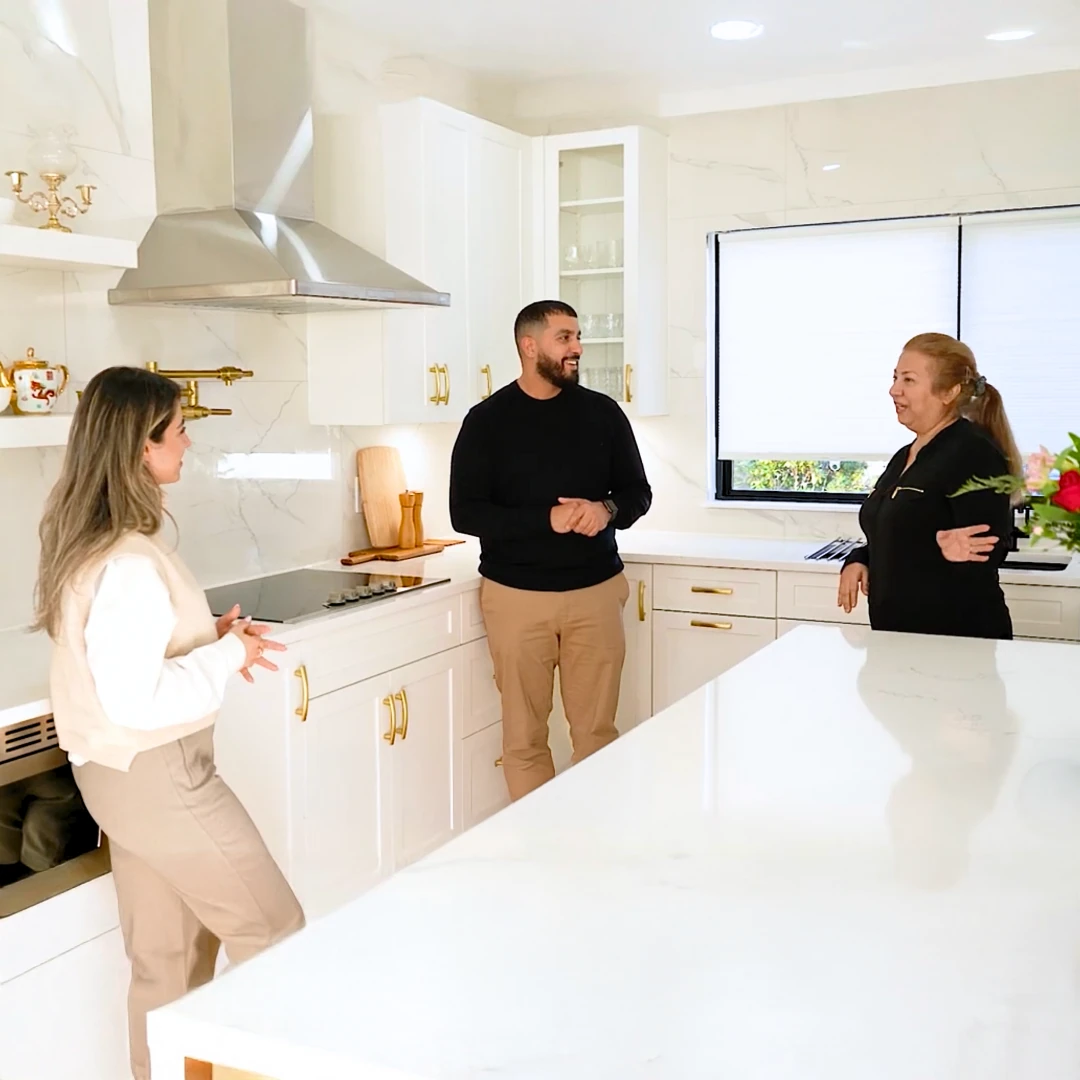
Strathcona's residential streets — Union, Prior, Heatley, Hawks, Campbell, Glen, Keefer east of Main — are lined with homes built between approximately 1888 and 1930
Vancouver General Contractors
Why Strathcona Is Vancouver’s Most Complex Renovation Neighbourhood
No neighbourhood in Vancouver demands more planning sophistication from a renovation team than Strathcona. That statement is not hyperbole — it is a reflection of the intersection of three forces that exist here and nowhere else in the city simultaneously: the age of the housing stock, the reach of heritage planning controls, and the pace of neighbourhood change.
Strathcona’s residential streets — Union, Prior, Heatley, Hawks, Campbell, Glen, Keefer east of Main — are lined with homes built between approximately 1888 and 1930. Many of these homes predate the City of Vancouver’s own incorporation in 1886 only marginally. Some of the earliest homes on Hawks Avenue and Union Street were built for CPR workers and early Vancouver merchants when the city was measured in months, not years. The neighbourhood’s geography — bounded roughly by Prior Street to the south, Clark Drive to the east, East Hastings to the north, and Main Street to the west — places it immediately adjacent to the Downtown Eastside, which has historically suppressed investment and created a situation where many homes were simply maintained rather than updated, preserving their original fabric almost by accident.
The result is that Strathcona has become one of the most significant heritage neighbourhoods in Western Canada. The City of Vancouver designated most of the residential area as the Strathcona Heritage Conservation Area (HCA) in the 1990s, giving it the strongest heritage planning protection of any residential neighbourhood in Metro Vancouver. The HCA overlay means that virtually every exterior change visible from a public street or lane is subject to review and approval by City heritage planning staff before any work can begin.
At the same time, the neighbourhood has undergone significant gentrification over the past 15 years. Owner-occupiers have moved in substantial numbers, attracted by lot values, neighbourhood character, and proximity to Mount Pleasant, Chinatown, and the False Creek industrial areas now transitioning to commercial and residential use. Heritage houses in Strathcona now trade at $1.1 million to $1.9 million depending on lot size, condition, configuration, and the degree of prior renovation. The market has recognized the heritage premium — a thoughtfully restored Edwardian foursquare on a 33-foot lot is worth meaningfully more than a gutted and modernized home on the same street.
This combination — genuine heritage significance, strong planning controls, rapidly appreciating values, and a generation of owner-occupiers who want to live well in these homes — makes Strathcona renovation a specialized discipline. The contractors who do it well understand the Heritage Alteration Permit process, have relationships with heritage window fabricators, know how to work around balloon framing and knob-and-tube wiring, and can design additions that satisfy both the homeowner’s program and heritage planning staff. Those who do not understand this context can cost you months of delays and permit refusals.
Strathcona’s Housing Stock: What You Are Actually Dealing With
Understanding what Strathcona homes are made of, how they were built, and what that means structurally is prerequisite knowledge for any renovation in the neighbourhood. These are not generic older homes. They represent specific construction eras and typologies that have distinct implications for renovation scope, cost, and complexity.
The dominant residential form in Strathcona is the two-and-a-half storey wood-frame house on a narrow lot, typically 25 feet or 33 feet wide and 100 to 120 feet deep. The earliest homes, dating from the 1890s to approximately 1910, tend to be Victorian in character — steeply pitched gable roofs, decorative vergeboards, front porches with turned columns, asymmetrical facades with projecting bays. From approximately 1905 through the 1920s, the Edwardian foursquare becomes the dominant form: a boxy, two-storey plan with a hipped or low-pitched roof, full front porch, and symmetrical facade. Early Craftsman bungalows appear on some streets from around 1910 onward, though the full bungalow form is less common in Strathcona than in Kitsilano or Mount Pleasant because lot prices even in that era encouraged taller, more efficient buildings.
Construction methods reflect the era. Homes built before approximately 1920 use balloon framing — vertical studs running continuously from the foundation sill plate to the roof rafters, with floor joists ledgered into the studs rather than bearing on a double top plate at each floor as in modern platform framing. Balloon framing has significant implications for fire spread (the continuous stud cavities act as flues) and for renovation work that involves penetrating or reconfiguring walls. Homes from the mid-1920s onward begin to show platform framing, though the transition was gradual.
Foundation types vary considerably. The oldest homes typically have unreinforced concrete perimeter foundations or stone rubble foundations, often with crawl spaces rather than full basements. Many homes were later underpinned or had full basements added, sometimes in the 1940s to 1960s. Basement ceiling heights in original basements often fall below the 6-foot threshold that makes habitable space viable without underpinning. Lot sizes in the Strathcona HCA — typically 25×100 or 33×100 feet — constrain what is achievable in terms of basement egress and suite creation.
The Strathcona Heritage Conservation Area covers the majority of the neighbourhood’s residential fabric. The HCA designation means that the neighbourhood’s heritage character — its street pattern, lot sizes, building massing, architectural styles, materials, and details — is protected through a planning overlay that requires City heritage staff approval for exterior changes. This is the most significant residential heritage planning overlay in Metro Vancouver, and understanding its implications is the first step in any Strathcona renovation project.
Strathcona Renovation Costs: What to Budget in 2026
Renovation costs in Strathcona carry a heritage premium that is real and unavoidable. Heritage-appropriate materials — wood windows, compatible siding, authentic trim profiles — cost more than standard contractor-grade alternatives. The Heritage Alteration Permit process adds design fees, consultant time, and timeline. Working with century-old building systems adds discovery and remediation costs that are difficult to predict precisely. The figures below represent current market pricing from experienced contractors working in the neighbourhood, and include a realistic contingency allowance for the hidden condition discoveries that are common in homes of this age.
| Scope of Work | Cost Range (2026) | Notes |
|---|---|---|
| Kitchen renovation | $40,000 – $105,000 | Upper end includes structural changes, heritage millwork restoration, premium appliances |
| Bathroom renovation | $22,000 – $58,000 | Old plumbing rough-in relocation common; cast iron stack work adds cost |
| Heritage exterior restoration | $40,000 – $90,000 | Siding, windows, porch, trim — HAP required; heritage windows add significant cost |
| Full home renovation | $180,000 – $380,000 | Includes systems upgrade, interior, exterior; upper end includes heritage restoration scope |
| Basement suite creation | $65,000 – $100,000 | Assumes adequate ceiling height; underpinning not included |
| Basement underpinning | $40,000 – $90,000 | Highly variable; depends on soil conditions, perimeter length, structural complexity |
| Laneway house (where eligible) | $270,000 – $430,000 | Design, permits, construction; zoning eligibility varies within HCA |
| Heritage window replacement (per window) | $1,200 – $2,400 | Wood or wood-clad aluminum with heritage profile; HAP required |
| Electrical panel and rewire | $18,000 – $45,000 | Knob-and-tube removal; full rewire for 2-storey home |
| Plumbing replacement (full) | $22,000 – $55,000 | Galvanized supply, cast iron drain, lead service line replacement |
Heritage restoration adds a 20 to 40 percent premium to what the same work would cost in a non-heritage context. This premium reflects the cost of heritage-appropriate materials, the additional design work required to satisfy HAP review, the more careful execution required to preserve original fabric, and the longer project timelines. Budget accordingly — and treat the contingency not as optional but as a near-certain cost item in any home built before 1930.
For a full home renovation of a typical 2,000 to 2,400 square foot Strathcona home — systems replacement (electrical, plumbing, insulation), interior renovation (kitchen, bathrooms, living areas), and a complete heritage exterior restoration — budget $250,000 to $380,000. This is the realistic range for a thorough, high-quality renovation that respects the home’s heritage character and positions it well for resale. Work that skips the heritage exterior or cuts corners on systems will cost less but will compromise both the HAP process and long-term value.
The Strathcona Heritage Conservation Area: What the Overlay Actually Means
The Strathcona Heritage Conservation Area is a planning policy tool that gives the City of Vancouver authority to review and approve exterior changes to properties within its boundaries. It is not a designation of individual buildings — it is an area-wide overlay that applies to all properties within the defined boundary, regardless of whether any individual building has been formally heritage-listed or registered.
What this means in practice is that any exterior change that is visible from a public street or lane requires a Heritage Alteration Permit (HAP) before work can begin. This is a separate permit from a building permit, and it precedes the building permit in the approval process. You cannot get a building permit for covered exterior work without a HAP. The City’s heritage planning staff — not building inspectors — review HAP applications against the City’s Heritage Conservation Area Guidelines and the Secretary of State Standards for the Conservation of Historic Places in Canada.
The scope of exterior changes that trigger HAP requirements is broad. It includes:
- Window replacement on any facade visible from a street or lane
- Door replacement on any facade visible from a street or lane
- Siding replacement or significant siding repair that changes the character of the exterior
- Porch alterations or removal
- Addition of any new volume — dormers, rear additions, secondary structures
- Fence replacement where fence height or material changes
- Exterior painting is not strictly subject to HAP, but heritage staff publish colour palette guidelines and will comment during the HAP process on other work
- Chimney removal or significant alteration
- Garage or carriage house alterations on the lane
Interior renovations do not require a Heritage Alteration Permit. You can gut and reconfigure the interior of a Strathcona heritage home — change the floor plan, update the kitchen and bathrooms, replace interior doors and trim — without heritage staff review. The HAP regime is exclusively concerned with the exterior, and specifically with changes that affect the neighbourhood’s visible heritage character as experienced from public streets and lanes.
This distinction is important for renovation planning. Many homeowners focus their concern on the interior and are surprised when heritage staff push back on exterior changes they considered minor. A window replacement that would be unremarkable in Kitsilano is a heritage-sensitive intervention in Strathcona, requiring a permit, heritage staff review, and potentially significant re-specification if the proposed window is not heritage-appropriate.
The Heritage Alteration Permit Process: Step by Step
Understanding how Heritage Alteration Permits work — and how to navigate the process efficiently — is one of the most valuable things a Strathcona homeowner can know before starting a renovation project. The process is not arbitrary. Heritage planning staff are applying a defined set of standards, and applications that align with those standards move through the process predictably. Applications that do not align create back-and-forth correspondence that can stretch the timeline significantly.
The guiding document for HAP review in Strathcona is the Standards and Guidelines for the Conservation of Historic Places in Canada, published by the Government of Canada. This document establishes the principles of preservation, rehabilitation, and reconstruction that heritage planning staff apply when evaluating proposed changes. The core principle is that changes to heritage resources should be compatible with the existing heritage character but distinguishable from original fabric — meaning that new work should not pretend to be original, but neither should it overwhelm or dominate the heritage features it exists alongside.
The HAP application process for a typical residential exterior renovation in Strathcona proceeds as follows:
- Pre-application meeting: Before submitting a formal application, it is strongly advisable to request a pre-application meeting with City heritage planning staff. This meeting allows you to present your concept and receive informal feedback on whether the proposed approach is consistent with heritage guidelines. Pre-application meetings save significant time and avoid wasted design effort. Contact the City’s Development, Buildings and Licensing department to arrange.
- Application submission: A complete HAP application includes: a site plan showing the property and any proposed changes; existing and proposed elevations for all affected facades; material specifications for any new materials proposed; photographs of the existing building; and a written description of the proposed work and how it meets the Secretary of State Standards.
- Heritage staff review: Heritage planning staff review the application against the Strathcona HCA Guidelines and the Secretary of State Standards. Staff may issue a referral to the Vancouver Heritage Commission for significant applications.
- Approval or revision request: Staff issue either an approval, a conditional approval (approval subject to revised specifications), or a request for additional information. Most residential HAP applications receive conditional approval with minor revisions on first review if the application is well-prepared and the proposed materials are heritage-appropriate.
- HAP issuance: Once approved, the HAP is issued as a formal permit document. This permit then supports the building permit application for the same scope of work.
Timeline from submission to HAP issuance is typically 4 to 8 weeks for a complete, well-prepared application. Applications with missing information or proposals for non-approved materials take longer — sometimes significantly longer if the revision cycle is protracted. Factor this into your project schedule. If you are planning a spring or summer exterior renovation, your HAP application should be submitted by February at the latest.
Common reasons for HAP refusal or significant revision requests include: proposal of vinyl windows on street-facing or lane-facing facades; proposal of modern fibre cement siding profiles that do not match original wood siding dimensions; contemporary addition designs that overwhelm the heritage facade rather than being clearly secondary to it; removal of character-defining heritage features such as original porches, decorative vergeboards, or original cladding; and inadequate documentation of existing conditions.
Design professionals with Strathcona heritage experience — including architects registered with the Architectural Institute of BC who have heritage accreditation — can prepare HAP applications that move through the process efficiently. For significant exterior projects, the cost of a heritage design consultant is well justified against the risk of delays and revision cycles.
Window Replacement in Heritage Homes: The Single Biggest Decision
No single exterior renovation decision in a Strathcona heritage home generates more questions, more misunderstanding, and more conflict with heritage planning staff than window replacement. Windows are one of the most character-defining features of a heritage home. Their profiles, their glazing patterns, their proportions, and their relationship to the wall plane are fundamental to what makes these homes look the way they do. They are also, in many cases, original single-pane wood windows that are thermally inefficient and in varying states of repair. The tension between energy performance and heritage sensitivity is real, and understanding the City’s position is essential before making any decisions.
The City of Vancouver’s heritage guidelines for the Strathcona HCA are clear on window replacement: vinyl windows are not acceptable on facades visible from streets or lanes. Standard aluminum windows are not acceptable. Modern window profiles — with wide frames, flush installation, snap-in grilles, or contemporary proportions — are not acceptable, regardless of material. This position reflects the Secretary of State Standards’ direction that replacements for heritage features should match the visual character of the original as closely as possible.
Approved replacement options for heritage homes in the Strathcona HCA include:
- Wood windows with low-e glass: The most heritage-appropriate option. Custom or semi-custom wood windows matching the original profile, with double-pane low-e glazing. Manufacturers include local millwork shops capable of replicating historic profiles exactly. Cost: $1,200 to $2,400 per window installed, depending on size and complexity.
- Wood-clad aluminum windows with heritage profile: An aluminum frame with wood exterior cladding, manufactured to match heritage window proportions and profiles. These offer better moisture resistance than all-wood windows while maintaining an acceptable exterior appearance. They are acceptable to heritage staff when the exterior profile closely matches the original. Cost: $1,400 to $2,400 per window installed.
- Repair and weatherstripping of original wood windows: In many cases, original wood windows are structurally sound but thermally inefficient. Professional window restoration — sash repair, reglaze with low-e glass, new weatherstripping, addition of interior storm inserts — can achieve significant thermal improvement at lower cost than full replacement. Interior storm inserts do not require HAP and can dramatically improve comfort without triggering the heritage review process.
For windows on facades not visible from any public street or lane — typically rear facades in deep lots — heritage staff are typically more flexible, and vinyl or aluminum may be acceptable subject to case-by-case review. However, even rear-facing windows on properties where the lane is behind the lot will be visible from the lane and subject to heritage guidelines.
The cost premium for heritage-appropriate windows is significant — roughly double the cost of standard contractor-grade vinyl windows. However, this premium should be evaluated in the context of the overall renovation budget and the value impact of heritage compliance. Non-compliant window installation on a Strathcona heritage home creates a violation condition that will need to be remediated on resale and reduces the heritage premium the property would otherwise command.
The Old System Reality: What You Will Find Inside
Every Strathcona home built before 1940 is a layered archaeological record of the building systems of its era. Understanding what you are likely to find — and what the implications are for your renovation — is essential for accurate budgeting and realistic project planning. Homes of this age routinely contain building systems that are not just outdated but actively problematic from a safety and insurability standpoint.
Knob-and-tube wiring: Electrical wiring installed in Strathcona homes from approximately 1900 through the mid-1940s used the knob-and-tube method: individual conductors (not cables) run through ceramic knobs nailed to framing and through ceramic tubes where they pass through framing members. Knob-and-tube is not inherently dangerous as installed, but it has no ground conductor, it has no capacity for the electrical loads of a modern household, and decades of insulation being packed around it (knob-and-tube requires airflow for heat dissipation — insulation around it is a fire risk) have rendered much of what exists in Strathcona homes problematic. Insurance companies are increasingly reluctant to provide full coverage for homes with active knob-and-tube wiring, and some refuse to insure them entirely. Full rewiring of a Strathcona home typically costs $18,000 to $45,000 depending on the extent of the wiring, the panel situation, and the accessibility of the framing cavities.
Galvanized steel plumbing: Water supply pipes in homes built before approximately 1950 are typically galvanized steel — steel pipe coated with zinc to resist corrosion. After 50 to 80 years, galvanized pipe corrodes from the inside out, progressively narrowing the interior diameter and eventually failing. Water pressure problems, brown water discolouration, and pinhole leaks are the typical failure modes. Galvanized supply pipes should be replaced as part of any significant Strathcona renovation.
Lead service lines: Many Strathcona homes retain original lead water service pipes connecting the City main in the street to the home’s internal plumbing. Lead pipes are a public health concern — lead leaches into drinking water, particularly after periods of stagnation. The City of Vancouver has a lead service pipe replacement program that funds the replacement of the City-side portion of the lead service at no cost to the homeowner; the homeowner is responsible for replacement of the private-side portion (from the property line to the home’s internal plumbing), which typically costs $3,000 to $7,000. If you are purchasing a Strathcona home, have the service line inspected and tested. If you are renovating, include lead service replacement in your scope.
Cast iron drain stacks: Original drain systems in Strathcona homes use cast iron pipes — heavy, durable, and extremely resistant to corrosion, but eventually subject to fracture and joint failure after many decades. Cast iron drains in good condition can be left in place; those showing cracking, significant joint leakage, or root intrusion should be replaced. A camera inspection of the drain system before finalizing your renovation scope is money well spent.
Balloon framing: As noted earlier, pre-1920 Strathcona homes are typically balloon-framed — a construction method with continuous stud cavities from foundation to roof. Balloon framing has two renovation implications: first, fire blocking must be added at each floor level during renovation to meet current fire code requirements for open stud cavities; second, the structural behaviour of balloon-framed walls is different from platform framing, and any structural modifications require engineering review by a structural engineer familiar with this construction type.
Asbestos-containing materials: Any Strathcona home with components installed before approximately 1990 may contain asbestos. The most common locations in homes of this age are: floor tile and floor tile adhesive (particularly 9″x9″ vinyl composition tile from the 1950s–1970s), vermiculite attic insulation (particularly in homes with 1950s–1970s additions), pipe insulation wrap on heating pipes, attic insulation (some blown-in insulation from the 1970s–1980s contains asbestos), and textured ceiling finishes. WorkSafeBC regulations require testing for asbestos before any demolition that might disturb these materials, and abatement by a licensed contractor if asbestos is found. Budget $2,000 to $8,000 for asbestos testing and abatement depending on the extent of contamination.
Heritage brick chimneys: Original brick chimneys in Strathcona homes should be professionally inspected before any use — including gas fireplace insert installation. Mortar deterioration, brick spalling, and failed flue liners are common after a century of service. A chimney inspection by a WETT-certified inspector is essential before any renovation scope is finalized if the chimney is to remain in service.
Basement Potential in Strathcona Heritage Homes
The basement question is among the most consequential decisions in a Strathcona renovation. Original basements in these homes were designed for utility — coal storage, fruit cellar, mechanical equipment — not for habitable space. Ceiling heights of 5’6″ to 6’6″ are common. Modern secondary suite requirements under the Vancouver Building By-law require minimum 2.0 metres (6’7″) floor-to-ceiling height throughout habitable space. Many original Strathcona basements fall short of this threshold, sometimes by 4 to 6 inches, sometimes by significantly more.
The options when faced with a low-ceiling basement are:
Underpinning: Underpinning is the process of lowering the basement slab and footings to create greater ceiling height. In a typical Strathcona home, underpinning to achieve a 7’6″ to 8′ finished ceiling height (allowing for a floor assembly and ceiling treatment) typically requires lowering the existing slab by 18 to 30 inches. The process involves excavating under the existing footings in alternating sections, pouring new concrete footings at the lower elevation, and then excavating and pouring a new structural slab. It is a complex, invasive, and time-consuming process that also requires a building permit (and structural engineering drawings) and temporarily transfers the structural load of the home to the partially excavated soil. Cost: $40,000 to $90,000 for a typical Strathcona home, depending on soil conditions, perimeter length, and whether the existing foundation requires repair or replacement.
Working with existing height: If the existing basement ceiling is close to the minimum — say 6’4″ to 6’6″ — it may be possible to achieve compliance by lowering the slab 2 to 4 inches (adding drainage protection below the new slab and replacing the slab) rather than full underpinning. This approach is significantly less expensive ($15,000 to $30,000 for a partial slab lowering) and carries less structural risk, but requires careful measurement of existing conditions before assuming viability.
Accepting utility use only: Where ceiling height is not achievable without prohibitive cost, the basement may be finished as storage, laundry, mechanical, and workshop space only — valuable even if not income-generating as a suite. Utility-only basements do not require the same ceiling height minimums and do not require the same egress window requirements as habitable suites.
Fire separation between a basement suite and the principal dwelling above is a significant renovation scope item. The City of Vancouver secondary suite requirements mandate a 30-minute fire separation between the suite and the principal dwelling, a separate direct-to-exterior egress from the suite, and interconnected smoke alarms. These requirements drive a meaningful portion of the structural and finishing work in a basement suite conversion.
On typical Strathcona lots of 25×100 feet, the egress window requirement for basement suites — a minimum opening of 0.35 square metres with no dimension less than 380mm, accessible at grade or with a window well — is frequently a challenge. The original basement windows in these homes are typically small hopper windows high on the foundation wall, and enlarging them may require cutting into the original foundation, which is a structural operation. On 33-foot lots, egress is usually more achievable.
Addition Design for Heritage Homes: Compatible but Distinguishable
Rear additions are common renovation ambitions for Strathcona homeowners. The original homes were built for a different era’s space requirements — kitchens of 80 to 100 square feet, bedrooms of 100 to 120 square feet, living rooms that served multiple functions in the absence of dedicated family rooms or home offices. Contemporary households want more space, and rear additions are often the most viable way to get it on a fixed lot size.
Heritage planning policy for additions to heritage homes within the Strathcona HCA follows the Secretary of State Standards’ principle of “compatible but distinguishable.” An addition to a heritage home should be compatible with the existing heritage character — it should not clash aggressively with the scale, rhythm, or materials of the original — but it should also be clearly distinguishable as a new addition rather than an attempt to replicate original heritage fabric. This principle prevents two equally problematic approaches: the jarring contemporary addition that dominates the heritage facade, and the faux-heritage addition that pretends to be original construction.
In practice, acceptable addition design for Strathcona heritage homes typically features:
- Rear placement, set back from the heritage facade by a distance that makes the original house clearly the primary element when viewed from the street
- Massing that is secondary to the original building — typically lower in height than the original ridge, with a simpler roof form
- A material palette that complements but does not replicate the original siding — modern cement board or metal panel cladding in a complementary colour is typically acceptable; vinyl siding matching the original profile is not
- Contemporary window proportions and placement that read as new work, rather than heritage-profile windows that confuse the reading of original vs. new
- A clear visual transition between the heritage building and the new addition — a recessed connector or glazed link is a common solution that allows both elements to be read independently
Heritage Alteration Permits are required for all additions visible from streets or lanes. Working with a heritage architect — an architect with heritage accreditation from the Canadian Association of Heritage Professionals (CAHP) or equivalent experience — is strongly recommended for addition projects. Heritage architects understand both the design principles that satisfy heritage planning staff and the practical details of connecting new construction to century-old building systems.
The cost premium for a heritage-sensitive addition over a standard addition of the same area is typically 10 to 20 percent, reflecting the additional design work, the HAP process, and the material specifications required. On a 600-square-foot rear addition at $350 to $450 per square foot, that premium translates to $20,000 to $55,000 above what the same space would cost in a non-heritage context. This cost should be weighed against the heritage premium the overall property commands — a well-integrated addition typically supports rather than undermines the heritage value of the property.
Interior Renovation Opportunities: Original Character as an Asset
While heritage planning in Strathcona focuses on exterior changes, the interior of these homes offers renovation opportunities that are genuinely distinctive and, when handled well, represent some of the most significant value-add renovations available in Vancouver real estate.
The defining feature of original Strathcona interior character is old-growth Douglas fir. The floors, the structural elements, the interior millwork, the staircase — all of it was built from old-growth timber that is now essentially impossible to source new. Old-growth fir is harder, more dense, more resistant to dent and wear, and more dimensionally stable than second-growth fir. Floors milled from old-growth Douglas fir that have been maintained will last another century. Restoration of these floors — professional sanding, careful gap filling, appropriate oil or polyurethane finish — is one of the most impactful and cost-effective renovation investments in a Strathcona home. A fully restored old-growth fir floor is a selling point that commands buyer attention at open houses and supports premium pricing.
Original plaster walls and ceilings are another character feature worth preserving where possible. Historic lime plaster is a better acoustic performer and a more substantial substrate than modern drywall. It can be repaired rather than replaced in most cases where cracks or surface deterioration are the issue. Skilled plasterers who can patch and skim-coat original plaster to a seamless finish are increasingly rare, but they exist in Vancouver and are worth finding for a Strathcona renovation. Where plaster is beyond repair — due to moisture damage, significant structural movement, or widespread deterioration — it can be replaced with 5/8″ drywall, though this involves accepting the loss of original character in exchange for a smoother renovation process.
Original millwork — picture rails, crown moulding, baseboard profiles, window and door casings, built-in buffets and hutches, wainscoting — is a category of interior character feature that should be preserved wherever possible and carefully restored rather than removed. Profile-matching millwork for repair and extension is available from Vancouver millwork shops, and the ability to extend or replicate original profiles is important when renovation work requires removing sections of original trim. Built-in buffets and display cabinets in dining rooms, which appear in many Strathcona Edwardian homes, are particularly valued by buyers — removing them for a more open plan layout typically reduces resale value relative to retaining and restoring them.
Original staircases — with their turned newel posts, spindle balusters, and shaped handrails — are another element that rewards careful restoration over replacement. Heritage home buyers in Strathcona are specifically seeking original interior character, and a carefully restored original staircase is a more compelling feature than a new custom staircase built to replicate the original. Structural repair, refinishing, and replacement of damaged or missing individual spindles is the appropriate approach in most cases.
The kitchen and bathrooms in original Strathcona homes are typically small by modern standards and often already partially updated — the 1970s avocado green kitchen or the 1990s white laminate refresh is a common condition. These rooms offer the greatest freedom for contemporary renovation because they have typically lost most of their original heritage fabric already. A contemporary, well-designed kitchen in a Strathcona heritage home is highly marketable. The design challenge is creating a kitchen that feels at home in a 1910 Edwardian structure without being an awkward mash of contemporary minimalism and heritage shell. Material choices — shaker cabinet doors, subway tile, marble or soapstone countertops — tend to bridge the period gap more successfully than ultra-contemporary European handleless cabinetry.
Renovation ROI in Strathcona: The Economics of Heritage
The economic case for a thoughtful, heritage-sensitive renovation in Strathcona is stronger than in almost any other Vancouver neighbourhood. This is not primarily about the cost-to-value ratio of individual renovation line items — though that ratio is favourable — but about the relationship between renovation approach and the fundamental market dynamics of a heritage neighbourhood at an advanced stage of gentrification.
Heritage houses in Strathcona currently trade at $1.1 million to $1.9 million for detached properties, depending on lot size, condition, and renovation status. The differential between a heritage home that has been thoughtfully restored — systems replaced, heritage exterior intact or improved, interior updated with respect for original character — and one that has been modernized without heritage sensitivity is meaningful. Strathcona buyers are, to a greater degree than buyers in any other Vancouver neighbourhood, specifically seeking the heritage experience. The cast iron radiators, the fir floors, the original millwork, the Victorian vergeboards — these are features that command a premium in this neighbourhood specifically because the buyer pool for Strathcona heritage homes self-selects for people who want exactly that.
A gut renovation that removes original character features — strips the fir floors and installs engineered hardwood, removes the built-in buffet for an open kitchen, replaces the original windows with vinyl, clads the exterior in contemporary Hardie — will typically sell for less than a heritage-sensitive renovation in the same price bracket. This is the inverse of the relationship that exists in most Vancouver neighbourhoods, where modern updates reliably add more value than restoration work. In Strathcona, the heritage premium is real and measurable.
Rental income from a legal basement suite adds material support to the renovation economics. A well-finished one-bedroom basement suite in Strathcona currently rents at $1,800 to $2,600 per month, depending on suite quality, included utilities, and parking. At $2,000 per month, a basement suite generates $24,000 in annual gross rental income. At current mortgage rates, that income services the debt on approximately $350,000 to $450,000 of additional renovation cost — though the realistic cost of creating a legal suite in a Strathcona heritage home ($65,000 to $100,000 for the suite itself, plus underpinning if required) means that the suite typically works out to a strong return on incremental investment.
Neighbourhood trajectory is the third factor in the Strathcona renovation ROI calculation. The neighbourhood’s gentrification arc — begun in earnest in the late 2000s and accelerating significantly since 2015 — is not complete. Pockets of the neighbourhood remain at earlier stages of transition. The continued investment by owner-occupiers, the proximity to the False Creek Flats employment district, the expansion of Chinatown as a dining and cultural destination, and the increasing connectivity of the neighbourhood to the broader False Creek waterfront position Strathcona for continued value appreciation. Investing in a thorough renovation today positions you well in a market that has consistently rewarded quality heritage properties in this location.
For more information on renovation costs and planning in Vancouver, see our Vancouver Renovation Guide and our Home Renovation services page. To discuss a Strathcona renovation project, contact us directly.
More Neighbourhood Guides Guides

Renovation in Deep Cove, North Vancouver: Unique Character & Coastal Property Tips

Renovation in Oakridge & Cambie Village, Vancouver: Densifying Corridor Guide 2026

Renovation in Yaletown: Loft Conversions, Condo Renos & Strata Rules in Vancouver

Renovation in Gastown, Vancouver: Heritage Buildings, Commercial Conversions & Rules

Renovation in South Granville, Vancouver: Luxury Homes & High-End Finishing Standards
Ready to start your renovation?
Frequently Asked Questions: Strathcona Heritage Renovation
What is the Heritage Alteration Permit process in Strathcona?
A Heritage Alteration Permit (HAP) is a separate permit from a building permit, required for any exterior change visible from a public street or lane in the Strathcona Heritage Conservation Area. The process begins with an optional but strongly advisable pre-application meeting with City heritage planning staff, followed by a formal application including site plans, elevations, material specifications, and existing photographs. Heritage staff review the application against the Strathcona HCA Guidelines and the Secretary of State Standards for the Conservation of Historic Places in Canada, and issue an approval, conditional approval, or revision request. Approved applications then support the building permit application. Total timeline from submission to HAP issuance: 4 to 8 weeks for a well-prepared application.
What does a Heritage Alteration Permit cost?
The City of Vancouver charges a Heritage Alteration Permit fee based on the value of the proposed work. For residential exterior renovations, HAP fees typically range from $400 to $1,500 depending on the scope of work. The more significant cost associated with the HAP process is professional preparation — engaging a heritage architect or heritage consultant to prepare the application documents, which typically costs $2,000 to $8,000 depending on the complexity of the project. This professional cost is well justified for any project where the HAP is for significant work; the alternative is a poorly prepared application that cycles through multiple revision rounds and delays the project by months.
Does the heritage overlay affect interior renovations?
No. The Strathcona Heritage Conservation Area overlay applies exclusively to exterior changes visible from public streets and lanes. Interior renovations — reconfiguring floor plans, updating kitchens and bathrooms, replacing interior doors and trim, adding interior walls, changing flooring — do not require a Heritage Alteration Permit and are not subject to heritage staff review. They are subject to the standard building permit process applicable to any Vancouver renovation. This means that a homeowner can undertake a comprehensive interior renovation of a Strathcona heritage home without any heritage planning involvement, as long as no exterior changes are made simultaneously.
Can I paint my heritage home any colour?
Exterior painting does not require a Heritage Alteration Permit in Strathcona. However, the City publishes heritage colour palette guidelines for the HCA, and heritage planning staff will comment on proposed colours during the HAP process for other work if colour is part of the application. The heritage colour guidance generally recommends colours consistent with the home’s original era — earth tones, muted greens, ochres, terracottas, and creams for Victorian and Edwardian homes, rather than contemporary neutrals like stark white, charcoal, or black. Strong, dark contemporary palettes are increasingly common in Strathcona but are not specifically endorsed by heritage guidelines. For a home undergoing other exterior work that requires HAP, it is advisable to include the proposed colour palette in the application and receive staff comment early rather than after other work is approved.
Are vinyl windows allowed in Strathcona?
Vinyl windows are not acceptable on facades visible from public streets or lanes in the Strathcona Heritage Conservation Area. Heritage planning guidelines require that window replacements on heritage-sensitive facades match the visual character of original windows — which means wood windows, wood-clad aluminum windows with heritage profiles, or in some cases fibreglass windows with heritage profiles. Vinyl windows have wide frames, contemporary proportions, and snap-in grilles that replicate divided lights poorly, and they are considered incompatible with the heritage character of Strathcona homes. On rear facades not visible from any public street or lane, vinyl windows may be acceptable subject to case-by-case heritage staff review, but this should be confirmed during the pre-application meeting before any specifications are finalized.
How long does the Heritage Alteration Permit take?
The standard HAP timeline from submission of a complete application to permit issuance is 4 to 8 weeks. “Complete” is the operative word — applications missing required documentation, material specifications, or elevation drawings will be returned for revision before the review clock starts, adding 2 to 4 weeks to the process. Applications proposing non-approved materials that require back-and-forth with the applicant before a revised specification can be approved can extend the timeline further. To achieve the shortest possible HAP timeline, submit a complete, well-documented application with heritage-appropriate materials already specified, preceded by a pre-application meeting with heritage staff to confirm the proposed approach is acceptable.
I think my home has a lead water service pipe — is it safe and how do I replace it?
Lead service pipes are a public health concern because lead leaches into drinking water, particularly after periods where water has been stagnant in the pipes overnight. If you suspect your home has a lead service pipe — common in Strathcona homes built before approximately 1950 — you can confirm by having a plumber inspect the service entry point in the basement, where the pipe material is visible. Lead pipe is soft, grey, and slightly flexible (unlike rigid galvanized steel or copper). The City of Vancouver has a Lead Water Service Pipe Replacement Program that replaces the City-owned portion of the pipe (from the City main in the street to the property line) at no cost to the homeowner. You are responsible for the private-side replacement (from the property line to your home’s internal plumbing), which typically costs $3,000 to $7,000. While awaiting replacement, running cold water for 30 seconds to 2 minutes before using water for drinking or cooking flushes standing water from the service pipe and significantly reduces lead exposure.
What is balloon framing and what does it mean for my renovation?
Balloon framing is the dominant structural system in Strathcona homes built before approximately 1920. Unlike modern platform framing — where each storey is built on a platform of the floor below, with studs running only one storey at a time — balloon framing uses continuous vertical studs that run from the foundation sill plate all the way to the roof rafters. Floor joists are ledgered (notched) into the studs rather than bearing on a top plate. This system has two renovation implications: first, the continuous stud cavities create effective flue channels that accelerate fire spread between storeys, which means fire blocking must be installed at each floor level during renovation (a building code requirement); second, the structural behaviour of balloon framing is somewhat different from platform framing, and any renovation work involving removing or reconfiguring structural walls should be reviewed by a structural engineer familiar with this construction type. Balloon framing is not inherently inferior to platform framing — it was the dominant North American wood framing method for half a century — but working with it requires knowledge and care that not all contractors possess.
How do I find a contractor with genuine heritage renovation experience?
Heritage renovation in Strathcona requires a contractor with specific experience, not just general renovation competence. When evaluating contractors, ask for a portfolio of completed heritage renovations specifically in Vancouver heritage conservation areas; ask for references from clients who undertook HAP-required exterior work; ask whether the contractor has worked with heritage planning staff at the City of Vancouver and can explain the HAP process; and ask specifically about their experience with heritage window installation, original wood siding repair and replacement, and balloon framing renovation. Contractors who have worked extensively in heritage neighbourhoods — Strathcona, Shaughnessy, Fairview Slopes, parts of Mount Pleasant — will have the relevant experience. General renovation contractors without heritage project history should be approached with caution for heritage-sensitive exterior work. Heritage architects who specialize in Strathcona HCA projects can typically recommend contractors they have worked with successfully.
Is underpinning feasible for my Strathcona basement?
Underpinning feasibility in a Strathcona home depends on several factors: existing foundation type (unreinforced concrete perimeter foundations can typically be underpinned; stone rubble foundations require more careful assessment); soil conditions (expansive clay soils or poor bearing capacity soils increase risk and cost); lot constraints (egress window placement, utility locations); and structural condition of the existing foundation. A structural engineer should assess the existing foundation before any underpinning decision is made. The cost range of $40,000 to $90,000 for underpinning reflects this variability — straightforward underpinning of a sound concrete perimeter foundation in stable soil at the low end, complex underpinning involving foundation repair, soil conditions, and structural complexity at the high end. The economic case for underpinning is strongest when the resulting basement suite generates significant rental income — at $24,000+ per year in rental income, a $70,000 underpinning investment pays back in under 4 years before accounting for the capital value added by the suite.
What exterior changes are most heritage-sensitive in Strathcona?
The exterior changes that attract the most heritage planning scrutiny in Strathcona are: window replacement (material, profile, and glazing pattern are all evaluated); siding replacement (original wood drop siding replaced with non-matching profiles or non-wood materials is a common source of refusal); porch removal or significant alteration (porches are character-defining features of Edwardian and Victorian homes and their removal is strongly discouraged); addition massing and design (additions that are not clearly secondary to the heritage facade are refused); and chimney removal (masonry chimneys are character-defining features of the street elevation and their removal requires careful justification). Changes to rear facades on interior lots with no lane exposure are evaluated with somewhat more flexibility, but still require HAP where the change is visible from the lane or any public way.
How does Strathcona compare to Mount Pleasant for character home renovation?
Strathcona and Mount Pleasant are the two Vancouver neighbourhoods with the most significant concentrations of pre-1940 residential character, but the renovation context is meaningfully different. Mount Pleasant has significant character home housing stock but is not covered by a Heritage Conservation Area overlay in the same way — character home protection in Mount Pleasant is exercised primarily through the Character Home Rezoning Review process, which applies when homeowners seek to rezone or redevelop, not to routine renovation. Renovating a character home in Mount Pleasant for owner-occupancy does not typically require a Heritage Alteration Permit for exterior changes. Strathcona’s HCA overlay is more comprehensive and applies to all exterior changes on all properties within the HCA boundary, regardless of development intent. The result is that Strathcona exterior renovation is more regulated, more process-intensive, and requires more heritage planning expertise than an equivalent renovation in Mount Pleasant. The trade-off is that Strathcona’s heritage protections are more comprehensive, which means the neighbourhood’s heritage character is better protected and the heritage premium in the market is more durable.
Can I add a laneway house to a Strathcona heritage property?
Laneway housing eligibility in Strathcona depends on the zoning of the specific property. Most Strathcona residential properties are zoned RS-1 or RT, and laneway house eligibility under City of Vancouver zoning requires RS-1 or RS-1B zoning with a lane at the rear of the property, a minimum lot size, and compliance with the Laneway Housing Guidelines. Within the Strathcona HCA, a laneway house is additionally subject to Heritage Alteration Permit review — its design, massing, materials, and relationship to the heritage principal dwelling are all evaluated. The City’s laneway housing guidelines and the HCA guidelines together constrain the design more than in non-heritage neighbourhoods. If your lot is eligible and you are considering a laneway house, engage both a heritage architect and a laneway housing designer — and confirm zoning eligibility before investing in design. Cost: $270,000 to $430,000 for design, permits, and construction of a typical laneway house in Vancouver’s current construction market.
Are there tax incentives for heritage home renovation in Vancouver?
The City of Vancouver offers several heritage incentive programs, though eligibility and benefit levels vary. The Heritage Register listings (both A and B classifications) come with access to the City’s Heritage Revitalization Agreement (HRA) process, which can offer density transfers, relaxations of zoning requirements, and other planning benefits in exchange for legally protecting the heritage building through a registered agreement. For homes within the Strathcona HCA but not individually listed on the Vancouver Heritage Register, the primary benefit is not financial incentive per se but the planning flexibility that HRA agreements can provide — for example, allowing suite configurations or laneway houses that might not otherwise be permitted. At the federal level, there is no specific residential heritage renovation tax credit. Some heritage restoration work may qualify for Canada Revenue Agency’s principal residence exemption treatment (no capital gains on principal residence sales), which means that renovation investments in a heritage home are effectively tax-advantaged relative to a non-exempt investment. Consult a tax professional for advice specific to your situation.
What is the realistic resale premium for a well-restored Strathcona heritage home?
Based on current Strathcona market data, a well-restored heritage home — original exterior fabric intact or sensitively restored, systems updated, interior renovated with respect for original character — commands a premium of approximately 10 to 20 percent over a similar home on the same street that has been modernized without heritage sensitivity. On a $1.4 million baseline, that premium represents $140,000 to $280,000 in additional market value. The premium is most pronounced for homes on the neighbourhood’s most heritage-intact streets — Hawks Avenue, Heatley Avenue, Union Street, Prior Street — where buyers are specifically choosing Strathcona for the heritage streetscape experience. Homes on streets with more mixed character, where non-heritage renovations are more common, show a smaller differential. The heritage premium is also affected by how thoroughly the renovation has addressed the building systems — a beautifully restored exterior on a home with active knob-and-tube wiring and galvanized plumbing will not command a full heritage premium because buyers (and their inspectors and insurers) will correctly price in the deferred systems replacement cost.
Ready to plan your Strathcona renovation? Vancouver General Contractors brings deep heritage renovation experience and a thorough understanding of the Heritage Alteration Permit process to every project in the neighbourhood. Contact us to discuss your project, or read our comprehensive Vancouver Renovation Guide for more planning resources.
Get a Free Renovation Quote
Metro Vancouver’s trusted general contractors. Free consultations across Vancouver, Burnaby, Richmond, North Shore & beyond.
Get Your Free Quote →
Comments are closed