




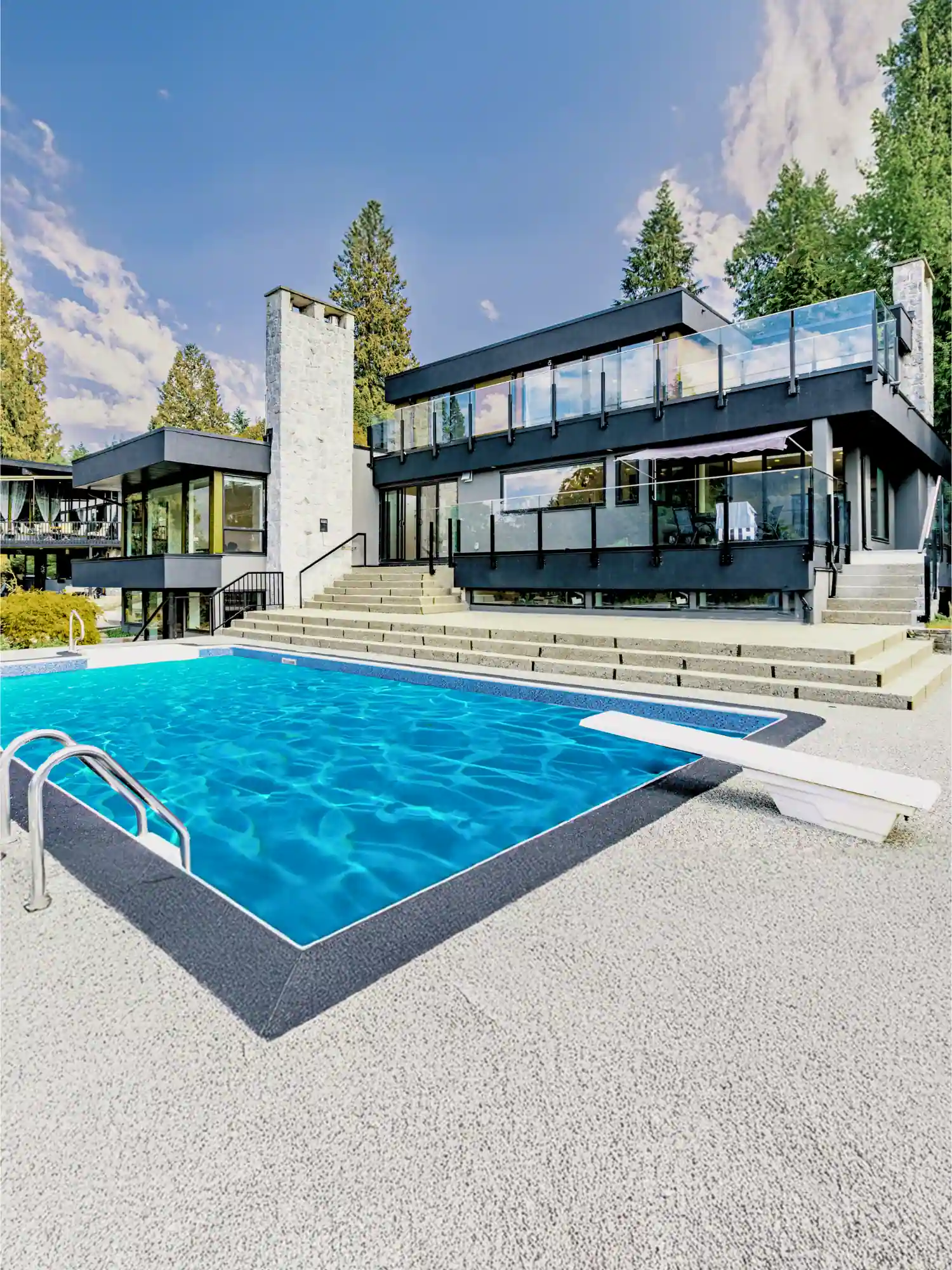
How Much Does a Home Renovation Cost in Vancouver? The 2026 Complete Cost Guide
If you’ve started researching a home renovation in Vancouver, you’ve already discovered that pricing information online ranges from useless to actively misleading. Articles written for Toronto or Calgary quote figures that bear no resemblance to what Metro Vancouver contractors actually charge. This guide is different. Every number in it comes from real projects completed by Vancouver General Contractors across the Lower Mainland — from East Van character homes to Kitsilano condos to North Van split-levels.
The short answer: a meaningful home renovation in Vancouver starts at $25,000 for a cosmetic kitchen refresh and can exceed $700,000 for a full gut-and-rebuild. But those endpoints hide everything important. The cost that matters is yours — based on your home’s age, your neighbourhood’s lot constraints, your municipality’s permit requirements, and the scope of work you actually need. This guide walks you through every major project type, explains what drives costs up, and gives you a clear framework for evaluating any quote you receive.
Before you call a contractor, we recommend reading our Vancouver Renovation Guide — it covers the full process from permits to project closeout. When you’re ready to talk numbers specific to your project, contact our team for a free consultation.
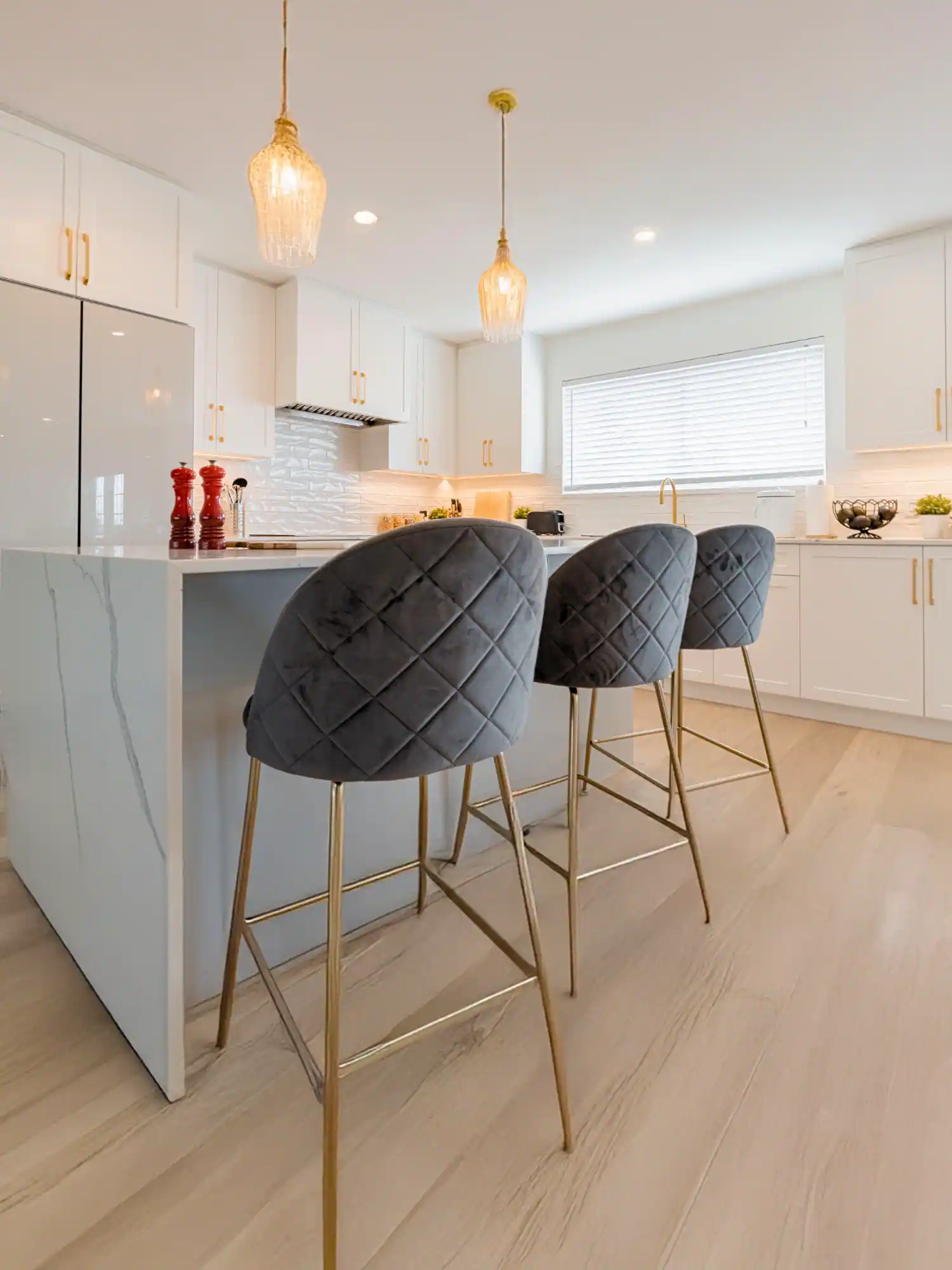
Cosmetic work changes the appearance of a space without touching structure, plumbing, or electrical systems
Vancouver General Contractors
What Counts as a Home Renovation in Vancouver?
The word “renovation” covers an enormous range of work, and the distinction matters because it determines whether you need a permit, how long the project takes, and what risks you’re carrying. In Vancouver and the surrounding municipalities, renovation work generally falls into three categories.
Cosmetic Renovations
Cosmetic work changes the appearance of a space without touching structure, plumbing, or electrical systems. This includes painting, flooring replacement, cabinet refacing, fixture swaps (like-for-like), and tile work. Most cosmetic renovations in Vancouver do not require a permit, though replacing a gas appliance or upgrading an electrical outlet still triggers inspections. Cosmetic projects typically run $8,000–$30,000 depending on scope and finishes.
Structural and Systems Renovations
Once you move or remove walls, change the plumbing layout, upgrade the electrical panel, or touch the building envelope (windows, roof, foundation), you’re in permit territory. The City of Vancouver and most Metro Vancouver municipalities require a building permit for any structural work, and the permit fee is typically 1–1.5% of declared project value for residential projects. In our experience, homeowners frequently underestimate how quickly cosmetic intentions become structural realities — for example, opening a kitchen to the living room almost always involves a load-bearing wall and triggers a structural engineering requirement.
Full Gut Renovations and Additions
A full gut takes a space down to the studs. Additions — including rear extensions, second-storey additions, and laneway houses — require full building permits, often mechanical and plumbing permits as well, and in many cases a geotechnical report and seismic assessment. Vancouver’s seismic zone designation means that structural additions frequently trigger shear wall upgrade requirements on the existing building, a cost that catches many homeowners off guard. Pre-1990 homes throughout East Van, Burnaby, and Coquitlam commonly require asbestos and lead testing before any gut work begins.
2026 Home Renovation Cost Overview: The Numbers
The table below shows our current pricing ranges for completed projects in Metro Vancouver. These figures reflect 2026 material and labour costs and include contractor overhead and margin at market rates. They do not include permit fees, design fees, or structural engineering unless noted.
| Project Type | Entry-Level | Mid-Range | Premium |
|---|---|---|---|
| Kitchen Renovation | $25,000–$45,000 | $50,000–$80,000 | $85,000–$120,000+ |
| Bathroom Renovation | $15,000–$25,000 | $28,000–$45,000 | $48,000–$65,000 |
| Basement Renovation | $40,000–$60,000 | $65,000–$95,000 | $90,000–$110,000 |
| Main Floor Renovation | $30,000–$45,000 | $45,000–$65,000 | $65,000–$80,000 |
| Home Addition | $150,000–$200,000 | $200,000–$300,000 | $300,000–$400,000+ |
| Whole-Home Renovation | $200,000–$350,000 | $350,000–$550,000 | $550,000–$700,000+ |
Why Vancouver Costs 15–25% More Than the National Average
If you’ve received quotes from contractors in other Canadian cities or seen renovation cost guides written for a national audience, add 15–25% before comparing to Vancouver numbers. The premium has multiple compounding causes. Labour in Metro Vancouver commands the highest trade wages in Western Canada — Red Seal journeymen across all trades earn more here than anywhere except downtown Toronto. Material costs run 20–30% above rural Canada due to transportation, warehouse costs in a high-rent city, and supplier consolidation. City of Vancouver permit fees are among the highest in BC, typically 1–1.5% of declared project value with additional fees for plumbing, mechanical, and electrical sub-permits. And Vancouver’s seismic hazard designation — among the highest of any major Canadian city — means structural work must meet requirements that simply don’t apply elsewhere.
Kitchen Renovation Costs in Vancouver
The kitchen is the single most requested renovation project we handle, and the one with the widest cost variance. A $30,000 kitchen and a $110,000 kitchen can occupy the same square footage; the difference is entirely in scope and specification. Here’s how we think about the three tiers.
For detailed information on what’s included at each stage of a kitchen project, see our Vancouver Kitchen Renovation page.
Tier 1: Kitchen Refresh ($25,000–$45,000)
A Tier 1 kitchen keeps the existing cabinet boxes and plumbing layout in place. The work typically includes new cabinet doors and hardware, quartz or laminate countertops, a tile backsplash, new sink and faucet (same location), updated lighting, and fresh paint. If the appliances are being replaced with standard freestanding units (not built-in or panel-ready), that’s usually another $5,000–$10,000 on top.
From our experience: a Tier 1 kitchen in a 1970s East Van house — one with solid plywood box cabinets that just need a visual refresh — consistently lands in the $28,000–$38,000 range including materials, labour, and a basic appliance package. Permit is typically not required unless we’re adding a new circuit for a microwave or dishwasher, which we usually recommend proactively.
Tier 2: Mid-Range Kitchen ($50,000–$80,000)
Tier 2 means new custom or semi-custom cabinetry from floor to ceiling, engineered quartz countertops (Caesarstone, Silestone, or equivalent), a full appliance suite including counter-depth refrigerator, built-in dishwasher, and a slide-in range, plus updated plumbing and an electrical panel upgrade or dedicated circuit additions. If the layout is changing — moving the sink, adding an island, relocating the refrigerator — expect to add $8,000–$15,000 for plumbing rough-in and drywall work.
Most VGC kitchen renovations at this tier fall between $55,000–$72,000 for a standard 150–200 sq ft kitchen in a Kitsilano or North Van home. Permit is required when we’re touching electrical (panel upgrade or adding circuits) or gas (range relocation). A building permit for a mid-range kitchen renovation in the City of Vancouver typically runs $1,200–$2,500 depending on declared value.
Tier 3: Premium Kitchen ($85,000–$120,000+)
A Tier 3 kitchen involves a full gut to the studs: new plumbing, new electrical, structural wall removal (often to open to the dining room), custom cabinetry with integrated panels, waterfall stone countertops, high-end appliances (Wolf, Sub-Zero, Miele), and premium tile work. Structural wall removal alone adds $15,000–$30,000 when you factor in the structural engineer’s drawings, beam fabrication, temporary shoring, and permit fees. Full project timelines at this tier typically run 10–16 weeks.
Permit triggers for kitchen renovations: gas line relocation or new gas connection, electrical panel upgrade (100A to 200A), structural wall removal, change in plumbing drain location. Any of these require a building permit plus the relevant sub-permits.
Bathroom Renovation Costs in Vancouver
Bathrooms are dense with trades: plumbing, tile, electrical (GFCI, ventilation fan, heated floor), and finish carpentry all intersect in a small footprint. That trade density is what makes bathroom renovations expensive per square foot — often $500–$900/sq ft at the mid to premium tier. Here’s what each tier delivers.
For project-specific information, visit our Vancouver Bathroom Renovation page.
Tier 1: Bathroom Refresh ($15,000–$25,000)
A Tier 1 bathroom keeps the plumbing in place — toilet, vanity, and tub/shower all stay where they are. New work includes: porcelain or ceramic tile (floor and shower surround), new vanity and countertop, toilet replacement, faucets, towel bars and accessories, light fixture, exhaust fan upgrade, and paint. This tier suits bathrooms in Burnaby or Surrey homes built in the 1980s–1990s where the bones are good but the finishes are dated. Typical timeline: 2–3 weeks.
Tier 2: Full Bathroom Renovation ($28,000–$45,000)
Tier 2 is a full gut: everything comes out, walls go to studs (with waterproofing membrane behind the tile), new plumbing rough-in if the layout is changing, heated floor (electric mat, typically $2,500–$4,500 installed), custom tile shower with frameless glass, soaker tub, floating vanity, and a quality exhaust fan with timer. The heated floor alone is one of the most requested upgrades we get — in a Vancouver winter, it’s worth every penny and adds measurable resale value.
Most VGC mid-range bathroom renovations in a 50–70 sq ft main bath land at $32,000–$42,000 including all labour, materials, and permit. Adding a soaker tub when there wasn’t one before requires a plumber to rough in a dedicated drain, typically $1,500–$3,500 additional.
Tier 3: Premium Ensuite Renovation ($48,000–$65,000)
At the premium tier, you’re typically expanding a cramped ensuite (common in 1960s–1980s Vancouver homes), installing a steam shower with a digital controller, in-floor hydronic heat, a heated towel bar, custom-built vanity, large-format porcelain tile (24×48 slabs), and a freestanding tub. If the expansion requires borrowing square footage from an adjacent closet or bedroom, add structural work and a building permit. Plumbing rough-in costs for a new ensuite where there wasn’t previously plumbing run $8,000–$20,000 before finishing begins.
Basement Renovation Costs in Vancouver
No renovation project in Metro Vancouver has a better return on investment than a basement secondary suite — full stop. With rental vacancy rates below 1% in Vancouver and average rents for a one-bedroom suite reaching $2,000–$2,800/month in most neighbourhoods, the financial case is overwhelming. Here’s what the investment looks like at each tier.
See our dedicated Vancouver Basement Renovation page for more detail on the suite legalization process and what to expect.
Basic Basement Development ($40,000–$60,000)
Basic development turns an unfinished or partially finished basement into livable space for personal use — a rec room, home office, gym, or additional bedroom. Work includes: framing, batt insulation, vapour barrier, drywall, basic pot lighting, a bathroom rough-in or full bath, carpet or LVP flooring, and paint. This tier does not include a suite kitchen or separate entrance, so it cannot be legally rented in most Vancouver municipalities. Typical timeline: 6–10 weeks.
Secondary Suite Conversion ($65,000–$95,000)
A legal secondary suite requires meeting the BC Building Code secondary suite requirements, which are more stringent than simply finishing a basement. Specific requirements include: suite-spec egress windows (minimum 0.35 m² opening in sleeping rooms — expensive to cut in concrete foundations), a separate exterior entrance or vestibule, a full kitchen with ventilation, a 3-piece bathroom, suite-separation fire and sound assemblies (Type X drywall + resilient channel on ceilings), and a separate electrical sub-panel.
From our experience: a secondary suite conversion in a typical Coquitlam or East Van bungalow with an 800 sq ft basement runs $72,000–$88,000 all-in, including permits. Cutting egress windows alone costs $3,500–$6,000 per window in a poured concrete or concrete block foundation. The CMHC Secondary Suite Loan Program offers up to $80,000 at 2% interest for eligible homeowners — a significant subsidy worth applying for before you start.
Premium Suite Development ($90,000–$110,000)
At the premium tier, you’re building a suite that commands top-of-market rent: quartz countertops, in-suite laundry, heated bathroom floor, engineered hardwood or premium LVP throughout, pot lights on dimmers, stainless appliances, and acoustic sound isolation assemblies that genuinely reduce noise transmission. Homes in Kitsilano and West Van where suites rent for $2,500–$3,200/month often justify this investment. Return on investment at the premium tier, factoring in rental income and appraised value increase, consistently comes out above 200% within five years.
Home Addition Costs in Vancouver
Adding square footage in Vancouver is expensive by any measure, but it remains cheaper than buying a larger home in the current market — and it lets you stay in the neighbourhood you’ve chosen. The three most common addition types we build are rear additions, second-storey additions, and laneway houses.
Rear Addition ($150,000–$250,000)
A rear addition expands the ground floor into the backyard, typically adding 200–500 sq ft. The work includes foundation (often a new concrete perimeter), framing, roof tie-in, exterior cladding to match the existing house, new windows and door, and complete interior finishing. On a standard Vancouver 33-foot lot, site access for concrete trucks and dumpsters is constrained; plan for 10–15% added labour cost from hand-carry and restricted access. Permit fees at 1–1.5% of project value are significant at this budget level — a $200,000 addition carries $2,000–$3,000 in permit fees plus engineering ($5,000–$12,000).
Second-Storey Addition ($200,000–$350,000)
Adding a full second storey to a bungalow is one of the most transformative projects we build, but it requires the most careful planning. The existing foundation must be assessed and often upgraded. Vancouver’s seismic requirements almost always trigger shear wall upgrades to the ground floor when a second storey is added — budget $15,000–$40,000 for this work as a near-certainty, not a contingency. The family must vacate the home during most of the project (3–6 months), adding temporary accommodation costs. Most VGC second-storey additions in North Van and Burnaby fall in the $240,000–$310,000 range for a 600–900 sq ft addition.
Laneway House ($180,000–$350,000)
Laneway houses — a separate dwelling unit built at the rear of the lot fronting the lane — are now permitted on most RS-zoned lots in the City of Vancouver and are expanding to other municipalities. Construction costs depend heavily on size and finish level; a basic 500 sq ft laneway runs $180,000–$220,000 while a 750 sq ft premium unit with rooftop deck and high-end finishes reaches $280,000–$350,000. The rental income from a laneway house ($2,200–$3,500/month) typically covers the mortgage on the construction financing within 7–10 years.
What Drives Up Renovation Costs in Vancouver?
Understanding the cost drivers helps you evaluate quotes, prioritize scope, and make informed trade-offs. Here are the factors that consistently push Vancouver renovation budgets higher than homeowners initially expect.
Labour Rates
In 2026, Vancouver trade labour rates are as follows: Red Seal carpenters $80–$120/hr, electricians (journeyman) $120–$160/hr, plumbers (journeyman) $130–$170/hr, tile setters $75–$110/hr, painters $65–$90/hr. These are billing rates from licensed contractors — the all-in cost including overhead, insurance, and profit margin. Underground or uninsured labour may quote less, but the exposure — injury liability, WorkSafeBC coverage gaps, potential permit refusal — is not worth the discount. A typical renovation crew of 3–4 trades runs $450–$650/hour combined, which is why labour accounts for 40–55% of most project budgets.
Materials Premium
Lumber, drywall, tile, fixtures, and appliances all cost 20–30% more at Lower Mainland suppliers than rural BC, and 15–25% more than national averages. The causes: high warehouse and retail rents, transportation costs to a port city with high trucking rates, and a supplier base that has consolidated over two decades of construction boom. We source materials directly where possible, but for custom cabinetry, stone countertops, and specialty tile, local supplier pricing is unavoidable.
Permit Fees
The City of Vancouver charges permit fees on a sliding scale based on declared construction value. For residential projects, the base rate is approximately 1–1.5% of declared value, with additional fees for plumbing, mechanical, and electrical sub-permits. A $100,000 renovation typically carries $1,500–$2,500 in permit fees alone. Municipalities like Burnaby, Surrey, and Coquitlam have their own fee schedules, generally slightly lower than the City of Vancouver but still significant. Attempting to avoid permits — building without one — creates serious problems at sale: buyers’ lawyers now routinely request permit history, and unpermitted work can require demolition or retroactive permitting at 200% of the standard fee.
Seismic Upgrades
Vancouver sits on one of the highest seismic hazard zones in Canada. When you add above-grade square footage to an existing building, the BC Building Code typically requires that the existing lateral force-resisting system (shear walls) be upgraded to current standards. This is not a discretionary cost — the structural engineer’s drawings will specify it, and the building inspector will enforce it. Budget $15,000–$40,000 for seismic shear wall work as a near-certainty on any second-storey addition, and a possibility on substantial rear additions.
Hazardous Materials
Any Vancouver home built before 1990 is a candidate for asbestos-containing materials (floor tile, ceiling texture, pipe insulation, duct wrap) and lead-based paint. WorkSafeBC regulations require testing and professional abatement before demolition. Asbestos testing runs $400–$800; abatement for a typical scope of work runs $3,000–$12,000 depending on the area and material type. Lead paint testing and encapsulation adds $1,500–$8,000. We always recommend testing before finalizing your renovation budget — discovering asbestos after demolition begins is dramatically more expensive to remediate.
Site Access Constraints
Vancouver’s standard lot widths (33 feet RS-1 lots) mean that many renovation sites have no side yard access. When a dumpster, concrete truck, or lumber delivery cannot reach the work area, everything must be hand-carried — adding 10–15% to labour cost. Homes in Kitsilano, Mount Pleasant, and Strathcona with lane access are more efficient; properties on corner lots or with attached garages are often the most constrained.
How to Get an Accurate Quote: What Good Contractors Include
A renovation quote is only as useful as its specificity. Here’s what a professional contractor’s quote should contain — and what to do when it doesn’t.
Scope of Work Checklist
- Written description of every task, with dimensions and quantities
- Named products for all major materials (brand, product line, and finish level)
- Named allowances where selections haven’t been made (e.g., “tile allowance: $8/sq ft supply; 120 sq ft”)
- What is explicitly excluded (owner-supplied fixtures, painting, landscaping)
- Permit responsibility (who pulls it, who pays)
- Site cleanup and waste disposal
- Warranty terms on workmanship
Fixed-Price vs. Time and Materials
A fixed-price (lump sum) contract protects you from labour overruns but is only reliable if the scope is fully defined. Time and Materials (T&M) contracts are appropriate for exploratory work — opening walls in an older home when you don’t know what’s inside — but should transition to a fixed price once the scope is known. Never allow an entire major renovation to run on open-ended T&M. From our experience, T&M contracts consistently run 15–30% over initial estimates when scope is uncertain.
Contingency Budget
For new construction on a cleared lot, a 5–10% contingency is reasonable. For renovations of existing homes — especially pre-1980 Vancouver stock — we recommend 15% as a minimum contingency. Homes of that era regularly produce surprises: knob-and-tube wiring, galvanized steel pipes, uneven subfloors, inadequate insulation, and more. A contingency is not pessimism; it’s financial planning. If you don’t spend it, it’s yours to keep.
Milestone Payment Schedule
A reputable contractor will invoice at project milestones, not in large upfront draws. A typical structure: 10% deposit at contract signing, 25% at demolition/rough-in completion, 25% at drywall/mechanical rough-in, 25% at substantial completion, 15% holdback at final deficiency sign-off. Be cautious of any contractor requesting more than 15–20% upfront, or asking for cash payments — both are red flags under BC’s Builder Lien Act and Homeowner Protection Act.
Hidden Costs That Blow Vancouver Renovation Budgets
These are the items that routinely push renovation projects 20–40% over initial budget. Knowing them in advance lets you either price them in or make a deliberate decision to carry them as contingency risk.
- Permit revisions if drawings are rejected: When a structural engineer’s drawings require revision after city review, additional engineering and resubmission fees run $2,000–$8,000 and add 4–8 weeks to project start.
- Asbestos discovery during demolition: If testing wasn’t done pre-demo and asbestos is discovered once walls are open, abatement in a contaminated area under emergency conditions costs $8,000–$25,000 and shuts the project down for 2–4 weeks.
- Knob-and-tube wiring: Common in East Van, Strathcona, and other pre-1945 neighbourhoods. Insurance companies increasingly refuse to insure or renew policies on homes with active knob-and-tube. Full replacement runs $8,000–$25,000 depending on house size.
- Galvanized pipe replacement: Galvanized steel supply pipes corrode from the inside over 50–70 years, reducing flow to a trickle and contaminating water. Replacement with copper or PEX runs $6,000–$18,000 for a typical house.
- Structural shear wall requirement: As described above, triggered by additions and certain structural wall removals. Budget $15,000–$45,000 as a potential cost on any structural project.
- Foundation waterproofing discovery: Opening basement walls sometimes reveals failed waterproofing or minor foundation cracks requiring injection grouting or exterior excavation. Repair costs range from $3,000 (interior injection) to $30,000+ (exterior excavation and membrane).
- Temporary accommodation: A full gut renovation or second-storey addition requires vacating the home. Metro Vancouver rental rates for furnished 2-bedroom suites run $3,500–$5,500/month; a 4-month displacement is a $14,000–$22,000 cost that many budgets don’t include.
- Design changes mid-project: Every scope change after construction begins costs more than if it had been planned from the start. A countertop upgrade decided after cabinetry is installed can trigger $3,000–$8,000 in additional labour and rescheduling costs. Lock your selections before demo day.
- Appliance delivery lead times: High-end appliances (Sub-Zero, Wolf, Miele) can carry 12–20 week lead times. A kitchen nearing completion with no appliances is a delay risk that cascades into holdover contractor costs of $1,500–$3,000/week.
- Suite legalization after-the-fact: Homeowners who built suites without permits and now want to legalize them face double permit fees, full inspection of all concealed work (meaning opening walls), and potential demolition orders if the work doesn’t meet code. Retroactive legalization of an unpermitted suite typically costs $15,000–$45,000 more than building it to code from the start.
Renovation ROI in Vancouver: What Adds the Most Value
Not all renovations are created equal from an investment standpoint. In Metro Vancouver’s market — where detached homes in most neighbourhoods still appraise above $1.5M — the ROI on renovation depends heavily on project type, quality level, and neighbourhood. Here’s the data from completed projects and local real estate comparables.
| Project | Typical Cost | Resale Value Add | ROI |
|---|---|---|---|
| Kitchen (mid-range) | $65,000 | $60,000–$85,000 | 92–130% |
| Bathroom (mid-range) | $35,000 | $28,000–$45,000 | 80–128% |
| Secondary suite | $80,000 | $150,000–$200,000 (rent + value) | 188–250% |
| Basement development (no suite) | $55,000 | $45,000–$75,000 | 82–136% |
| Main floor open concept | $35,000 | $30,000–$55,000 | 86–157% |
| Laneway house | $250,000 | $250,000–$400,000 (rent + value) | 100–160% |
The secondary suite numbers deserve emphasis. In a city where a legal suite commands $2,200–$2,800/month in rent and adds $150,000–$200,000 to assessed value, an $80,000 investment returns its cost in rental income within 3–4 years — before any appreciation. This is why secondary suite conversions represent the highest-demand project category we handle, particularly in East Van, Burnaby, and Coquitlam.
How to Reduce Renovation Costs Without Compromising Quality
Cost reduction and quality are not opposites — but they require smart decision-making, not simply choosing cheaper materials. Here are the strategies that actually work in the Vancouver market.
- Phase the renovation: Doing a kitchen one year and bathrooms the next costs more in total contractor mobilization fees but allows you to spread cash flow, refine your selections, and avoid financing all at once. Phasing works best when projects are genuinely independent (separate rooms, separate systems).
- Keep plumbing walls: Moving a toilet, sink, or shower drain is expensive — typically $3,000–$8,000 per fixture relocated. Keeping plumbing in place can save $10,000–$20,000 on a bathroom renovation while delivering 80% of the visual result. Good designers work with existing drain locations.
- Buy materials direct: For tile, lighting, and hardware, purchasing directly from wholesalers or during contractor pricing periods at local suppliers can save 15–25% off retail. Discuss owner-supply options with your contractor and clarify responsibility for defects and returns.
- Schedule for fall and winter: Renovation demand in Metro Vancouver peaks in spring and early summer. Contractors booked from October through February often offer 10–20% discounts to fill their schedules. The work is identical; the timing just costs less.
- Apply for CleanBC and CMHC rebates: The CleanBC Better Homes program offers rebates for insulation, heat pumps, and high-efficiency windows — up to $6,000–$11,000 in combined incentives on qualifying projects. The CMHC Secondary Suite Loan offers up to $80,000 at 2% for eligible suite conversions. These programs are underutilized and genuinely meaningful at renovation budget scales.
- Separate cosmetic from structural: If your goal is a new-looking kitchen but the layout works, resist the contractor who proposes opening walls “while we’re at it.” Structural changes are expensive and often unnecessary. Price structural and cosmetic scopes separately and make an informed choice.
FAQ: Home Renovation Costs in Vancouver
How much does it cost to renovate a 1,500 sq ft home in Vancouver?
A full renovation of a 1,500 sq ft detached home in Vancouver — covering kitchen, two bathrooms, main floor, and basement finishing — typically runs $250,000–$450,000 depending on finish level and the condition of existing systems. A cosmetic refresh of the same home (paint, flooring, fixtures only) could be done for $60,000–$100,000. A full gut-and-rebuild with structural changes and premium finishes can reach $600,000–$700,000.
Is it cheaper to renovate or buy a new home in Vancouver?
In most Vancouver neighbourhoods, renovating is significantly cheaper per square foot than buying. Upgrading a $1.4M East Van house with a $200,000 renovation yields a $1.6M home — versus paying $1.8M–$2.0M to buy a comparable renovated property. The savings on land transfer tax, realtor commissions, moving costs, and mortgage break penalties further tip the scale toward renovating. The exception is when the existing home has fundamental deficiencies (foundation failure, very small footprint) where renovation costs approach or exceed replacement value.
How much does labour cost per hour for renovations in Vancouver?
In 2026: general contractors charge $75–$110/hr for carpentry and general labour; electricians $120–$160/hr; plumbers $130–$170/hr; tile setters $75–$110/hr; painters $65–$90/hr. These are all-in billing rates from licensed contractors including overhead, insurance, and WorkSafeBC premiums. “Cash” or unlicensed rates are typically 30–40% lower but carry significant liability risk for the homeowner.
Do I need a permit for a kitchen renovation in Vancouver?
You need a permit if your kitchen renovation involves any of: electrical panel upgrade, new circuits (dishwasher, microwave, range hood), gas line work, structural wall removal, or changes to plumbing drain locations. A cosmetic renovation that keeps plumbing and electrical in place (new cabinets, countertops, backsplash, like-for-like fixture replacement) typically does not require a permit in the City of Vancouver, but always confirm with your municipality’s building department before starting.
How long does a full home renovation take in Vancouver?
Permit approval alone takes 6–14 weeks in the City of Vancouver for residential projects (Burnaby and Surrey tend to be faster at 4–8 weeks). Construction timelines: kitchen renovation 6–12 weeks, bathroom renovation 3–6 weeks, basement suite 10–16 weeks, second-storey addition 5–8 months. Total project duration from first consultation to occupancy for a whole-home renovation is typically 12–18 months, with permit wait time accounting for 30–40% of that schedule.
What is the average cost of a Vancouver renovation per square foot?
Per-square-foot costs vary dramatically by project type: basement development runs $100–$150/sq ft (basic) to $150–$200/sq ft (suite); main floor renovations run $150–$250/sq ft; kitchen renovations run $300–$700/sq ft (dense trade work in small area); bathroom renovations run $400–$900/sq ft; additions and new construction run $350–$550/sq ft. These figures are for finished work including all trades, materials, overhead, and margin — not raw construction cost.
How much should I budget for a bathroom renovation in Vancouver?
Budget a minimum of $18,000 for a basic cosmetic renovation of an existing bathroom, $32,000–$42,000 for a full gut mid-range renovation, and $50,000–$65,000 for a premium ensuite with expansion. Add $8,000–$20,000 if you’re adding a new bathroom where there was no existing plumbing. These figures include labour, materials, fixtures, tile, permit, and applicable taxes.
Can I get financing for home renovations in Vancouver?
Yes. Options include: HELOC (home equity line of credit) at prime + 0.5–1%, which is the most flexible option for homeowners with equity; CMHC Secondary Suite Loan (up to $80,000 at 2%, suite-specific); CleanBC financing for eligible energy upgrades; unsecured renovation loans from major banks at higher rates (8–12%); and some contractors offer deferred payment arrangements. For large projects, a HELOC against Vancouver real estate equity is typically the lowest-cost financing available.
What renovation adds the most value in Vancouver?
A legal secondary suite conversion consistently delivers the highest ROI in Metro Vancouver — typically 188–250% when combining rental income with appraised value increase. Among cosmetic and structural renovations, a mid-range kitchen renovation (92–130% ROI) and open-concept main floor (86–157% ROI) deliver the strongest returns at resale. Laneway houses deliver exceptional long-term returns but require the longest payback period at 7–10 years.
How do I avoid renovation cost overruns?
Five disciplines consistently prevent overruns: (1) Complete design and material selections before construction begins — changes mid-project cost 3–5x more than planning them upfront. (2) Carry a 15% contingency for any pre-1990 home. (3) Require a fixed-price contract with clearly defined allowances. (4) Test for asbestos and lead before demolition. (5) Get a structural engineer’s opinion on any wall you’re thinking of removing before the project is scoped — discovering a wall is load-bearing on demo day is one of the most common surprise costs we see.
What is a fair contractor markup in Vancouver?
Licensed general contractors in Vancouver typically carry overhead costs of 15–25% (insurance, licensing, office, warranty reserves, project management) and profit margins of 10–20%, for a total markup on trade labour and materials of 25–45%. This is not padding — it’s the cost of operating a legitimate business with proper insurance, licensed workers, and warranty accountability. Quotes that appear significantly below this range are either excluding scope or using unlicensed labour, both of which create risk for the homeowner.
Should I get 3 quotes for a renovation?
Yes — with the caveat that three quotes are only comparable if they’re scoped identically. Send all three contractors the same written scope of work and compare line by line, not total only. A $20,000 difference between quotes often reflects scope exclusions rather than pricing efficiency. Ask each contractor to itemize labour and materials separately. If one quote is dramatically lower, ask specifically what they’ve excluded before assuming it’s a better price.
How much does a renovation permit cost in Vancouver?
The City of Vancouver’s residential building permit fee is calculated at approximately 1–1.5% of declared construction value for most residential projects. A $100,000 renovation carries approximately $1,200–$1,800 in building permit fees. Additional sub-permits (plumbing, electrical, mechanical) add $300–$800 each. Total permit cost for a comprehensive renovation typically runs 1.5–2.5% of project value when all sub-permits are included. Other municipalities (Burnaby, Surrey, Coquitlam, North Vancouver) have their own schedules, generally within the same range.
What renovations require permits in Vancouver?
In the City of Vancouver, permits are required for: structural wall removal or addition, any change to the building envelope (windows, roof, foundation), plumbing rough-in or drain relocation, electrical panel upgrades or new circuits, HVAC installation or significant modification, secondary suite creation, additions of any kind, and change of use. Cosmetic work (paint, flooring, cabinet replacement in same location, like-for-like fixture swaps) generally does not require a permit. When in doubt, call the Vancouver Building Department at 311 — they’ll give you a definitive answer for your specific project.
How do I know if a renovation quote is fair?
A fair quote is detailed, itemized, and includes named products. Red flags in a quote: lump-sum total with no breakdown, verbal scope not written, vague allowances (“tile as selected”), no mention of permits, request for >20% deposit upfront, no warranty language, and inability to provide proof of licensing and insurance. In BC, verify contractor licensing through Consumer Protection BC (BPCPA) and request a current WorkSafeBC clearance letter. A fair quote for a $100,000 renovation should be 3–5 pages of itemized scope and specifications.
Get a Free Renovation Quote
Metro Vancouver’s trusted general contractors. Free consultations across Vancouver, Burnaby, Richmond, North Shore & beyond.
Get Your Free Quote →Ready to Get an Accurate Quote for Your Vancouver Renovation?
The numbers in this guide give you a solid foundation for budgeting, but every project is unique. The actual cost of your renovation depends on your home’s age and condition, your specific municipality’s requirements, and the scope of work you choose. The best way to get a number you can bank on is a thorough on-site consultation with experienced Vancouver contractors who will give you a written, itemized estimate.
Vancouver General Contractors has completed hundreds of renovations across Metro Vancouver — from entry-level suite conversions in Coquitlam to premium whole-home gut-renovations in Kitsilano and West Vancouver. We provide free initial consultations and detailed fixed-price quotes with full scope documentation. Contact us today to schedule your consultation, or explore our complete renovation guide to learn more about the process before you begin.

Comments are closed